

During the EHRDs Capacity Enhancement and Planning meeting organized by INSEC in collaboration with DCA and Environmental Human Rights Network Nepal on May 14, participants emphasized the need for collective action to ensure a secure future for the entire planet through joint efforts on environmental and climate change issues.
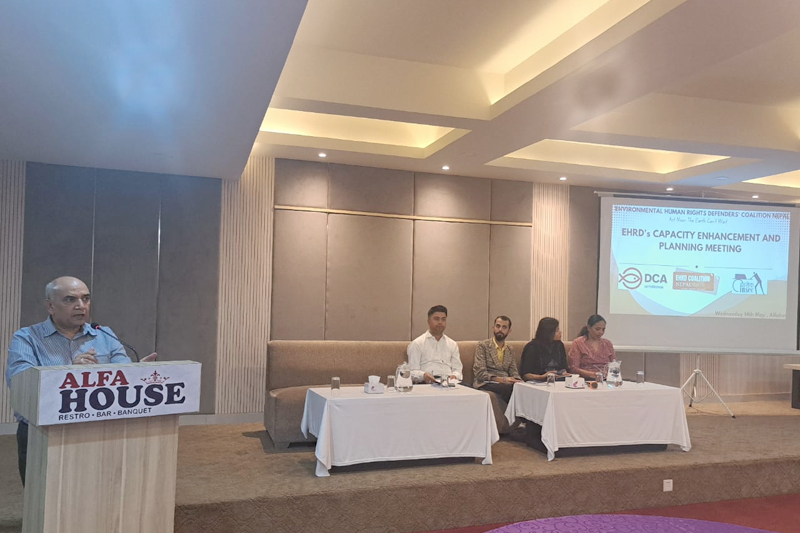
At the program, INSEC’s Executive Director, Bijayraj Gautam, recalled that INSEC has been focusing on issues related to the environment and human rights. He mentioned that INSEC had published articles on environmental issues in the Nepal Human Rights Yearbook 2025. He hoped the meeting would make a meaningful effort towards collective action by forming a network among individuals working on environmental issues, developing an action plan, and gathering suggestions and advice to create a concrete strategy.
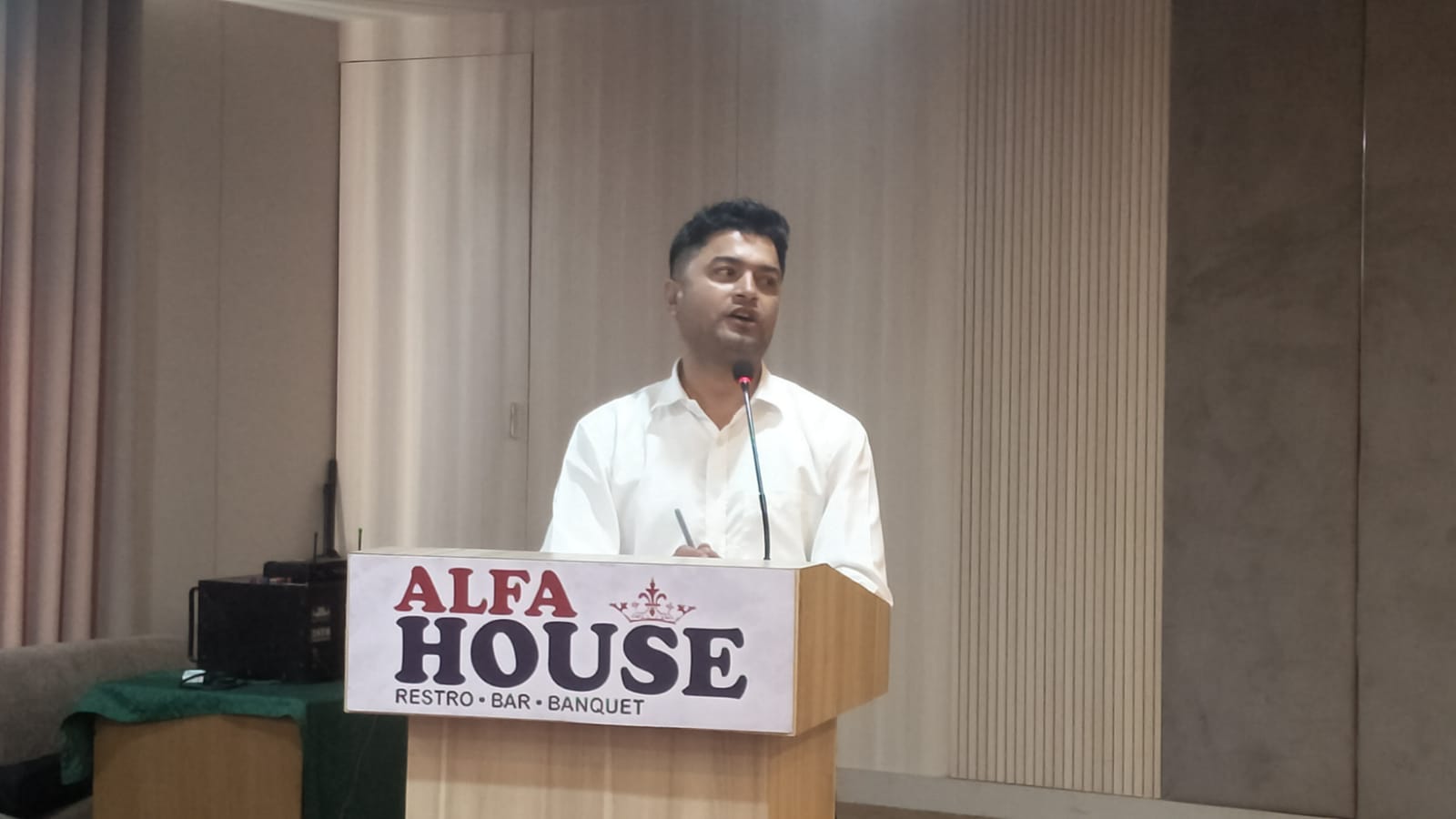
Executive Director Gautam stated that the active participation and suggestions of the participants would be important in addressing environmental issues prioritized by DCA. He emphasized the need for advocacy based on study, research, and data regarding the impacts of climate change and ecological degradation.
Human rights defender Shriram Bajagai stated that due to the influence of international politics and the dynamics of climate change, there is a need for state accountability and the active involvement of all citizens in environmental protection. He highlighted the need to advocate for human rights and justice concerning environmental protection and climate change, while also emphasizing the importance of encouraging the younger generation to adopt environmentally friendly practices. He noted the interdependent relationship between a balanced environment and human rights. He mentioned that Nepal ranks fourth in the world in terms of climate change risk and emphasized the need to document studies and research related to climate change and environmental impacts. He stressed the importance of raising awareness and fostering collaboration not only with the media but also with industries, workers, and the broader citizen community.
According to estimates by the World Health Organization, around 80 lakh people die each year globally due to air pollution. DCA Program Manager Suryakumari Sunar highlighted the need to link the challenges of climate change and environmental protection with human rights. She noted that INSEC has engaged research-oriented youth at the community level on environmental issues. She highlighted that farmers and women involved in producing and consuming chemical-free food are also environmental defenders. She emphasized the need to study and work on climate and environmental justice in Nepal by integrating the Constitution, laws, businesses, and human rights. Sunar discussed that the state must ensure an adequate supply of safe and clean water and sanitation. She also mentioned the international commitments to protect citizens’ health from radiation and hazardous chemicals that pose risks.
According to World Health Organization data, 42 lakh people worldwide die each year due to air pollution. Similarly, in Nepal, around 35,000 people lose their lives annually because of air pollution.
During the winter season, Nepal’s air quality index (2.5 PM) has been recorded to be 15 times worse than the standard set by the World Health Organization. According to the data, one in every 10 Nepalis suffers from health problems caused by air pollution, highlighting the urgent need for awareness about climate change and its impacts.

Binita Nepali, a faculty member of the Central Department of International Relations and Diplomacy at Tribhuvan University, highlighted that climate change is not only an environmental issue but also an economic, social, and political issue. She emphasized that the Nepal government should present a policy paper based on facts regarding rapid-onset disasters related to climate change and justice.
She pointed out the need for collective efforts to ensure climate justice for every individual in local communities. Referring to her observation of earthquake survivors in Bajhang, she noted that out of 122 affected individuals, only 22 were selected for support, and among them, just 8 managed to carry out reconstruction highlighting the gap in delivering justice at the grassroots level.
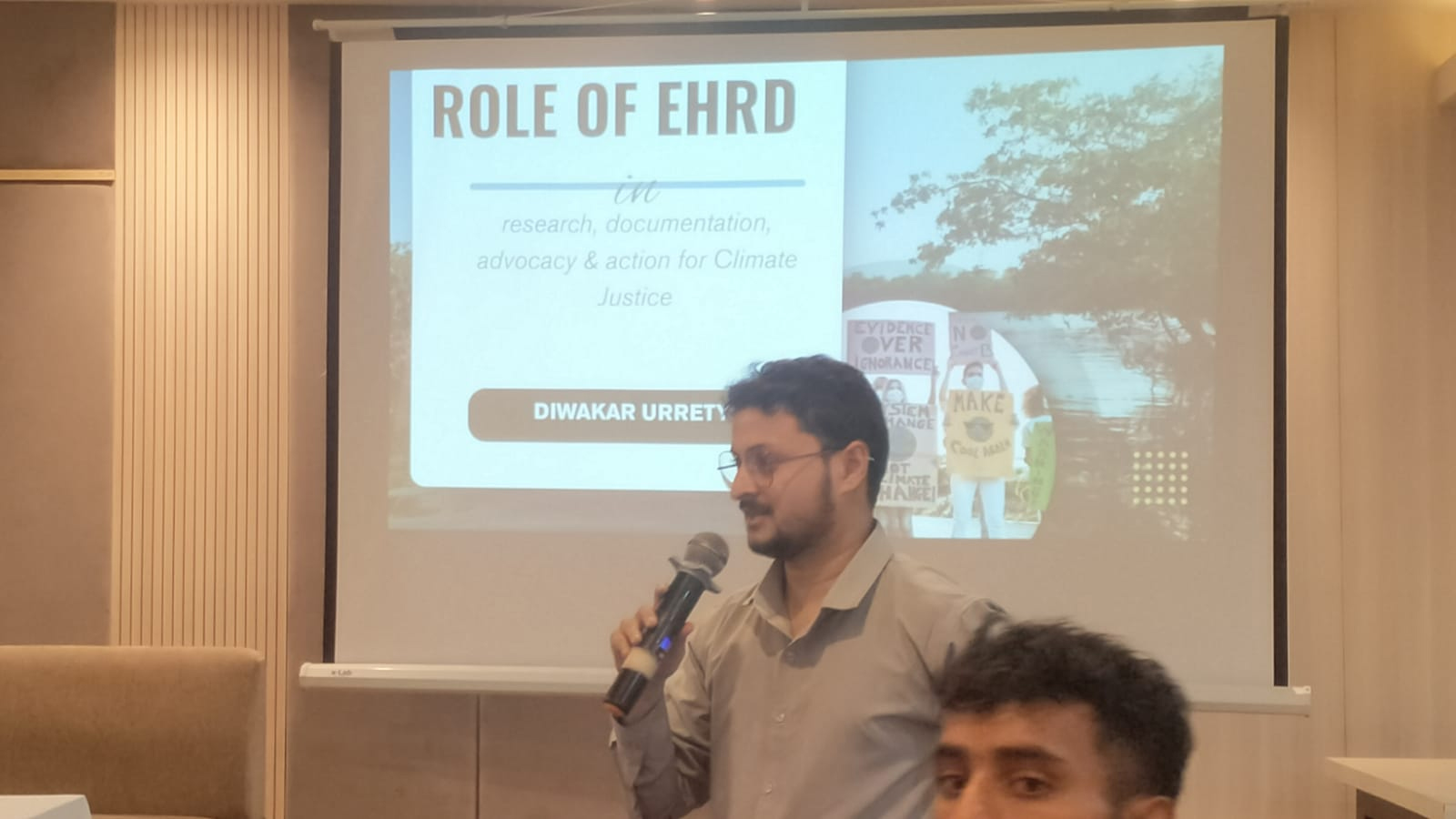
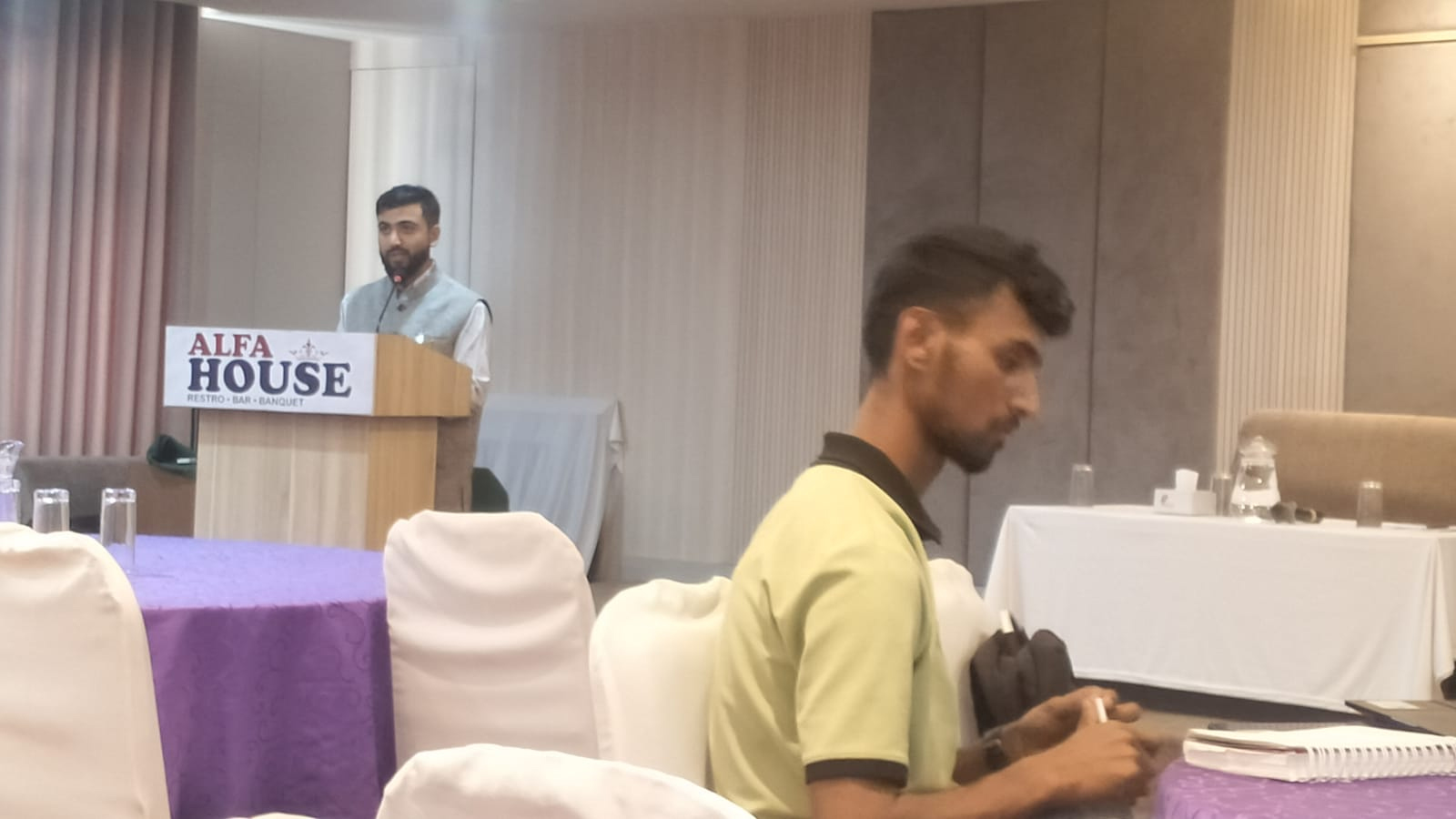
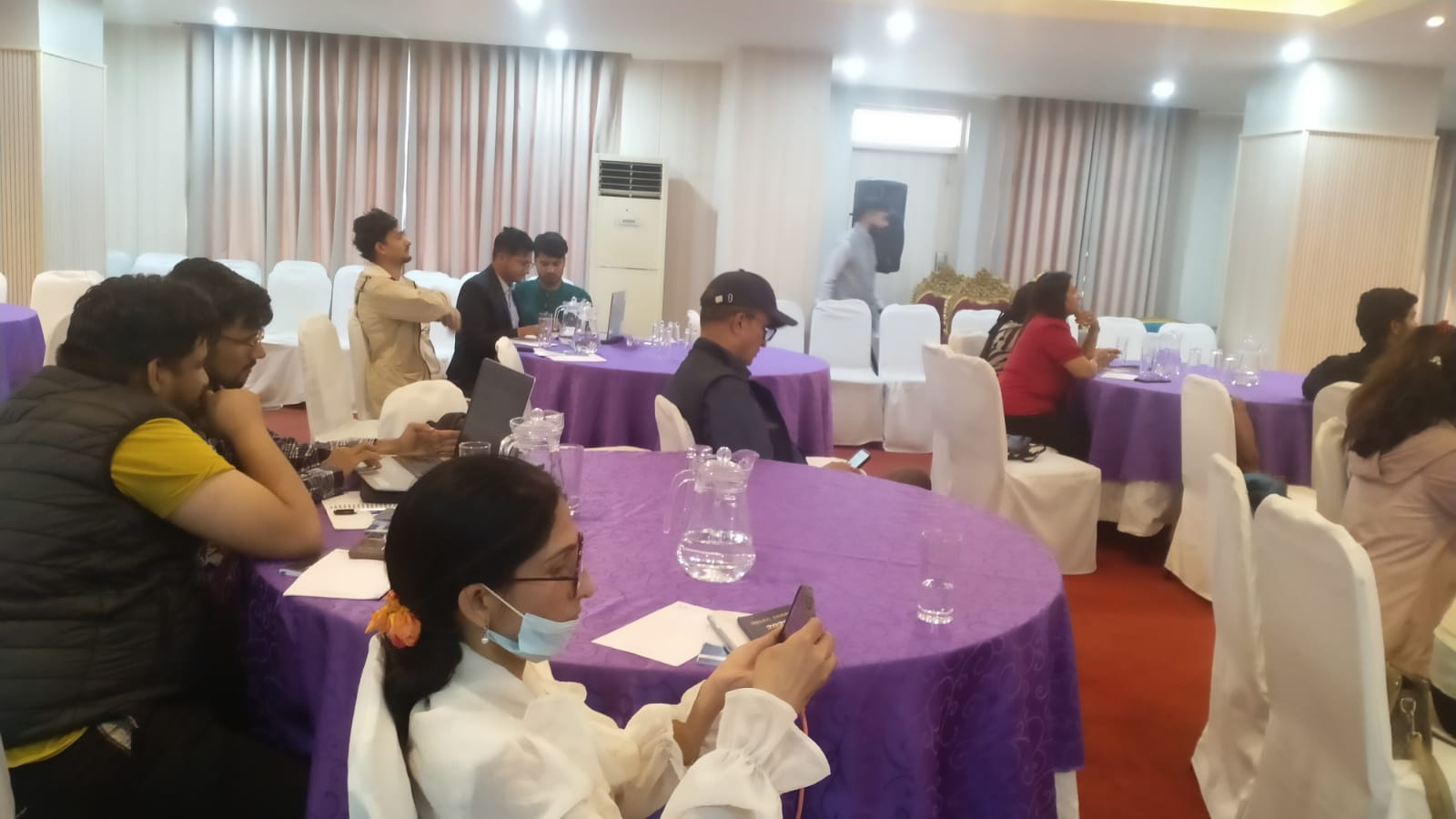
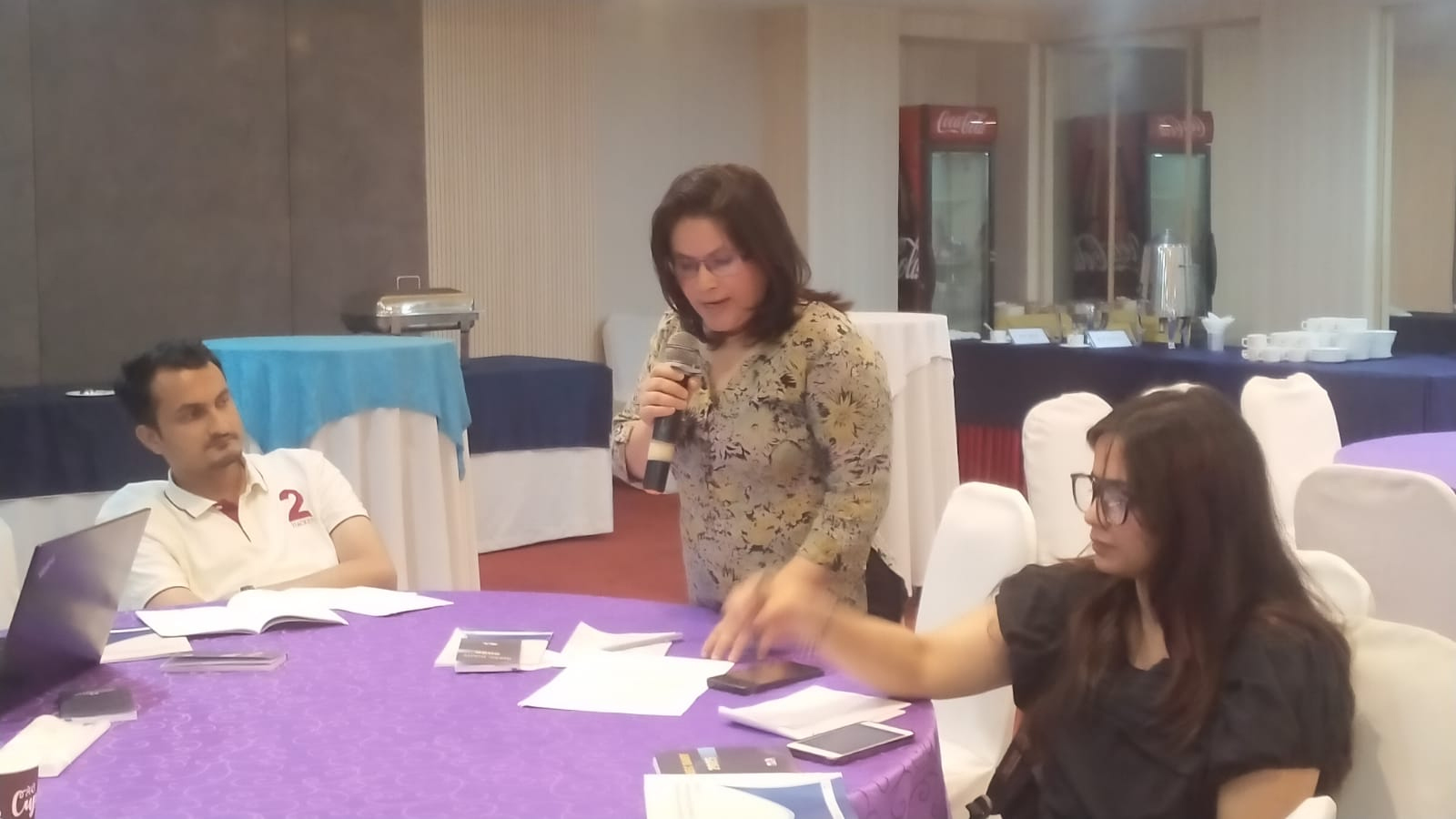
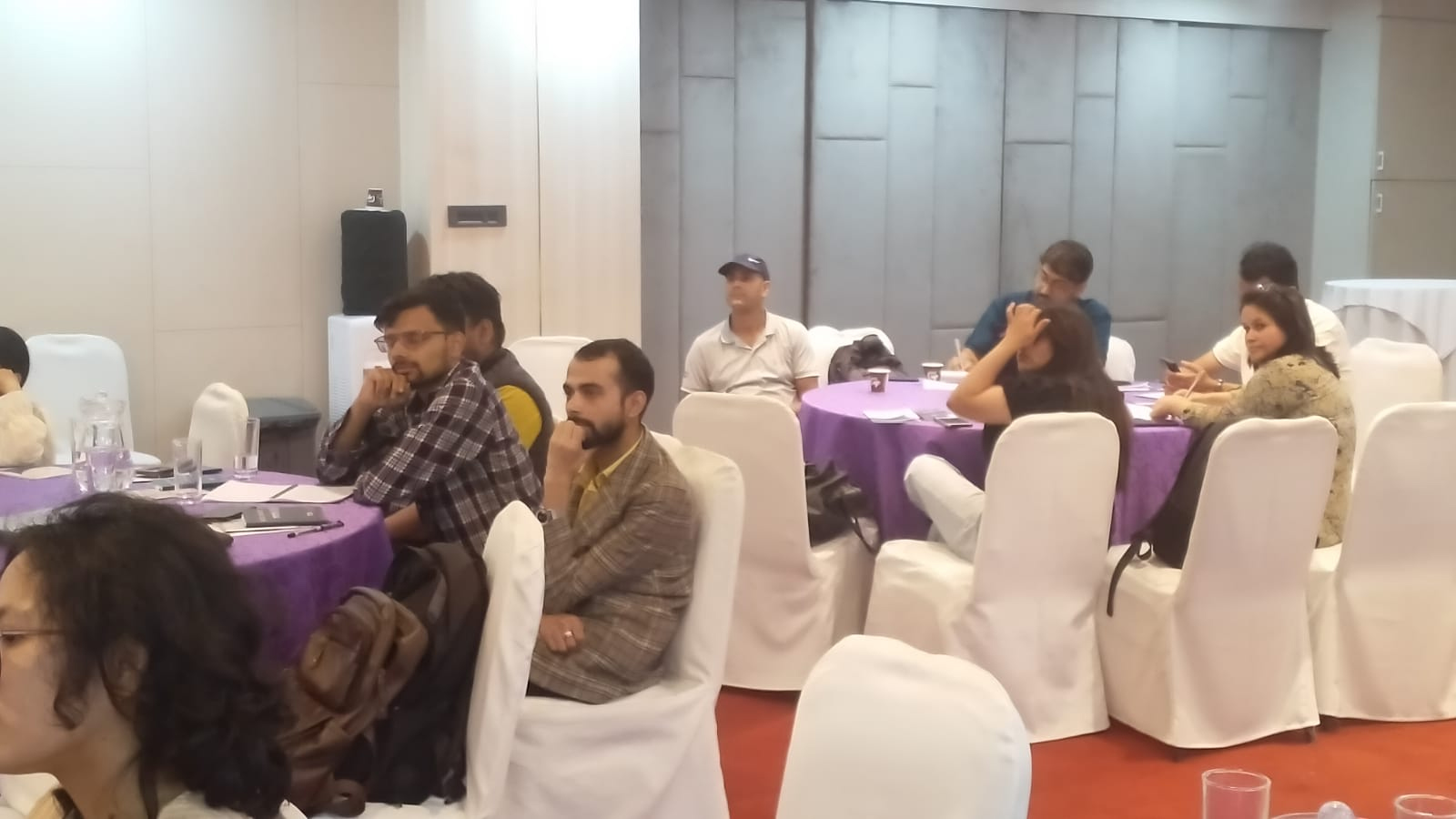
Diwakar Uprety, Founder of Kayapalt emphasized the need for discussions among concerned stakeholders, citing incidents such as last year’s avalanche in Thame and the continuous rainfall in the last July in Roshi, Kavre. He stated that such events are impacts of climate change and require collective attention.
He highlighted the need for research, advocacy, and documentation on climate change, stating that everyone should be informed about the legal provision in Nepal regarding the required distance between industrial operations and human settlements. Upreti pointed out that although the law mandates environmental assessment or environmental impact evaluation when registering a new industry or when making changes such as capital increase, capacity expansion, addition or change of objectives, or relocation, its proper implementation remains lacking. He emphasized the need for environmental human rights defenders to move forward with a shared understanding regarding the implementation of laws that ensure climate change and environmental protection.
Providing information on climate change and its impacts, climate researcher Goma Sigdel stated that her research in Madhesh Province and Bagmati Province found that all three levels of government must be made accountable with a clear division of responsibilities regarding who should do what in response to climate change and environmental impact.
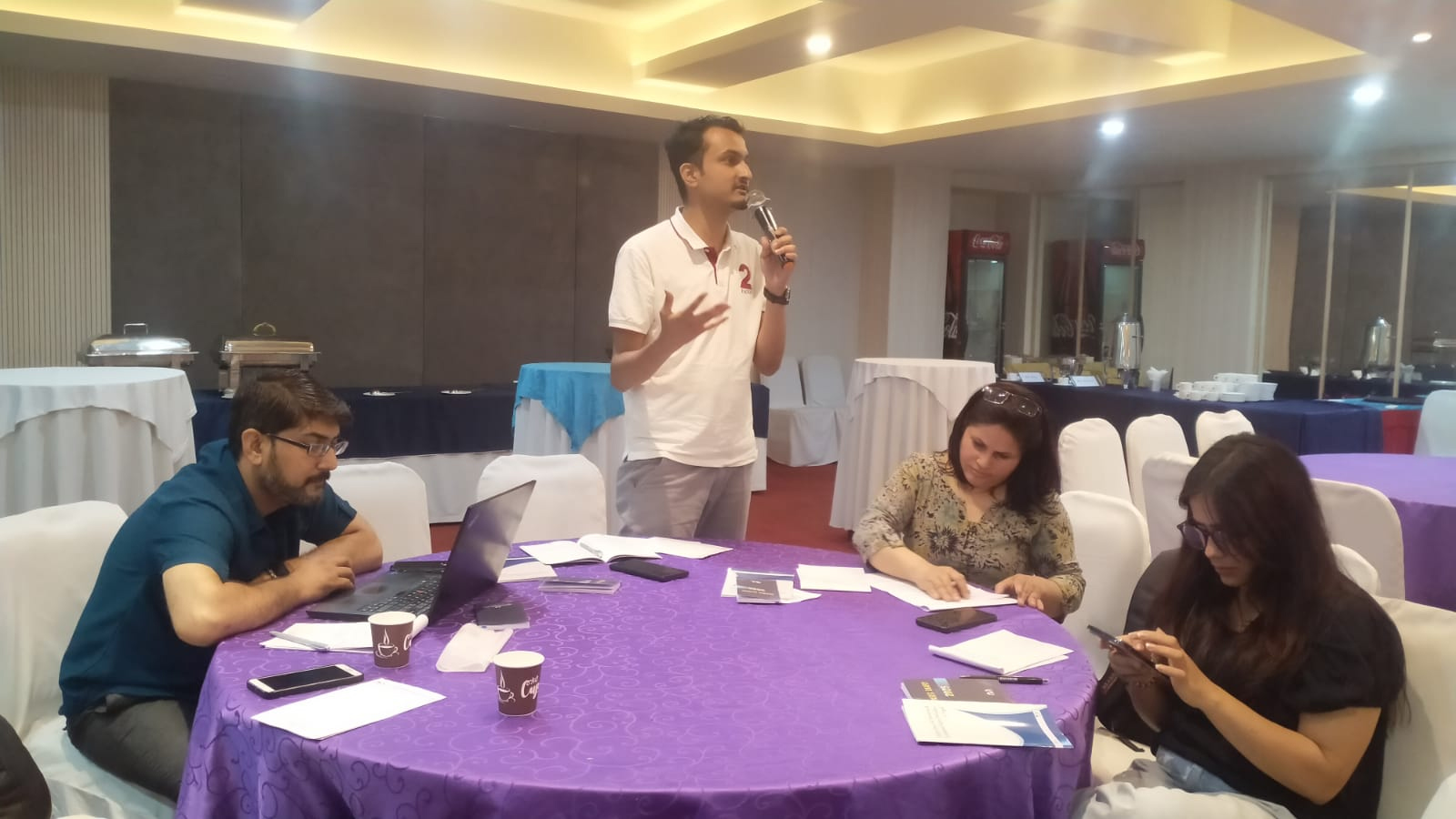
Sanjay Panthi from the Youth Advocacy Forum stated that there is a need to work by maintaining a climate diary to document climate change and its environmental impacts.
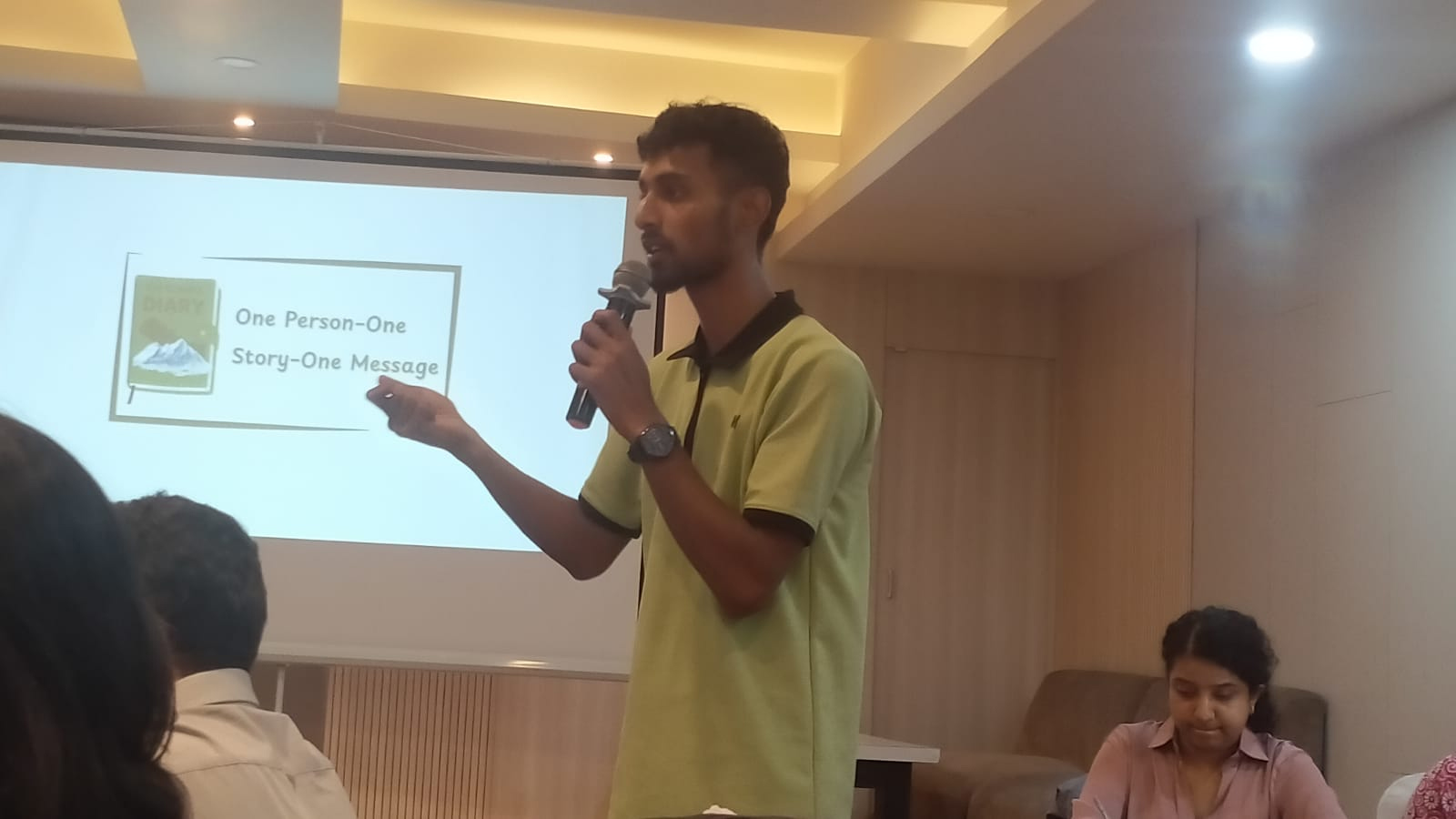
HRD member Diwas Saraf emphasized the need for proper plastic waste management by local governments. He stated that efforts are being made to encourage individual participation under the theme “One Person, One Story, One Message”.

Megha Maskey, a member of Harin Nepal, stated that Nepal, as a State Party to the International Covenant on Economic, Social and Cultural Rights, 1966, holds the responsibility to ensure environmental rights under Article 11(2)(a) and Article 12(2)(b) and (c).
She highlighted that instead of addressing the concerns raised by the local Limbu community regarding the Pathibhara area, the state proceeded with forced construction, raising questions about whom the community could trust. Referring to the incident where Dilip Mahato lost his life in Dhanusha while speaking out on environmental issues, she emphasized the need for collaboration among all communities and citizens in environmental protection.
Youth activist Kabiraj Paudel emphasized the need to protect the rights of environmental human rights defenders. He highlighted the environmental impact of plastic use in Nepal and stressed that local governments should develop timely plans to address this. He also underscored that introducing the practice of planting trees when enrolling children in school could have a positive impact on raising children’s awareness about the importance of plants and trees in the environment.
Dipak Prasad Ghimire