
Locals have expressed concern that the budget announced by the Karnali Provincial Government on June 15 did not include provisions for freed Haliyas. Parbat Sunar, Central Vice Chairperson of the Rashtriya Mukta Haliya Samaj Federation-Nepal, stated that the Rs. 32,99,66,55,000 budget brought by the province has failed to address the needs of freed Haliyas. She mentioned that there are 812 freed Haliyas in Surkhet, 1,470 in Humla, and 402 in Jajarkot. The newly announced provincial budget has discriminated against the freed Haliya community. The budget includes livelihood and income-generating programs for marginalized communities; however, there is no program specifically designed for freed Haliyas. He expressed frustration that the freed Haliya was not even mentioned once in the budget.
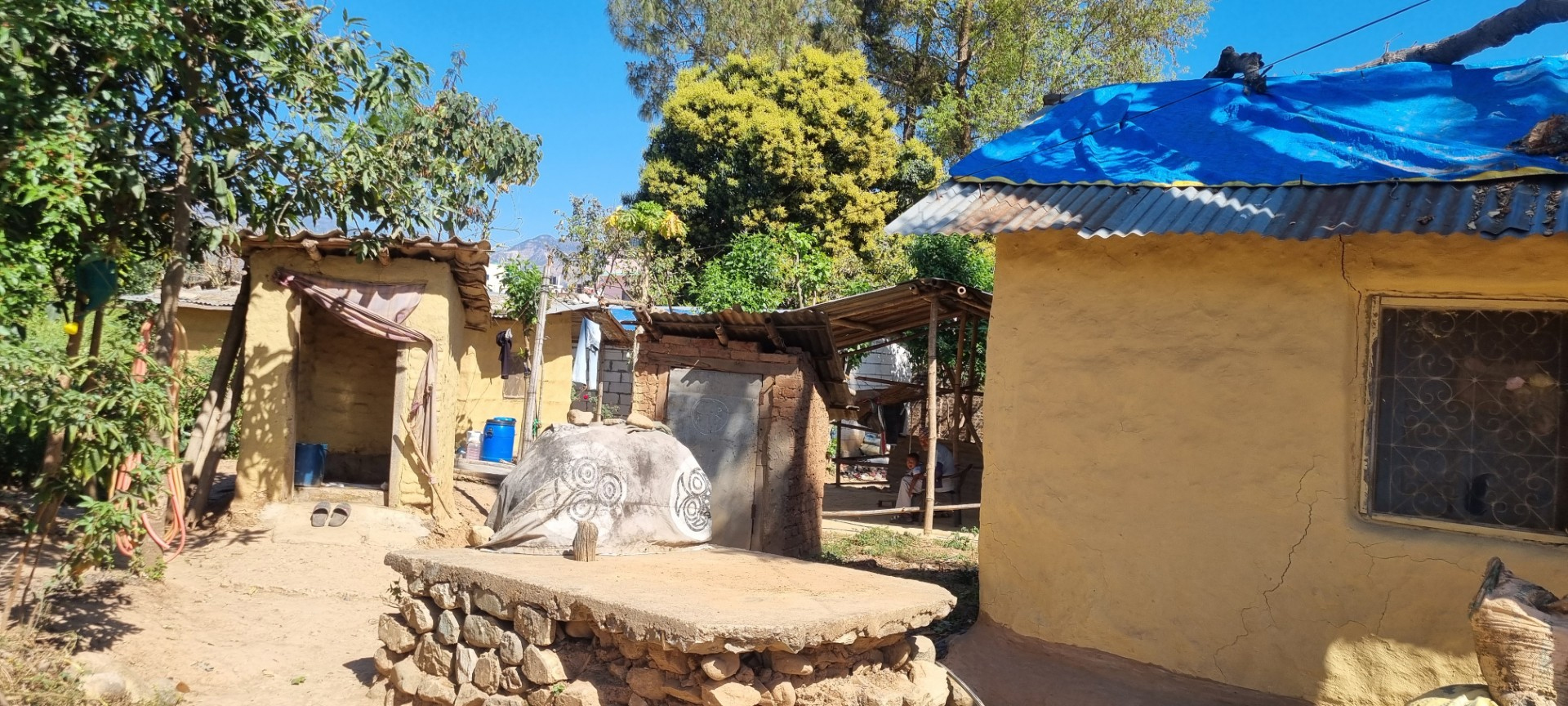
Yamraj Malla, Chairperson of the District Haliya Mukta Samaj, Surkhet, stated that repeated neglect by the provincial government each year has caused problems in the rehabilitation and livelihood of freed Haliyas. He added that they have continuously raised their demands, including rehabilitation, with the government, but they have not been addressed. It will soon be 17 years since the declaration of the liberation of Haliya which was done on September 6, 2008. Although the government of Nepal officially declared the liberation of Haliyas on that date, their proper rehabilitation has yet to be ensured, forcing them to live difficult lives even after nearly two decades.
Dammar Nepali, Chairperson of the District Haliya Mukta Samaj in Jajarkot, expressed his concerns, saying that the lack of proper rehabilitation has continued to cause hardship for Haliyas. All three tiers of government have remained indifferent to the problems of the Haliyas. The policies and programs formulated by the government every year fail to address the concerns of freed Haliyas. The provincial government has not even collected proper data on freed Haliyas. Data has only been gathered in three districts with the support of various organizations. Chairperson Nepali stated that although the government had promised to prioritize freed Haliyas in this year’s policies, programs, and budget, it has backed away from that commitment. Despite Agriculture Minister Binod Shah’s pledge to address the problems of freed Haliyas by linking them to various skill-based programs, no such initiatives have been implemented. It is necessary to implement the recommendations made by the study committee on the situation of freed Haliyas and Haruwa–Charuwa. The land currently occupied by freed Haliyas should be surveyed, and land ownership certificates should be issued. There should also be a policy allowing them to use the land they received as collateral to access loans from banks. Furthermore, the government’s indifference toward solving the problems of freed Haliyas has left their situation unchanged. They have been demanding that a specific policy be introduced and a study be conducted in all ten districts to address the issues faced by freed Haliyas.
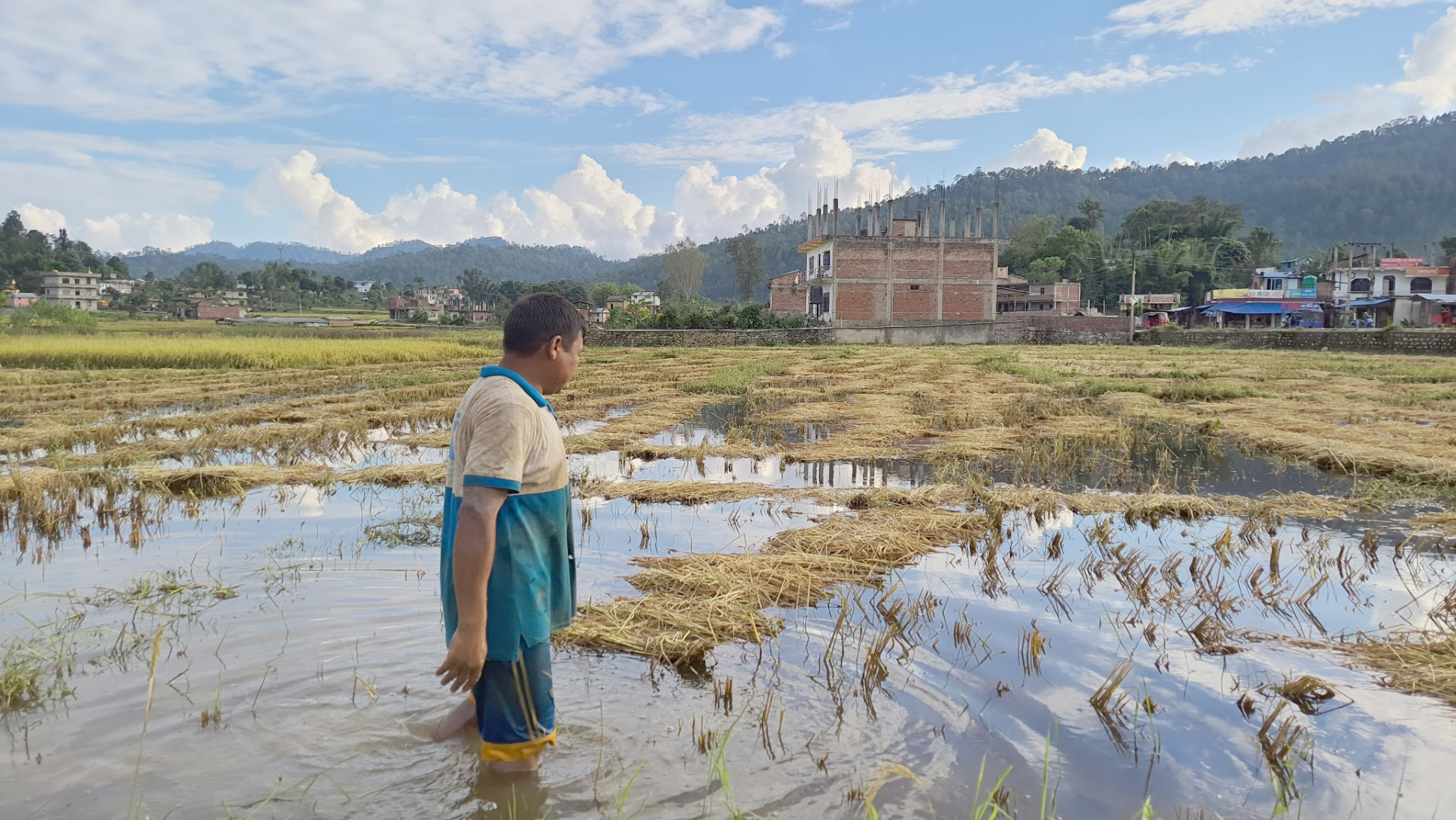
Birendranagar Municipality–9 resident and freed Haliya, Hari Chaudhary, stated that many freed Haliyas continue to face difficulties due to the lack of identification cards that were distributed following the government’s 2008 declaration of liberation. The absence of the certification has deprived them of employment opportunities and access to government services. He further mentioned that the government’s declaration of liberation has, in effect, left freed Haliyas more helpless.
An international organization recently released a study report highlighting that thousands of freed Haliya families in Karnali Province continue to live in poverty, discrimination, and lack of basic services. Although the formal abolition of the Haliya system took place in 2008 and rehabilitation programs began in 2013, the report points out that many Haliya families are still deprived of fundamental living facilities. The ILO’s new report titled “Analysis of the Situation of Freed Haliyas in Karnali Province, Nepal highlighted the social, economic, and political realities faced by Haliya families in Surkhet, Jajarkot, and Humla. The report stated that although some Haliya families have received government assistance, secure housing, education, development, health services, and social security their encouragement and upliftment remain insufficient. It recommended improvements in rehabilitation packages, expansion of access to vocational training and social security, policy initiatives to address gender and ethnic discrimination, and strengthening of monitoring systems. The report emphasized the need to adopt a rights-based approach to rehabilitation, highlighting that in addition to land and housing, access to education, healthcare, sustainable programs, and political representation must also be ensured.