
INSEC Online

Human Rights Activists Monitor Kapilbastu Jail

A joint team from the Informal Sector Service Centre (INSEC), Kapilbastu, and Mahuri Home inspected the District Jail Kapilbastu on May 20.

The monitoring team, which included INSEC Kapilbastu representative Reema BC and Mahuri Home Chairperson Ramdayal Thakur, observed the condition of inmates, available services and facilities, as well as the living conditions of security personnel in the jail.

During the inspection, it was found that although the jail has a capacity of 352 inmates, it is currently housing 391 inmates. According to the jail administration, among the current inmates, 286 are convicts, and 105 are under trial. Of them, there are 18 female convicts and 25 female detainees, totaling 43 female inmates.

The jail houses inmates aged between 18 and 83 years. The administration reported that among the inmates, 122 are held in narcotics-related cases, 95 in rape cases, 63 in killing cases, 39 in vehicular killing cases, 26 in theft cases, 9 in robbery-theft cases, 8 in attempted killing cases, and 5 in polygamy cases, among others.
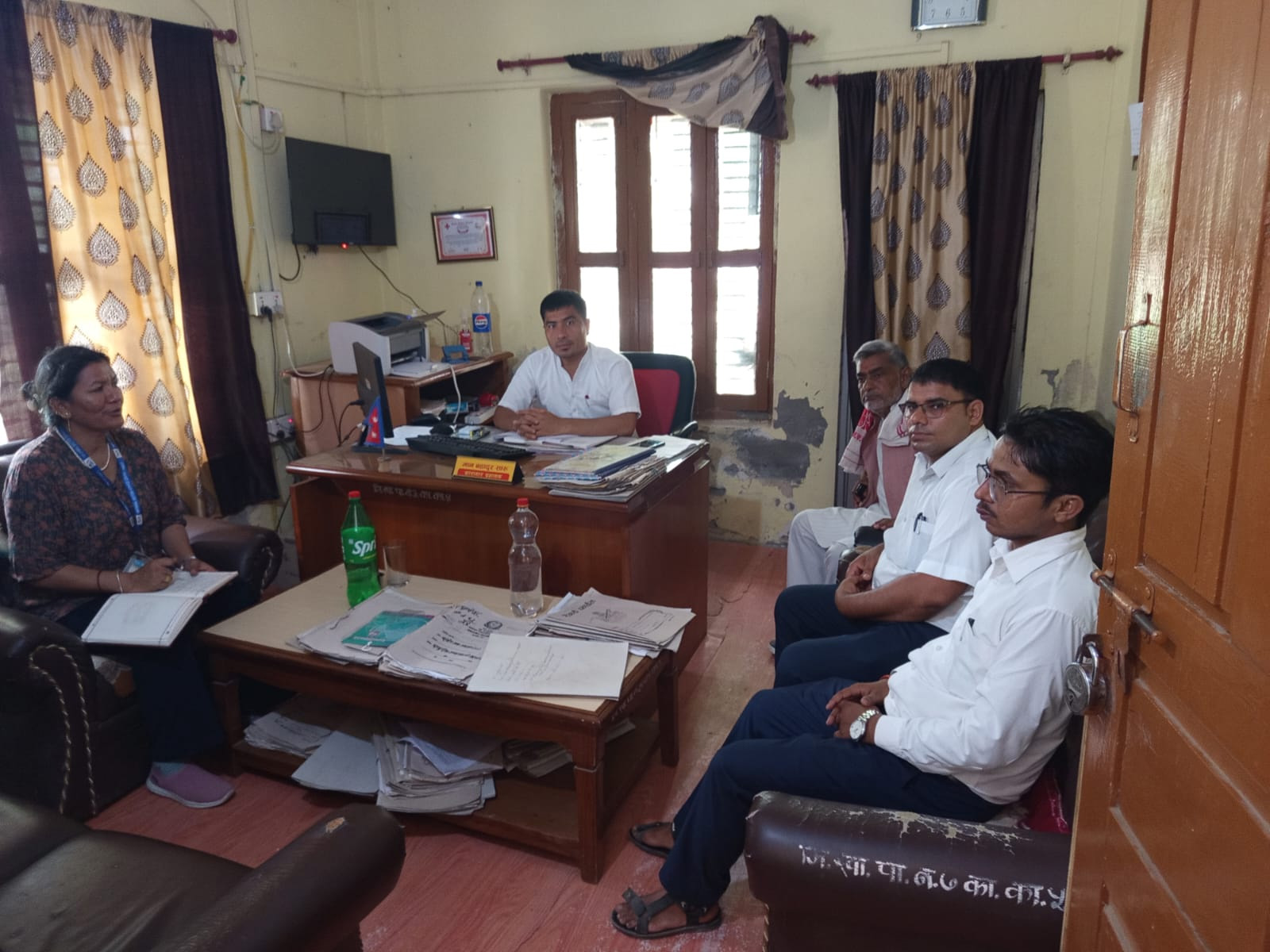
Overcrowding in the jail has been found to be increasing various health problems. There are 37 inmates with skin-related issues, 5 regularly taking medication for mental illness, 1 with tuberculosis, 10 with ear-nose-throat (ENT) problems, 24 with dental issues, 4 cancer patients, 2 with uric acid problems, 18 with high blood pressure, 41 with bone and joint problems, and 27 with eye-related problems.

Inmates have complained that due to overcrowding, they have to wait in turns even to sleep, bathe, and use toilets. They said that the overcrowding has increased the spread of skin diseases and that most of them are forced to seek treatment at their own expense, as the government has not shown sufficient sensitivity toward their basic right to health.

The Chief of the District Jail Kapilbastu, Man Bahadur Saru, said that the jail, established in 1995, has a weak physical infrastructure. According to him, the lack of clean drinking water, a vacant assistant computer operator post affecting the Jail Management Information System, and an insufficient number of security personnel have created difficulties in taking detainees to court or hospitals.

He further stated that, despite limited resources, the administration is trying to improve jail management, but overcrowding remains unavoidable.

An inmate representative said that using water from hand pumps has increased the risk of various diseases and demanded the provision of clean drinking water.

Inmates also said they receive government-provided facilities such as 700 grams of rice per person per day and a daily allowance of Rs. 80 on time. They added that they have access to visitation with relatives, information about their cases, and the right to choose their own legal counsel.

Information Officer Reshamlal Bhusal stated that while sanitation and health care are being given attention, the lack of clean drinking water continues to cause problems. He also informed that the government provides inmates with two sets of clothes per year, bedding materials once every two years, Rs. 300 as Dashain allowance, and funds for mats every three years.

Inmates are also engaged in various skill-based activities for livelihood. Currently, 36 are involved in making wooden stools, 32 in carpet weaving, 21 in doll making, 20 in sculpture carving, 6 in tailoring, and 3 in furniture work, totaling 118 inmates engaged in vocational work.

It was also found that although there are school-age inmates in the jail, there is no teacher available. The jail has one health worker who conducts regular health check-ups, according to the monitoring team.

Based on educational background, the inmates include 3 with master’s degrees, 23 graduates, 24 SLC graduates, 59 studying in grade 10, 71 who have completed grade 8, 47 who have studied up to grade 5, 95 literate inmates, and 49 illiterate inmates.

During the monitoring, it was also observed that the walls of the inmate residential buildings are in a dilapidated condition.

Related Topic

Video