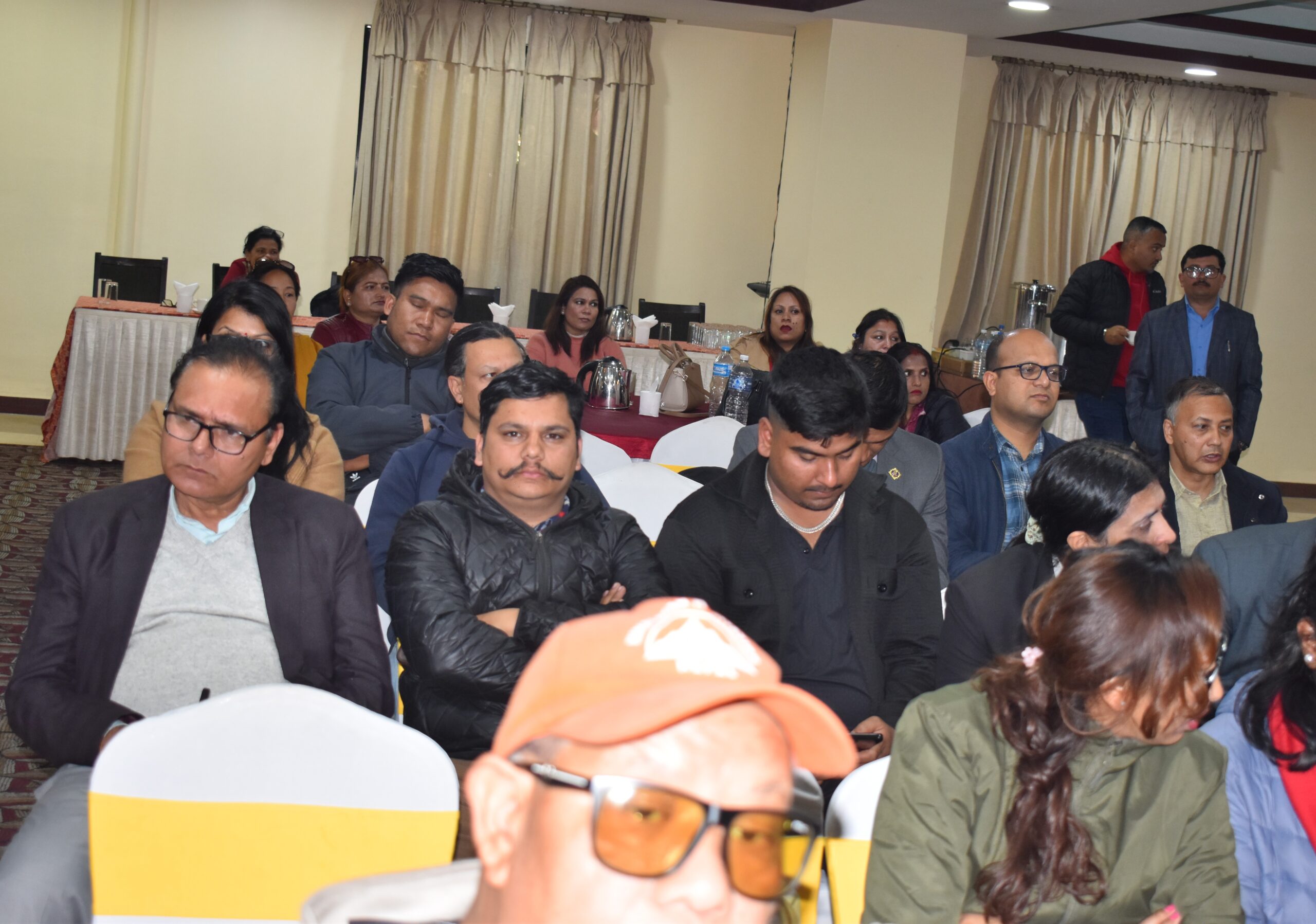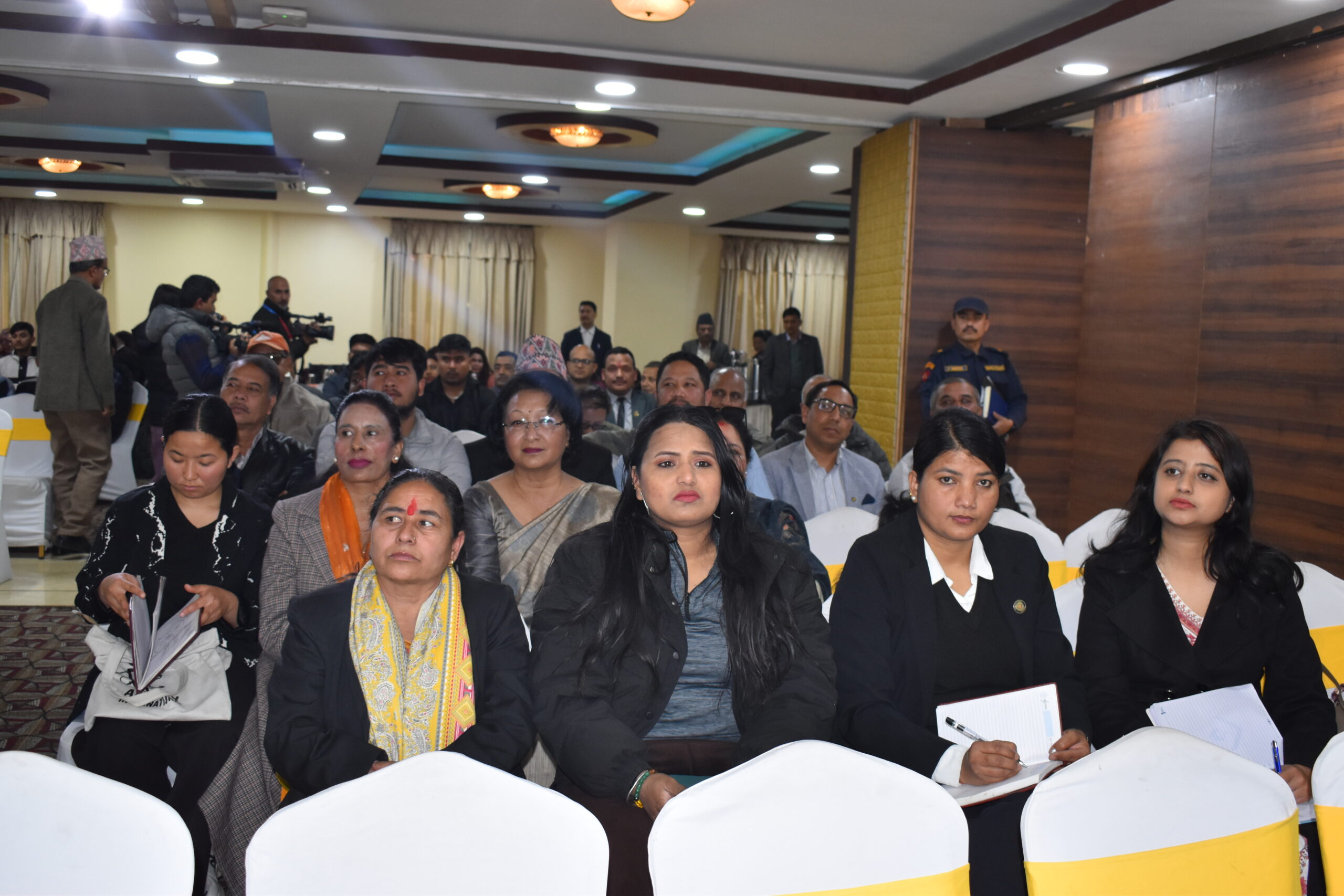

The interaction program on the theme “The Role of Elections and Stakeholders for the Sustainability of Democracy” was organized under the Campaign for Clean Elections on February 25 by the Informal Sector Service Centre (INSEC) and Nepal Human Rights Organization.
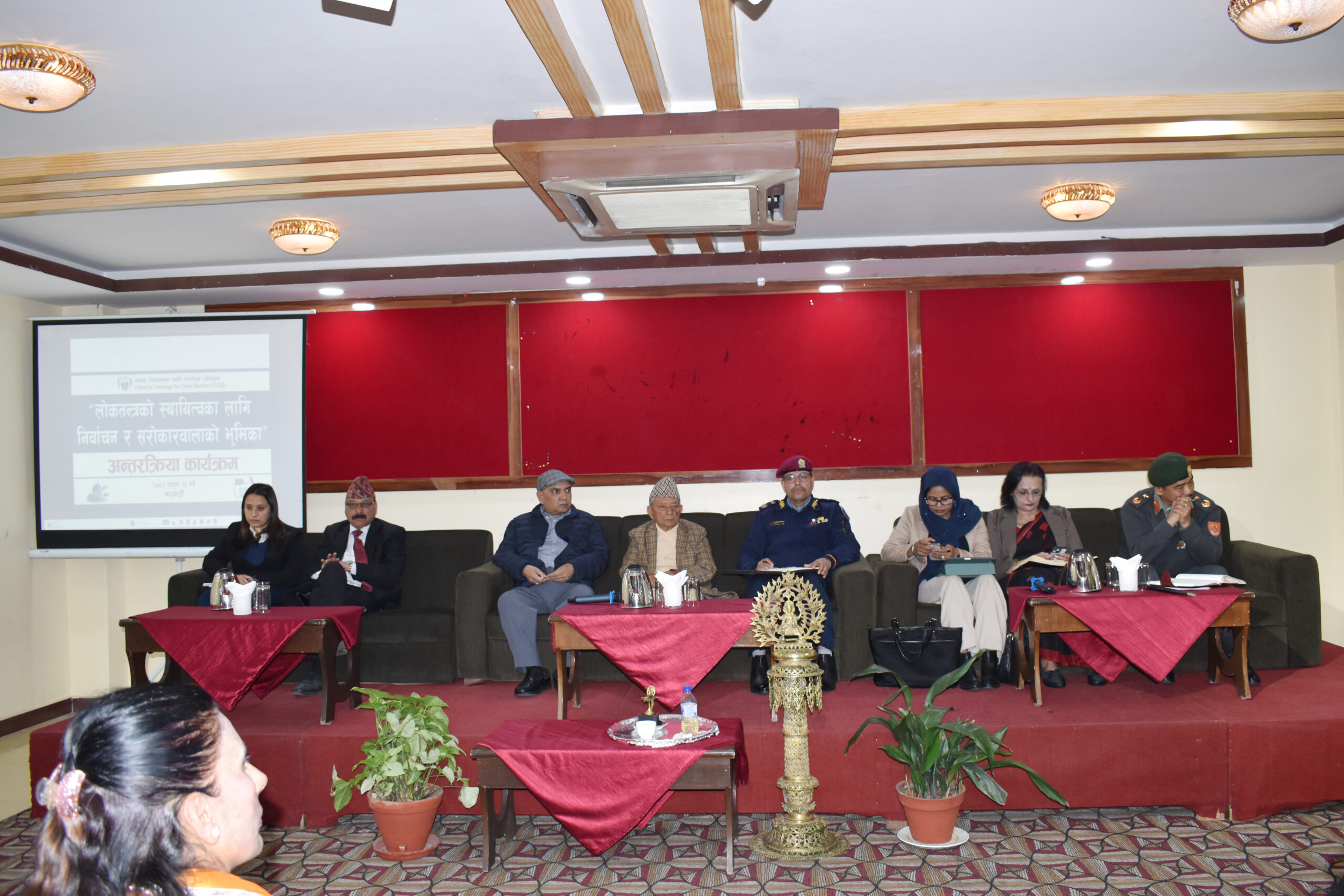 At the program, Chairperson of the National Human Rights Commission, Tap Bahadur Magar, emphasized the need for the Election Commission to curb the spread of misleading content disseminated through social media that could influence the election scheduled for March 5. He also stressed that, for financial transparency, political parties and candidates must demonstrate integrity by maintaining and disclosing their income and expenditures through official bank accounts.
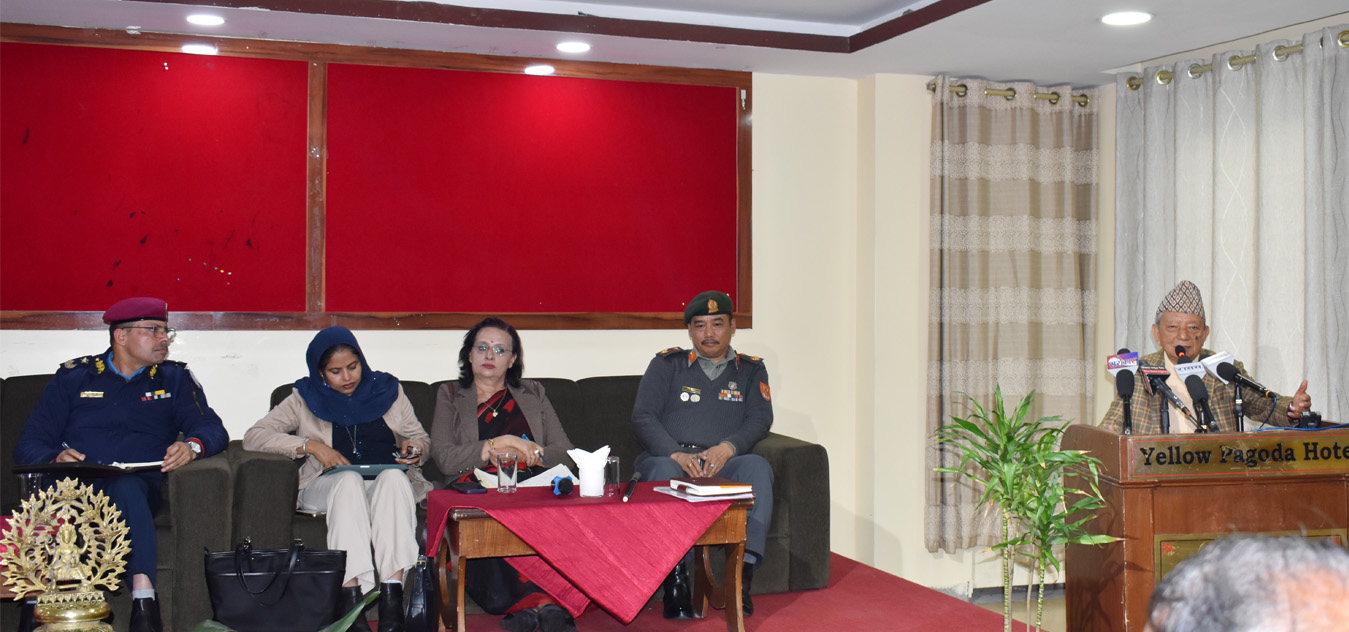
Chairperson Magar recalled that the Commission has been monitoring elections before polling day, on the day of voting, and even after the elections. He stressed that political parties must play an honest role in ensuring a fear-free environment for voting and in creating conditions for the announcement of clean and credible election results.
He further highlighted issues such as the provision of a “No Vote” option, ensuring accessible voting arrangements for persons with disabilities, and refraining from using children in election campaigns. He also drew the government’s attention to the fact that several recommendations made by the Commission, including the guarantee of voting rights for citizens residing abroad, have yet to be implemented.
Similarly, INSEC Chairperson Bijay Raj Gautam recalled that, in previous elections, INSEC conducted election observation and submitted brief reports to the Election Commission on the same day. Referring to instances where more than five percent of votes were invalid in past elections, he emphasized the urgent need for stronger voter education initiatives.
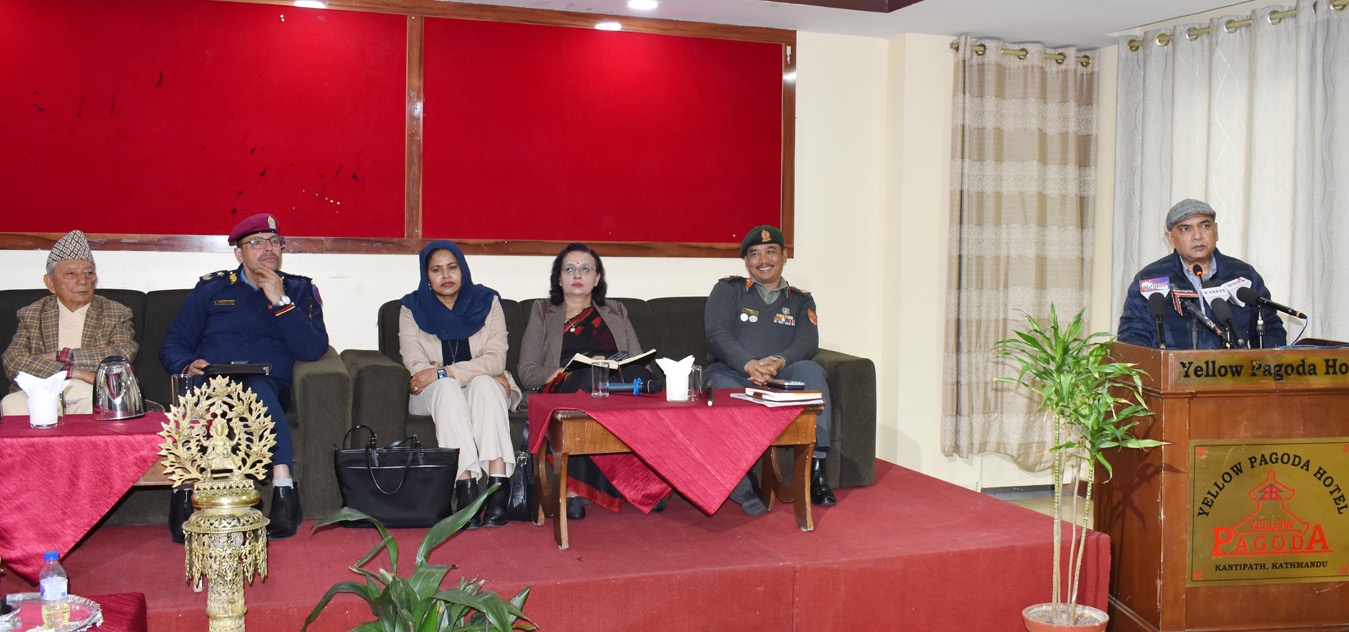
He noted that the enthusiasm shown by voters in this election has been taken seriously, and assured that monitoring will continue until the final results are announced, with factual reports being made public.
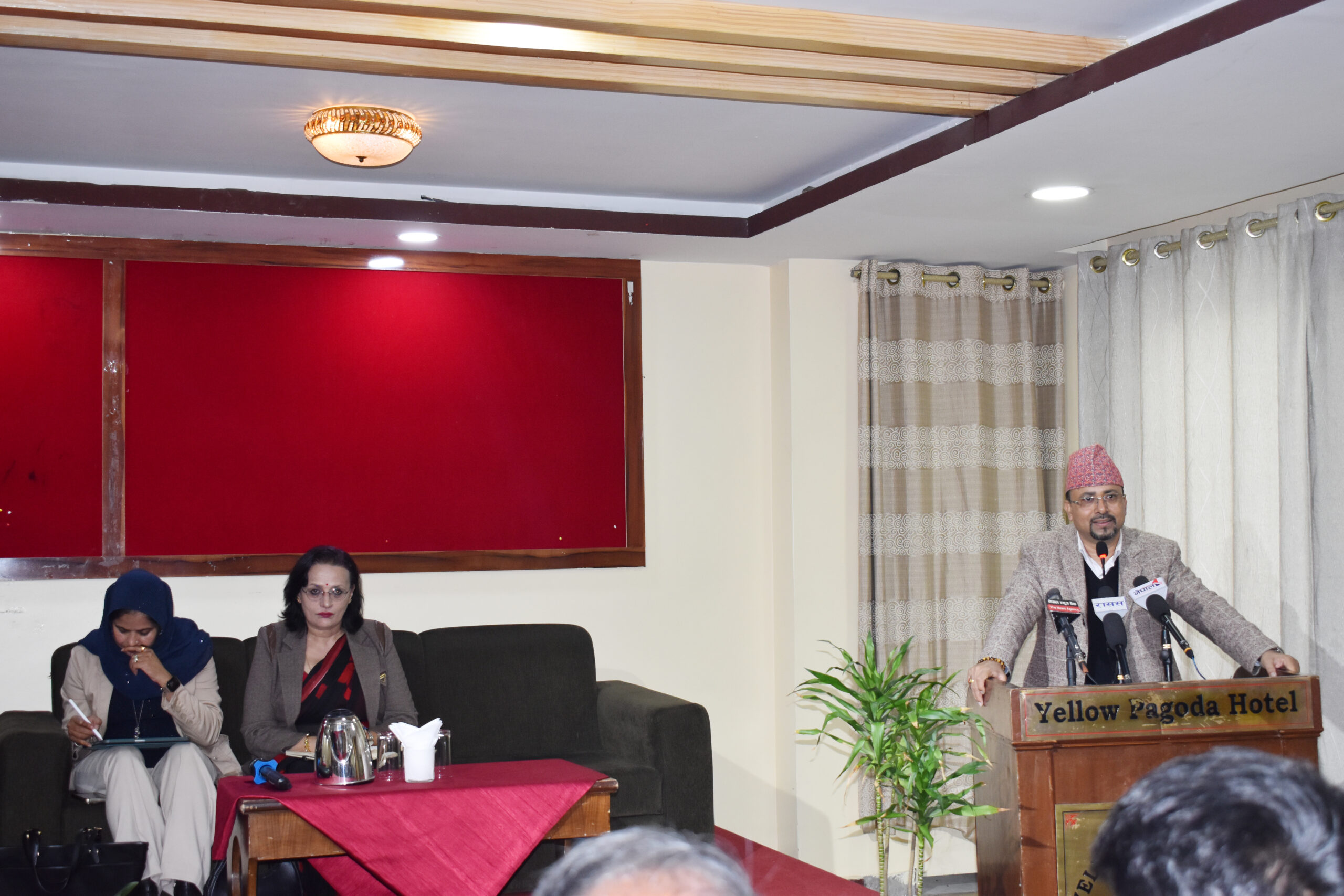
Facilitating the program, Chairperson of the Nepal Human Rights Organization, Indra Prasad Aryal, observed that in Nepali society, voters have traditionally voted according to their family or clan affiliation, regardless of the candidates fielded by parties. He explained that, as a result, there have been instances where citizens resorted to protests whenever state mechanisms failed to meet public expectations.
Deputy Inspector General of Police (DIGP) Dambar Bahadur BK, of the Nepal Police stated that 95 percent of preparations for the election and its security have already been completed. He emphasized that political parties play a crucial role in ensuring an environment free from misinformation and disinformation on social media.
He further expressed that the Nepal Police, from security personnel to voters, maintain high morale to conduct the election in an environment that is free, clean, impartial, transparent, economical, and fear-free. He noted that the Nepalese people expect political stability from the election.
DIG BK also highlighted that the upcoming election in Nepal has attracted global attention. To ensure a successful and secure election, security patrol teams will be present at every polling station, and he called for everyone’s cooperation to maintain a safe and fear-free environment.
Similarly, Armed Police Force AIG Ganesh Thada Magar explained that, as per the government’s decision, the Armed Police will provide secondary perimeter security at polling centers. He informed that various teams have been deployed across all districts since February 17, and standby teams have been arranged to provide additional support for election security.
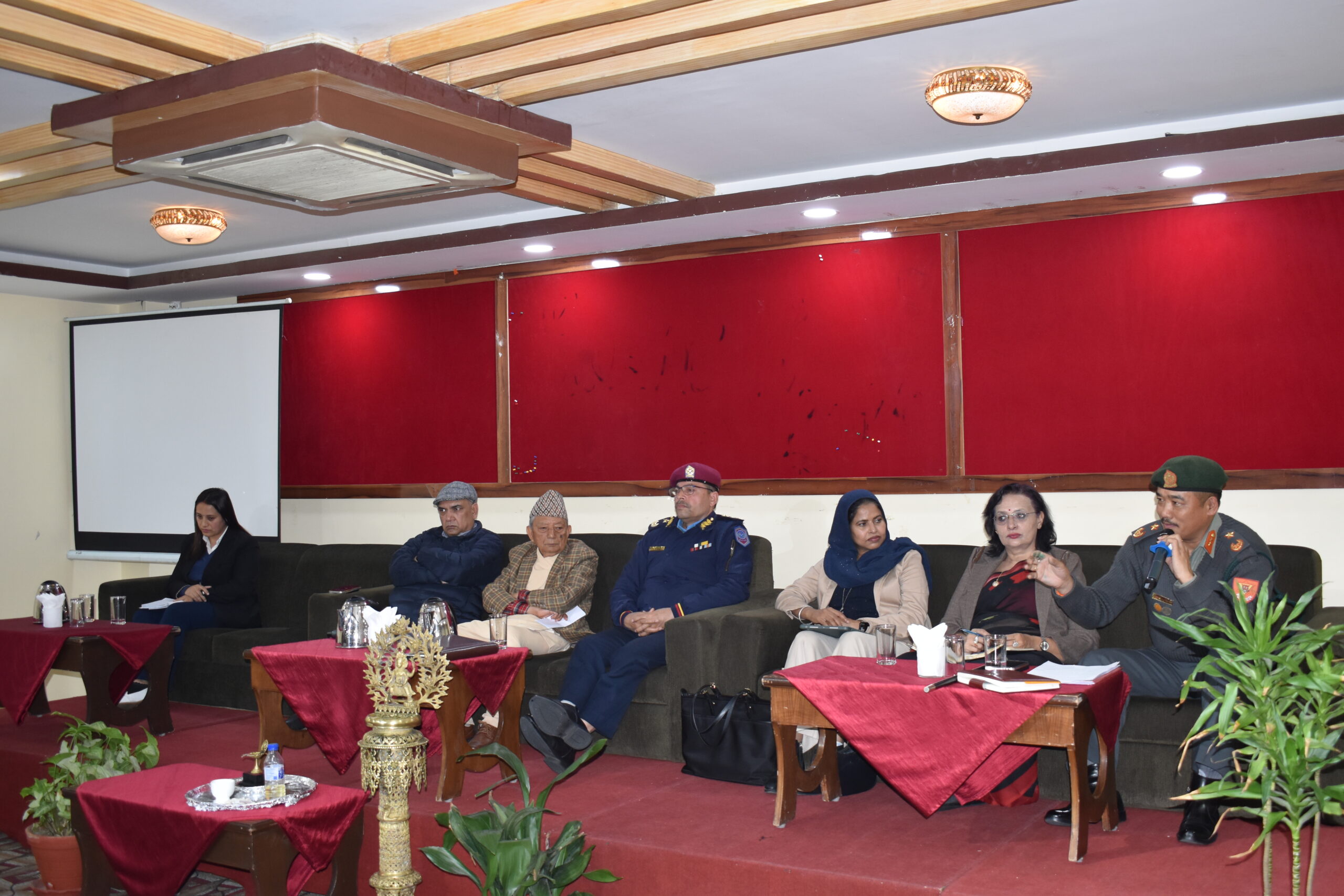 He noted that security means protecting people and property from harm, and therefore everyone bears responsibility for the safety of every citizen. He appealed for cooperation to ensure the election is conducted in an environment that is free, clean, impartial, transparent, economical, and fear-free.
AIG Magar observed that while artificial intelligence is being used to support industries in China, in Nepal there is limited capacity development at the citizen level, leading to a cautious approach toward its adoption.
Election Commission representative Usha Gajmer stated that any defamatory statements targeting female candidates or voters would be prosecuted according to the law. She explained that political parties are registering and nominating candidates to participate in the election while addressing the concerns raised by the Gen-Z movement.
Gajmer also reminded that participating parties and candidates are required to open dedicated bank accounts for transparent election spending. She confirmed that the Commission would announce election results on time and publicly disclose any actions taken against violations of the electoral code of conduct. Additionally, preparations are underway to prevent the dissemination of content on social media that is against the election or contains negative commentary about candidates.
Former Commissioner of the National Human Rights Commission, Mohna Ansari, highlighted that Nepal has entered the era of digitalized democracy. She remarked that this particular election is occurring under special circumstances, resulting in limited opportunities for young people within political parties to demonstrate their capabilities.
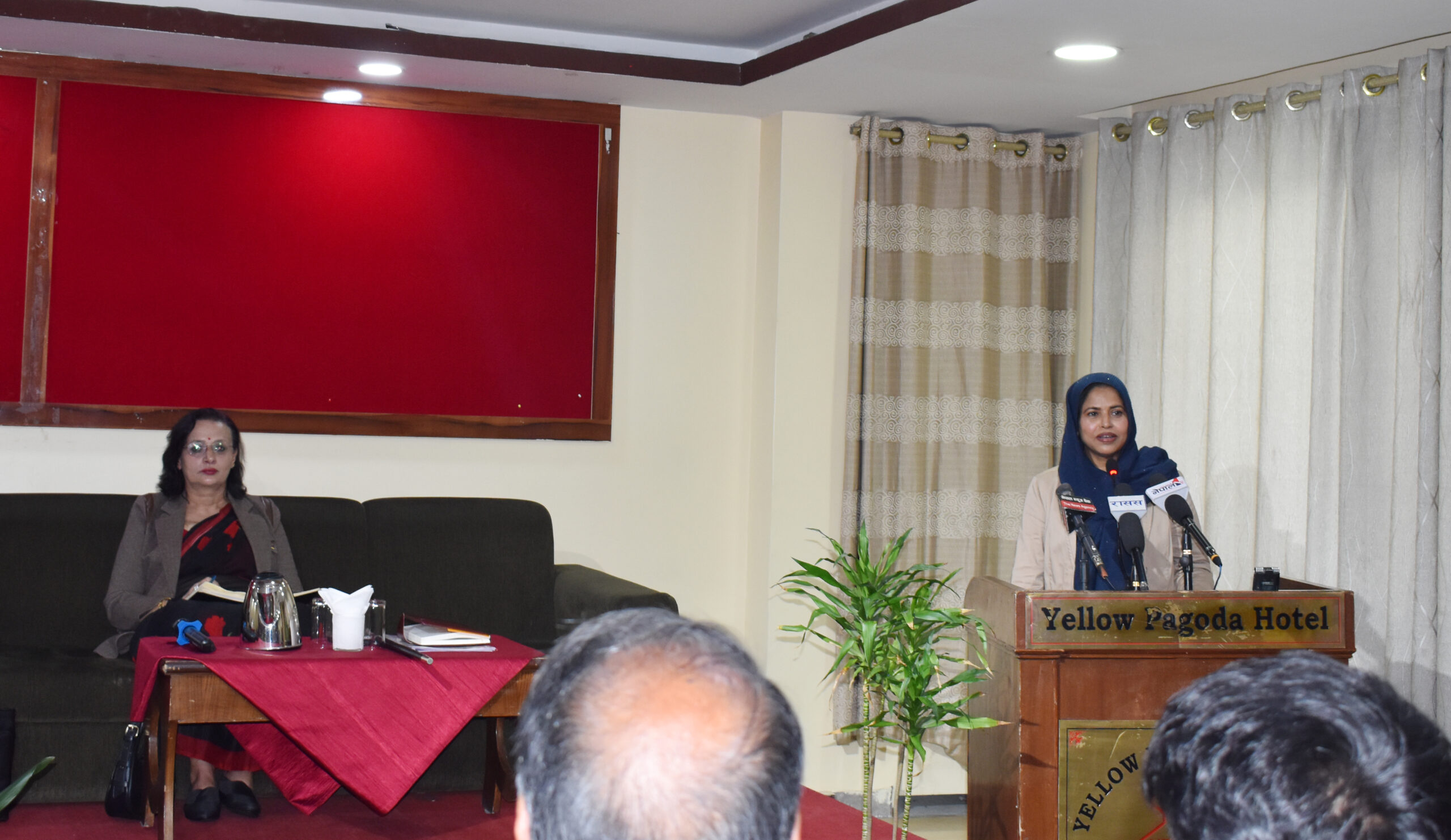
He pointed out that the question of whether technology should be viewed as an opportunity or a challenge has become prominent. Referring to the incident in Bhadra, where debate arose over whether to treat it punitively or regulate social media without banning it, he noted that young people increasingly rely on mobile screens for information. This has heightened the challenge of protecting this election from misinformation on social media. He emphasized the need for content creators to disseminate responsible and accountable material.
Senior Advocate Dinesh Tripathi stressed that the free and fair exercise of the electorate can be undermined if information circulating through digital media spreads unpredictably, thereby impeding the proper expression of public opinion.
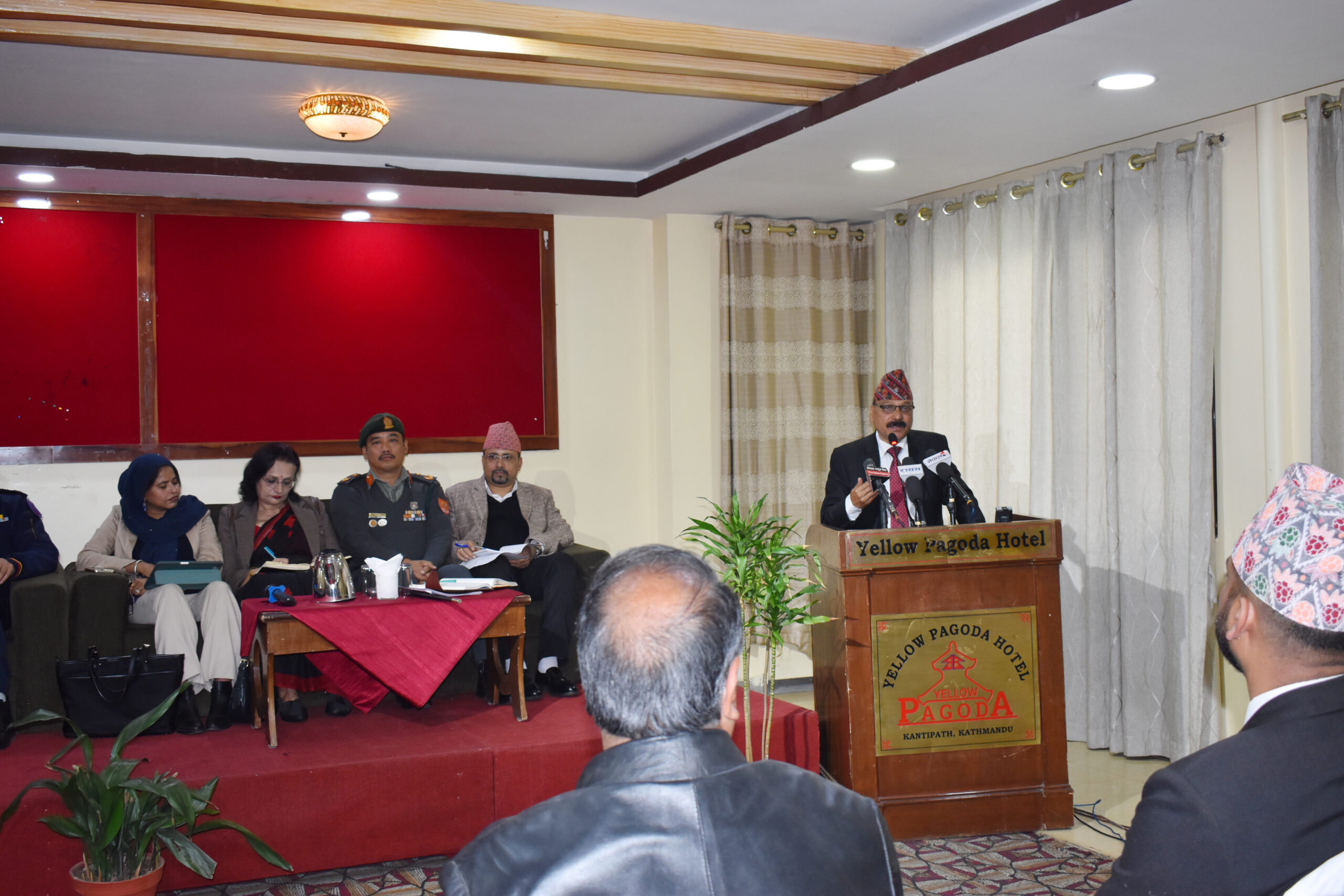
He observed that, in a country like Nepal where literacy rates are increasing, the Election Commission’s codes of conduct and spending limits are often not fully enforced. This, combined with the inability to regulate social media, even in developed countries, can raise questions about the credibility of free and fair elections.
Senior journalist Taranath Dahal highlighted that, as a result of the youth uprisings on September 8 and 9, 2025, the upcoming election on March 5 must meet citizen-level expectations. He noted that digital technology has enabled citizens to informally express opinions and raise questions, which has created ambiguity in society about where problems originate and how solutions should be pursued.
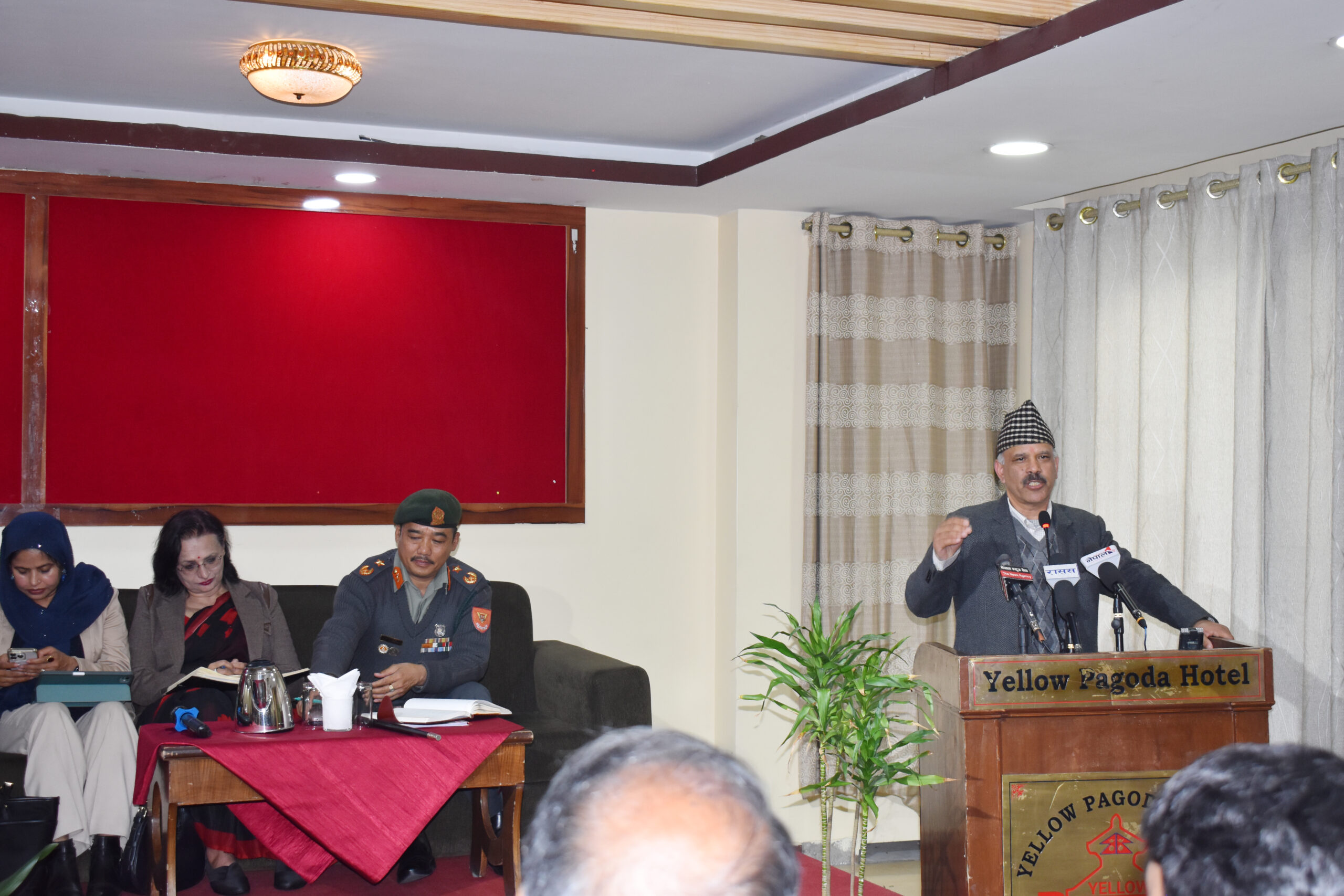
He noted that social media, if left unregulated, along with mainstream media, platforms, and technologies that make things appear differently from reality, has not been timely monitored by the Election Commission and the government.
Journalist Taranath Dahal expressed that the enthusiasm shown by voters in registering their names in accordance with their expectations for this election could serve as a milestone for the institutional development and sustainability of democracy.
Gender and minority rights activist Kopila Rijal recalled that in the era of social media and digitalization, an examination of constitutional bodies and party manifestos revealed gender disparities in candidacy. She noted that female candidates often face insensitive commentary on social media, indicating that gender equality is not fully practiced. She emphasized the need for coordination between political parties and the Election Commission regarding the impact of digital violence on gender equality, and raised questions about cooperation among the government, constitutional bodies, and candidates concerning the influence of digital content produced by parties, journalists, and citizens.
Rupak Phuyal drew attention to the fact that the commission formed to investigate the Bhadra incident did not submit its report on time, highlighting that some individuals involved in destructive acts were candidates. If elected, this would necessitate by-elections, imposing additional costs on the country.
Student Kusum Vaibal urged the Election Commission to implement effective voter education, as some candidates were misleading voters. Hari BC noted that students scattered across the country, due to lack of funds, had to rely on candidates to travel locally to vote, emphasizing the need for inter-district voting arrangements.
Dhirendra Singh Dhami requested the Election Commission’s attention to facilitate transportation for volunteer deployment providing primary assistance on election day. Advocate Rishikesh Shrestha drew attention to a case in Rukum East, where a single candidate campaigned with security personnel typically reserved for a former prime minister. Rights activist Shyamkumari Sah questioned what actions have been taken against candidates involved in irregularities such as booth capturing.
Ram Bhattarai from the Gas Federation highlighted the need for vote counting to be arranged at polling stations or at the municipal level. Advocate Saraswati Rai emphasized that the Election Commission must work to ensure transparency, as expenditures often exceed the set limits. Mukesh Century raised the issue that while proportional voting arrangements exist for prisoners and staff deployed for elections, there is no provision yet for inter-district or overseas voters, resulting in the curtailment of rights, and asked when such provisions will be implemented.