

A one-day interaction program on human rights and fundamental rights was held on December 10, 2025 at Saraswatinagar-6, Kathmandu, jointly organized by the Informal Sector Service Centre (INSEC), Ojaswi Nepal, Golden Peak High School, and Shanti Vidyagriha Secondary School, Lainchaur.
The program was attended by 40 girls and 43 boys from Grade 9 of the two participating schools. The interaction session was facilitated by Krishna Prasad Nepal, Human Rights Education Branch Focal Person at INSEC’s Central Office.
During the interaction, participants discussed the basic concepts of human rights, key provisions of the Universal Declaration of Human Rights, efforts made in Nepal for the protection of human rights, the role of various bodies and organisations in safeguarding human rights, the role of INSEC, the National Human Rights Commission, and other institutions, as well as the fundamental rights and duties enshrined in Nepal’s Constitution. Students also raised questions regarding gender-based violence and the factors contributing to it.
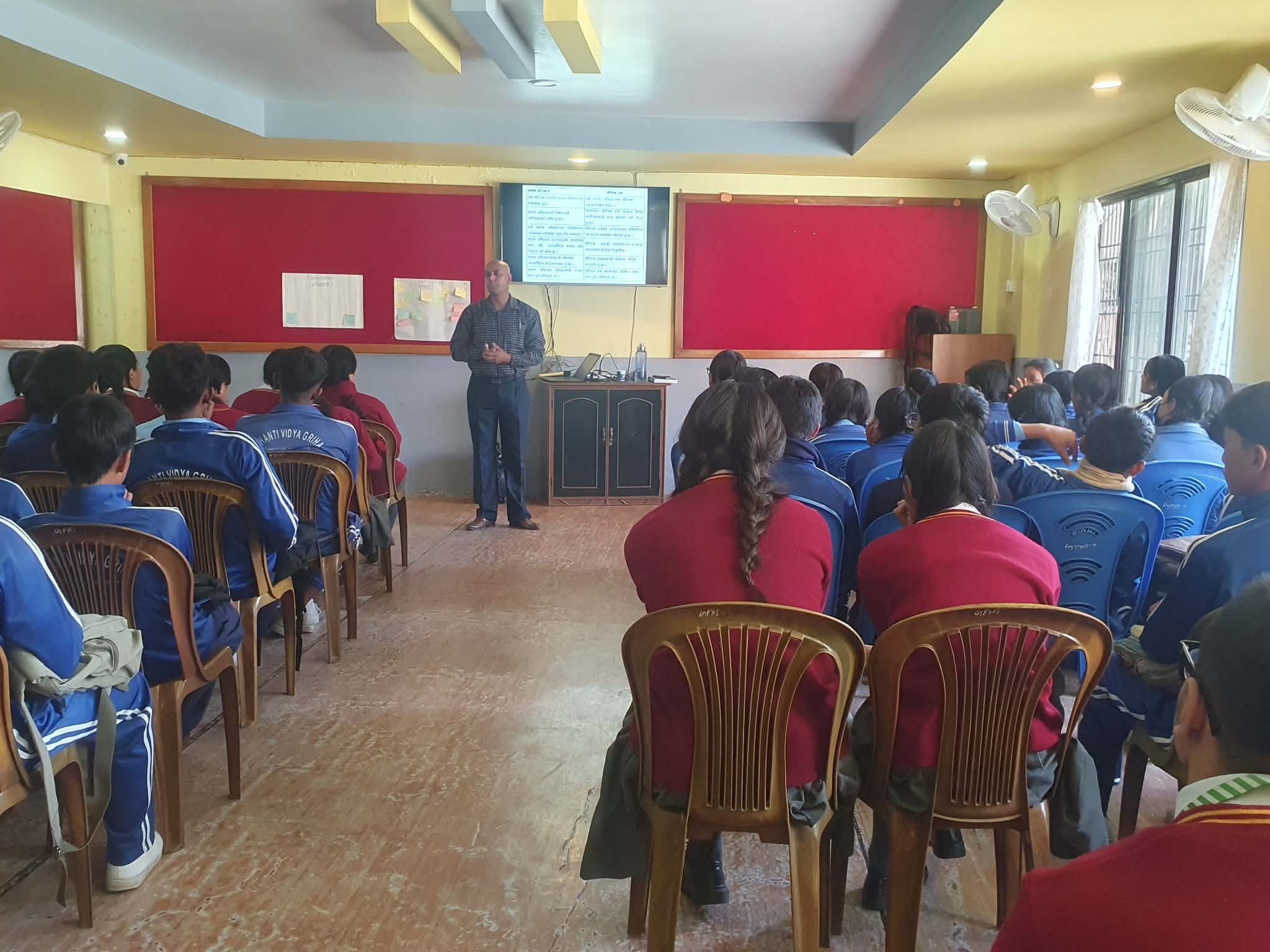 Similarly, discussions were held on the situation of human rights violations and abuses in Nepal, and on the roles of local governments, schools, community organisations, civil society, and students in mitigating such incidents.
In the context of the 16 Days of Activism Against Gender-Based Violence, the program also covered issues related to violence resulting from the misuse of digital media in contemporary times, as well as the precautions adolescents should adopt.
Highlighting the objective of the program, Principal Chhatramani Rai expressed gratitude to INSEC.
Kala Rai, Chairperson of Ojaswi Nepal, emphasized that such interactions for basic and secondary-level students would contribute to developing human-rights-friendly perspectives among students and enhance their social and moral awareness regarding gender issues in the days ahead.
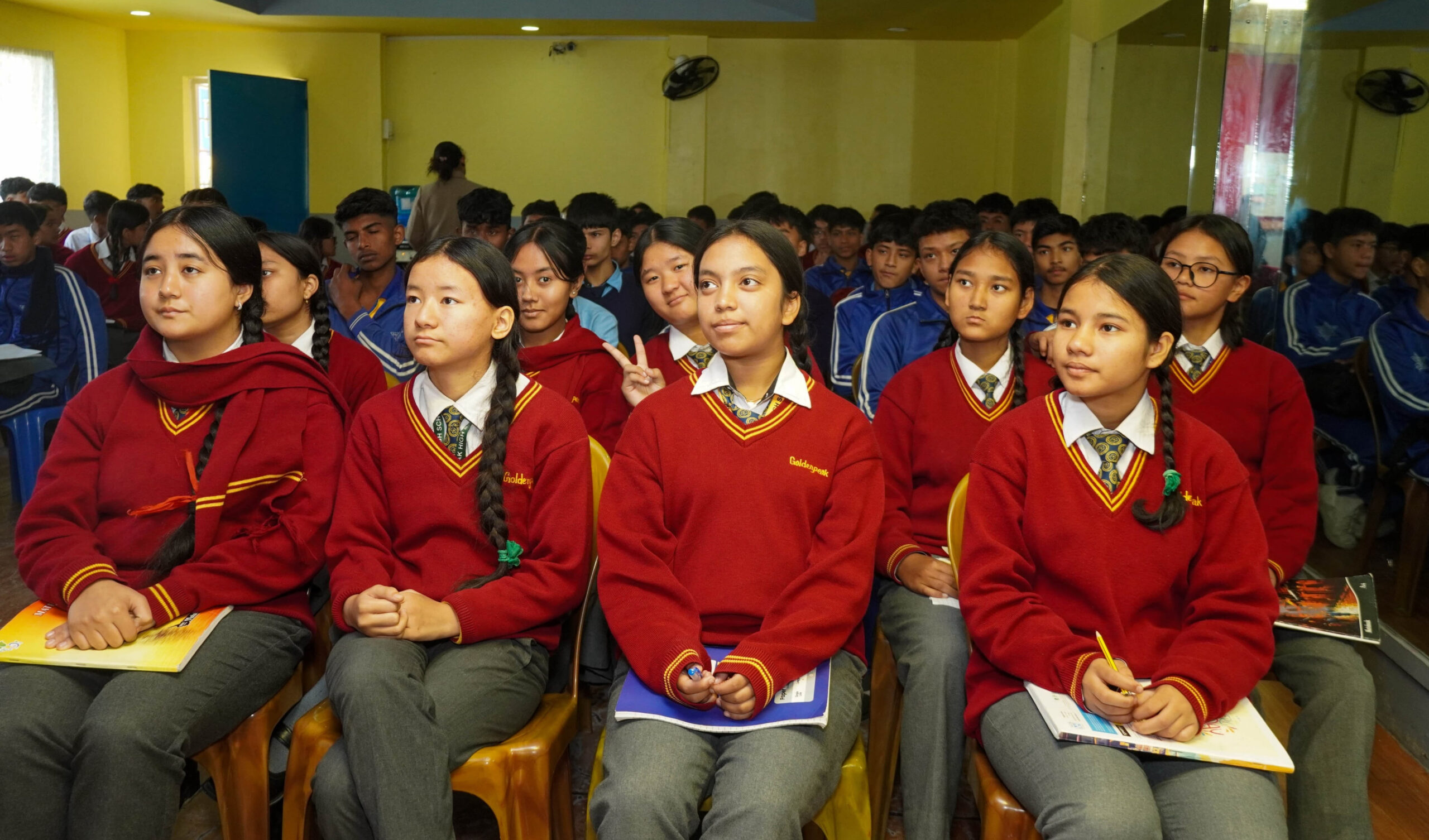
Facilitator Krishna Prasad Nepal emphasised that such discussions play an important role in enhancing the participation and capacity of youth, women, and children on human rights and gender issues included in school-level curricula. He highlighted that schools, teachers, students, parents, and local governments have a crucial role in this process, and that these efforts ultimately contribute to the promotion of human rights and social justice.