

Road construction in the Saipal Rural Municipality of Bajhang has been left incomplete, severely disrupting the supply of daily essentials. With the road blocked, food grains and consumer goods have stopped reaching all five wards of the municipality. As shop inventories run out, fears of hunger are mounting among residents. Local Basanta Bohara said that there isn’t even a way for mules, sheep, or goats used for carrying goods to pass. That’s why there is now a shortage of food and daily necessities in the settlement.
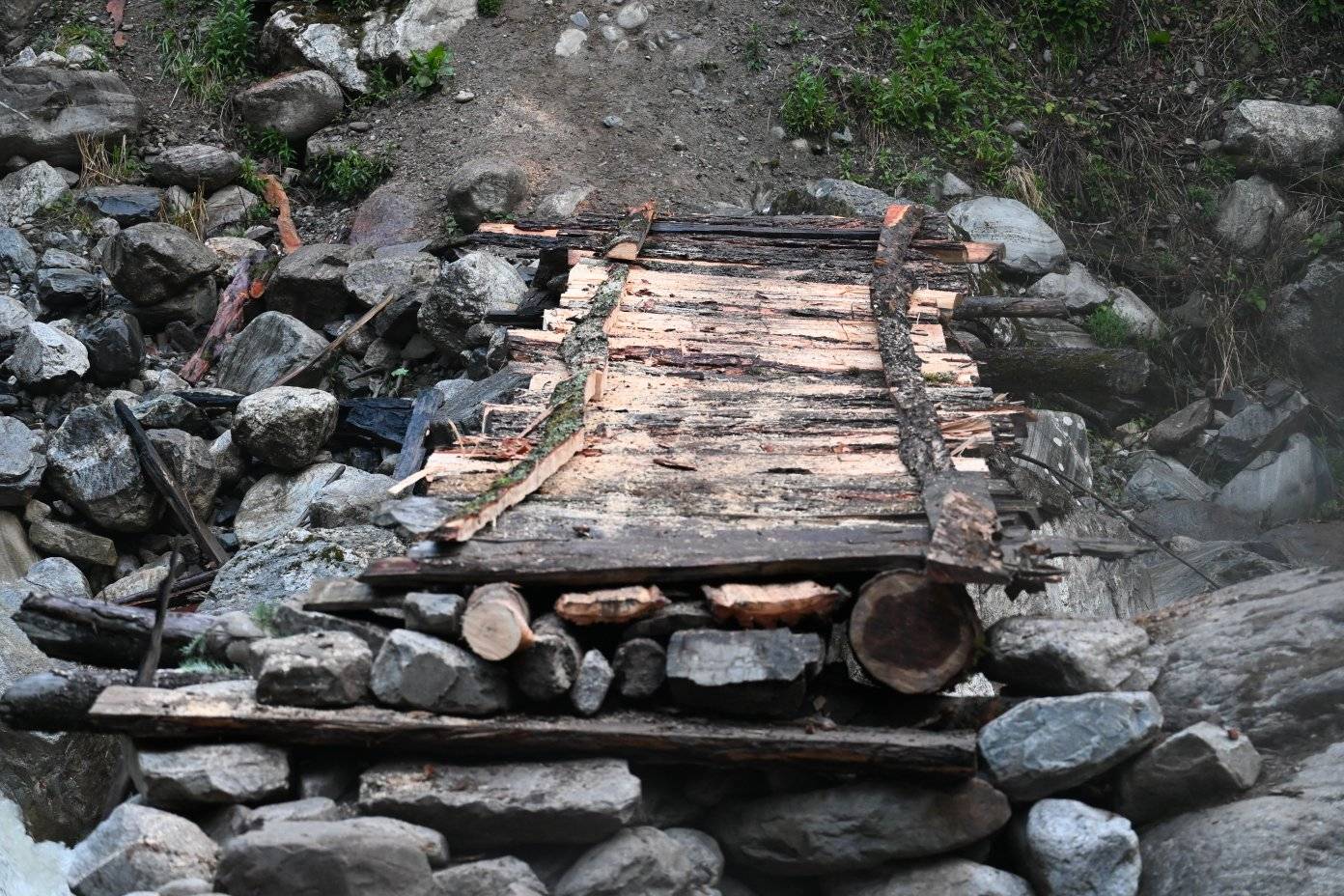
Out of the 12 local levels in the districts, 11 have road access, except for in Saipal Rural Municipality. In the past two years, around Rs 6,55,00,000 has been spent, but the poorly managed road cutting has triggered frequent landslides, which have buried large sections of the track and even destroyed foot trails, leaving residents with no reliable route for travel or transport.
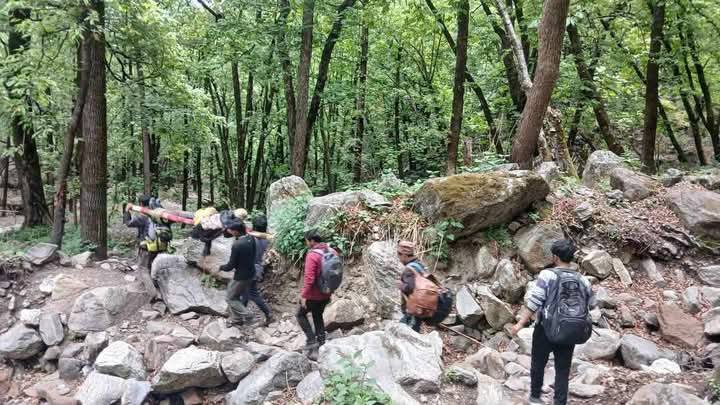
Local Bajir Bohara warned that if the road is not reopened immediately, all wards of Saipal will face severe food shortages. He added that the people’s representatives are ignoring the situation.
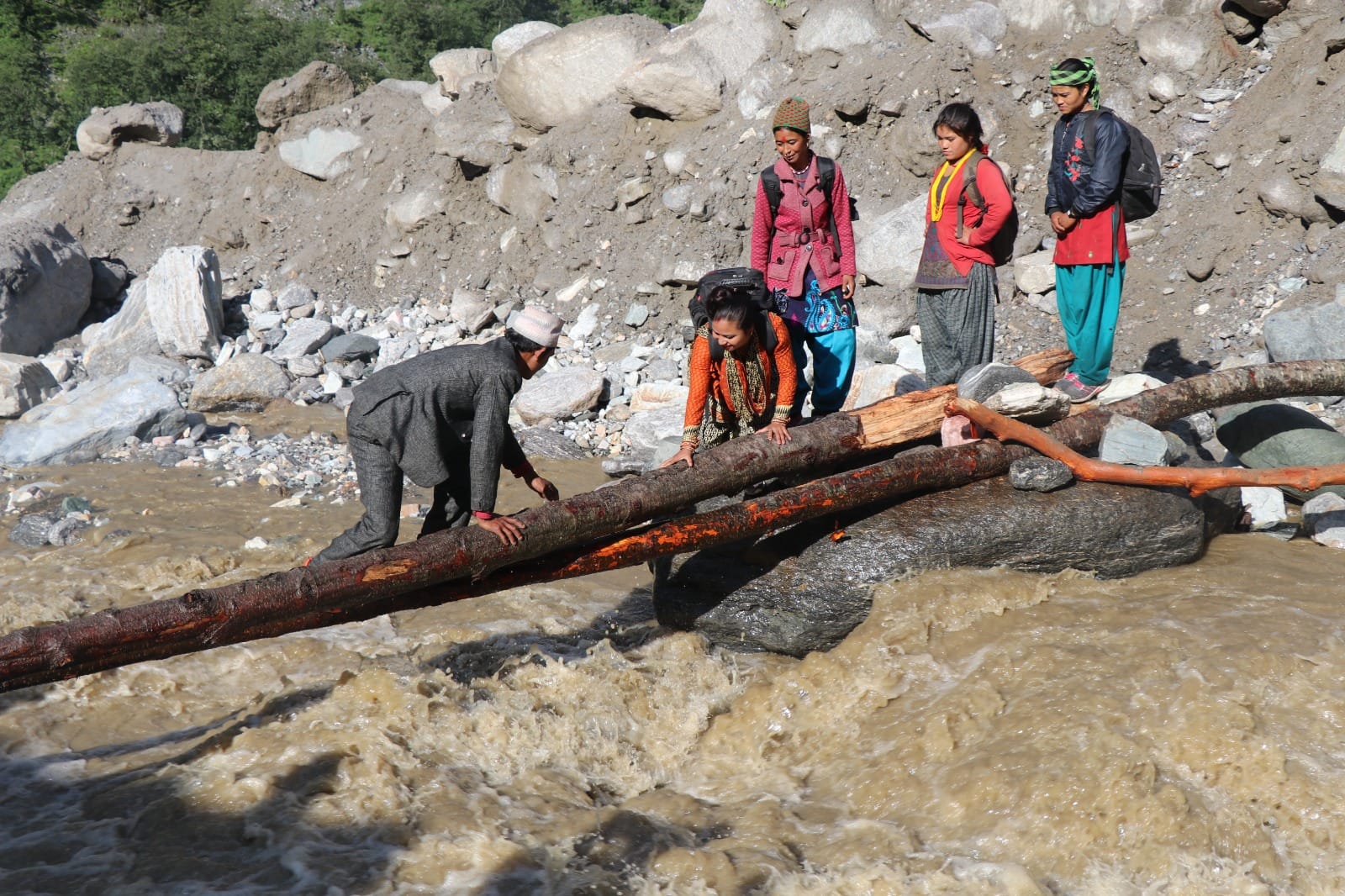
Former ward chairperson Jangbir Bohara said that the road was haphazardly cut, which has caused frequent landslides and made travel extremely difficult. According to him, after the road was blocked, traders have even raised the prices of essential goods. Similarly, Local Ghurun Bohara also complained that it has been about a month since landslides destroyed even the foot trails. Now there are no walking paths left, and there is also a shortage of daily necessities. Local Mangal Bohara said that since the border is closed, it is no longer possible to bring supplies through the Tibet route. If the road is not reopened, there will be a shortage of essential goods, leading to famine.
Saipal Rural Municipality Chairperson Man Bahadur Bohara stated that although the road has been blocked due to the monsoon, efforts are being made to resolve the problem. He said preparations are underway to clear the obstructed road within a week, either by deploying machines or with the support of local villagers, to prevent residents from facing famine.