

The Salyan District Jail, designed to accommodate 25 inmates, 20 men and five women is currently housing 124 prisoners. Bhim Bahadur Gharti, the jail chief, described managing the facility as increasingly challenging due to severe overcrowding. Inmates are cramped into narrow rooms, and due to lack of space, tents have been set up to accommodate some prisoners. Those serving shorter sentences are kept outside in the tents, while inmates with longer sentences stay inside. The overcrowding has worsened problems related to toilets, drinking water, and other essential facilities, negatively impacting both physical health and mental well-being. Among the 124 inmates, there are 12 women, 111 men, and one dependent minor. Despite repeated appeals to the Jail Department, Gharti reports no progress in resolving the issue, primarily due to the unavailability of land for expansion. The Jail Department has expressed willingness to provide funding for construction if four to five ropanis of land can be secured. However, such a large area is not available locally, there are no donors, and purchasing land is expensive.
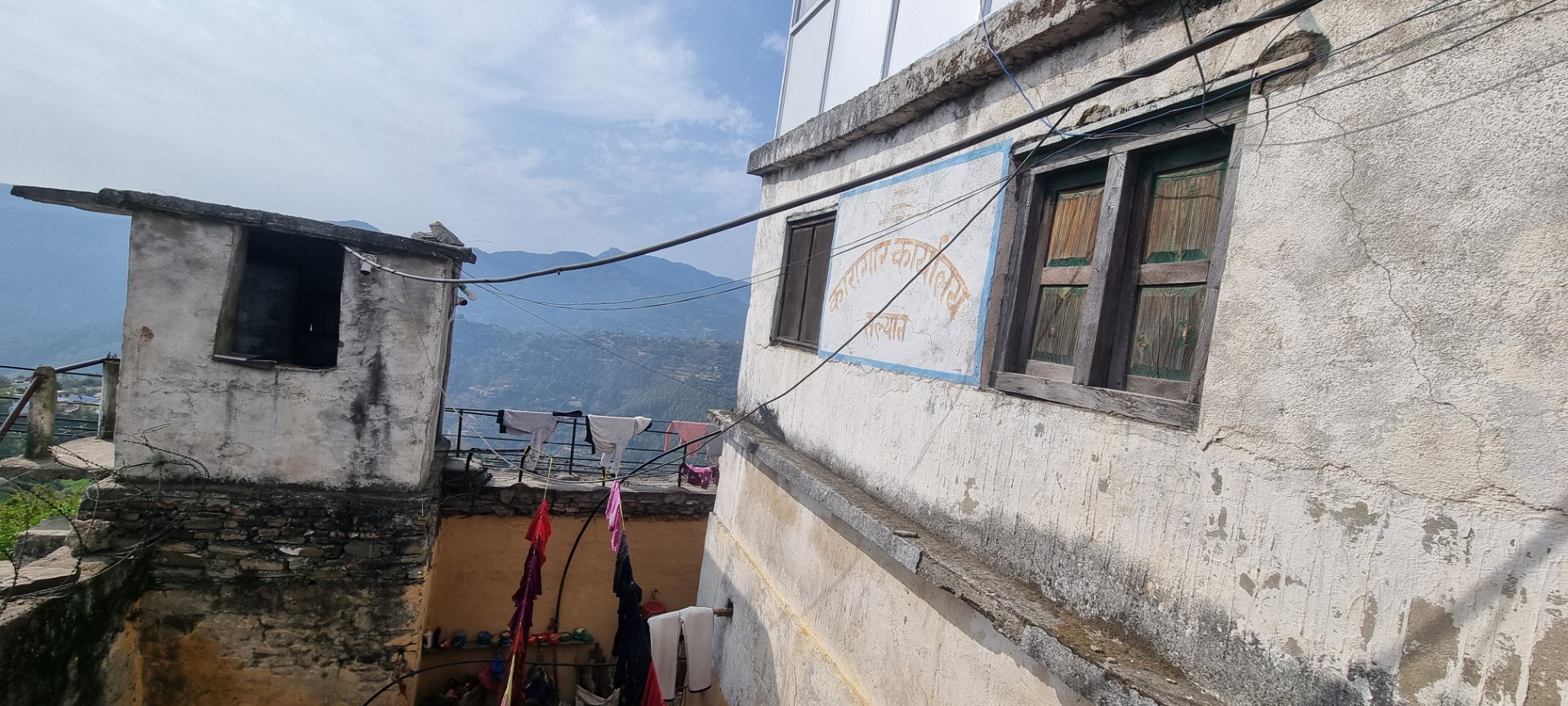
This overcrowding crisis is not only faced in Salyan alone but affects all ten districts of Karnali Province. Inmate populations far exceed prison capacities, making daily life increasingly difficult. The Government of Nepal has failed to fulfill its stated objectives of jail reform, resulting in prisoners being held without even their minimum rights. Besides Salyan, jails in Kalikot, Dailekh, Rukum West, Jajarkot, and Surkhet face similar challenges. Female inmates from Jajarkot must be transferred to Surkhet due to the absence of a women’s cell. Among the ten districts, Humla and Mugu do not have prisons; inmates from Humla are sent to Nepalgunj and Surkhet, while those from Mugu are sent to Jumla. Although new buildings have been constructed in Surkhet, Dailekh, and Jumla, other districts still rely on old, dilapidated prison structures.
According to the Provincial Police Office in Surkhet, only Jumla and Dolpa prisons currently hold inmates within their capacity limits. Surkhet jail, the provincial capital’s facility, has a capacity of 100 (70 men and 30 women) but is accommodating three times that number. Conditions for minor children living with their mothers in the prison have been described as miserable.
In Jajarkot, a jail built for 35 inmates holds around 70, causing problems with facilities such as sports, toilets, and drinking water. Kalikot’s prison, designed for 25, currently houses 50 inmates. Rukum West’s jail, also designed for 25, holds more than 150 inmates. Many jail buildings across the province are in poor condition, reflecting the gap between the government’s vision of correction centers and the harsh reality. International human rights standards require that every inmate have adequate living space, clean drinking water, regular health check-ups, rehabilitation programs, legal counseling, and opportunities to maintain family contact. Unfortunately, most Karnali prisons lack these essentials. Ineffective implementation of vocational training, formal education, and counseling inside prisons further exacerbates inmates’ challenges.
Prisoners spend their entire days confined to their rooms. Jail officials note a lack of prioritization from both provincial and federal governments regarding prison conditions. Aging infrastructure, limited budgets, and shortages in human resources hamper meaningful improvements. Human rights activists call for an urgent, comprehensive jail reform plan for Karnali. They demand reconstruction of old prison buildings, construction of new facilities, expansion to match inmate populations, implementation of rehabilitation programs, proper management of women and child inmates, enhanced health services, and facilitation of legal counseling as minimum priorities.
Prisons in Karnali have increasingly become places of intensified punishment rather than rehabilitation.