

Schools in Api Himal Rural Municipality have been closed after teachers and students went to collect Yarsagumba. The schools were shut down as teachers, guardians, and students from across the municipality headed to the highlands for Yarsagumba collection. Education Section Officer of Api Himal Rural Municipality, Birendra Singh Saud, informed that all schools in the municipality have been closed since May 18 due to the start of the Yarsagumba collection season. As most guardians, teachers, and students leave school to collect herbs in the highlands, the schools have been closed for 20 days, with plans to resume classes from June 7, 2025. Saud informed that the closure would be adjusted with the summer break. Most schools in the area remain closed every year during this herb collection season. In all 24 community schools of the rural municipality, most students go to the highlands with their guardians to collect Yarsagumba and other herbs.
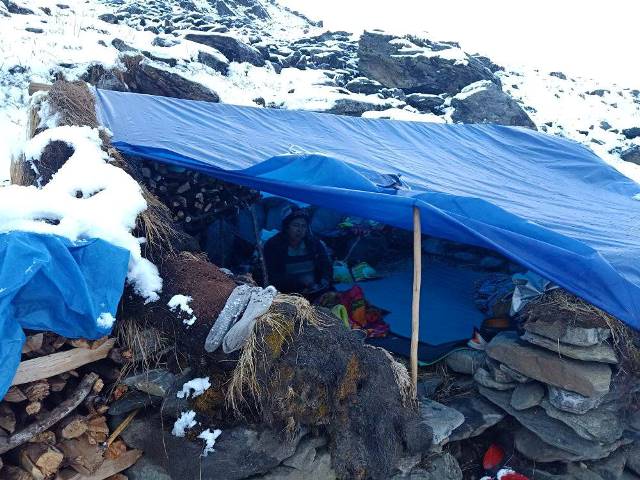
A resident of Api Himal Rural Municipality-2, Gagan Singh Lothyel, stated that without collecting Yarsagumba, it would be difficult to afford children’s education. He explained that Yarsagumba is the main source of income for many families throughout the year. He added that without the participation of the children in the collection, families struggle to meet basic needs and cover educational expenses. Due to low crop production, locals rely on selling herbs gathered during the months of May/June to manage their annual costs. Some households even lock their homes before going to the highlands for collection. Locals here have been collecting Yarsagumba for over two decades. Gagan Singh Lothyel explained that the crops produced from their fields do not even last three months, as most of the land is steep and rugged. Collecting Yarsagumba for two months is enough to sustain families throughout the year. Kamal Singh Dhami of Api Himal Rural Municipality-3 stated that children are often better at finding Himalayan herbs like Yarsagumba than their guardians. Although collecting Yarsagumba is very challenging, children have no choice but to go to the highlands with their families to support their livelihoods.
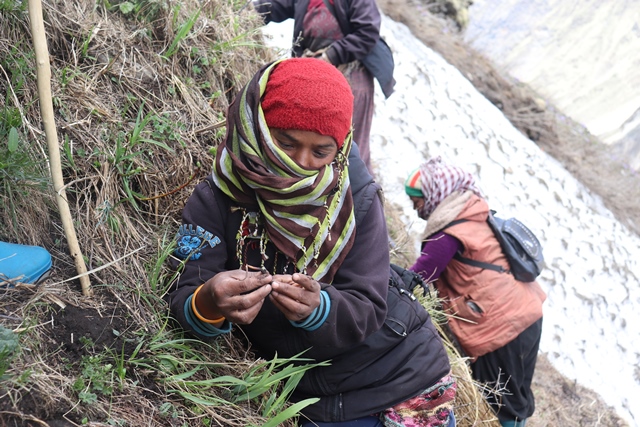
Students studying in Kathmandu, Dhangadhi, and the district headquarters of Darchula, including Khalanga, have also gone to Patan for harvesting Yarsagumba. A student studying in Kathmandu, Jay Dhami, shared that he came to his village before mid-May to collect Yarsagumba. He explained that they spent about a month searching for Yarsagumba before returning to Kathmandu. According to him, collectors are currently finding between 20 and 30 Yarsagumba pisces daily. He noted that this year’s harvest is somewhat better than the previous year’sWhile plentiful harvests can generate significant income, such outcomes are unpredictable. He also underscored the seasonal hazards, including extreme cold and avalanche risks during snowfall. As of mid-May, many local residents have already proceeded to Patan to begin collection activities.
According to local residents, collecting Yarsagumba helps them manage household expenses and fund their children’s education throughout the year. However, the collection season has also resulted in injuries and fatalities among children and community members. Khadak Singh Dhami, a student at Darchula Bahumukhi Campus in Khalanga from Naugad Rural Municipality, recently traveled to Api for Yarsagumba collection. He intends to spend about a month collecting before resuming his college studies. He emphasized that focusing solely on education is insufficient and that earning income is essential. In Apihimal, where only two crops are grown annually, the harvested grain is insufficient to sustain families throughout the year. For those without regular employment, there are only two viable options. This year, due to unfavorable weather conditions, collectors are facing increased challenges. Manasi Dhami explained that despite the risks of hailstorms and avalanches, they must continue collecting Yarsagumba. With household production falling short, many rural Municipalities in Apihimal have been left nearly empty as families, including children, have gone to collect Yarsagumba.
People between the ages of 12 and 50 travel to Patan for the Yarsagumba collection. With the onset of the harvesting season, residents from Api Himal, Marma, Naugad, and Byas Rural Municipalities have begun their journey to the highlands. Apihimal sees the highest number of collectors in the district, with thousands reaching areas such as Lolu, Ringdepani, Satganga Kalidhunga, Katai, Ghattekhola, Dharamghar, Kshati, Satganga, and Chaimtela. Similarly, Yarsagumba is also collected in areas like Apiphed, Dopakhe, and Dudhiban in Byas Rural Municipality. The Api Nampa Conservation Area Office issues collection permits for Yarsagumba each year in the district. However, despite collectors already reaching the highlands, only around 700 individuals have obtained permits so far. According to Binay Kumar Jha, Chief Conservation Officer of the Api Nampa Conservation Area Office in Darchula, the office is currently issuing permits from 10 designated locations in the district. As per legal provisions, collectors are required to carry identification while collecting. Each year, approximately five to seven quintals of Yarsagumba are exported from the district.