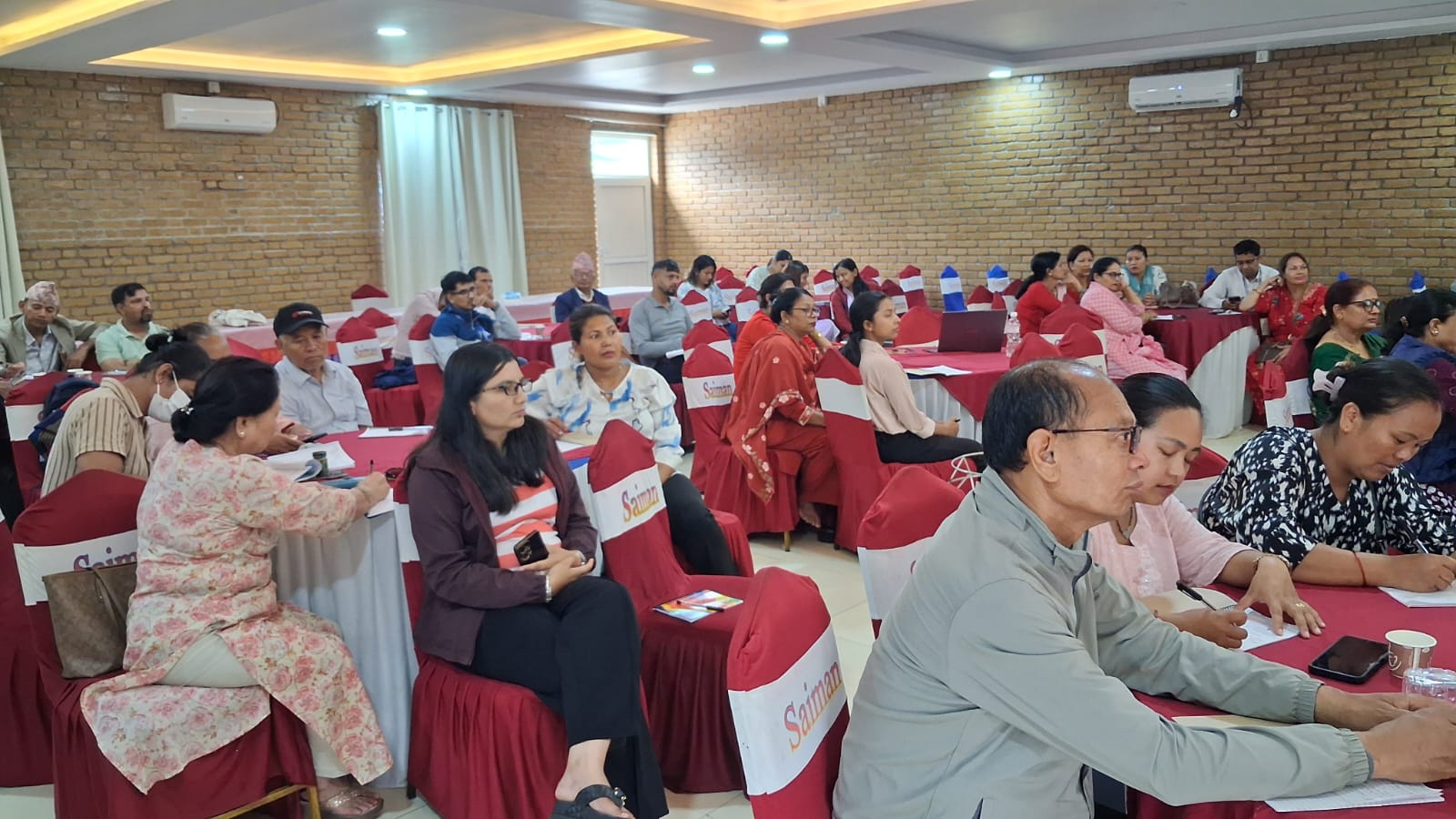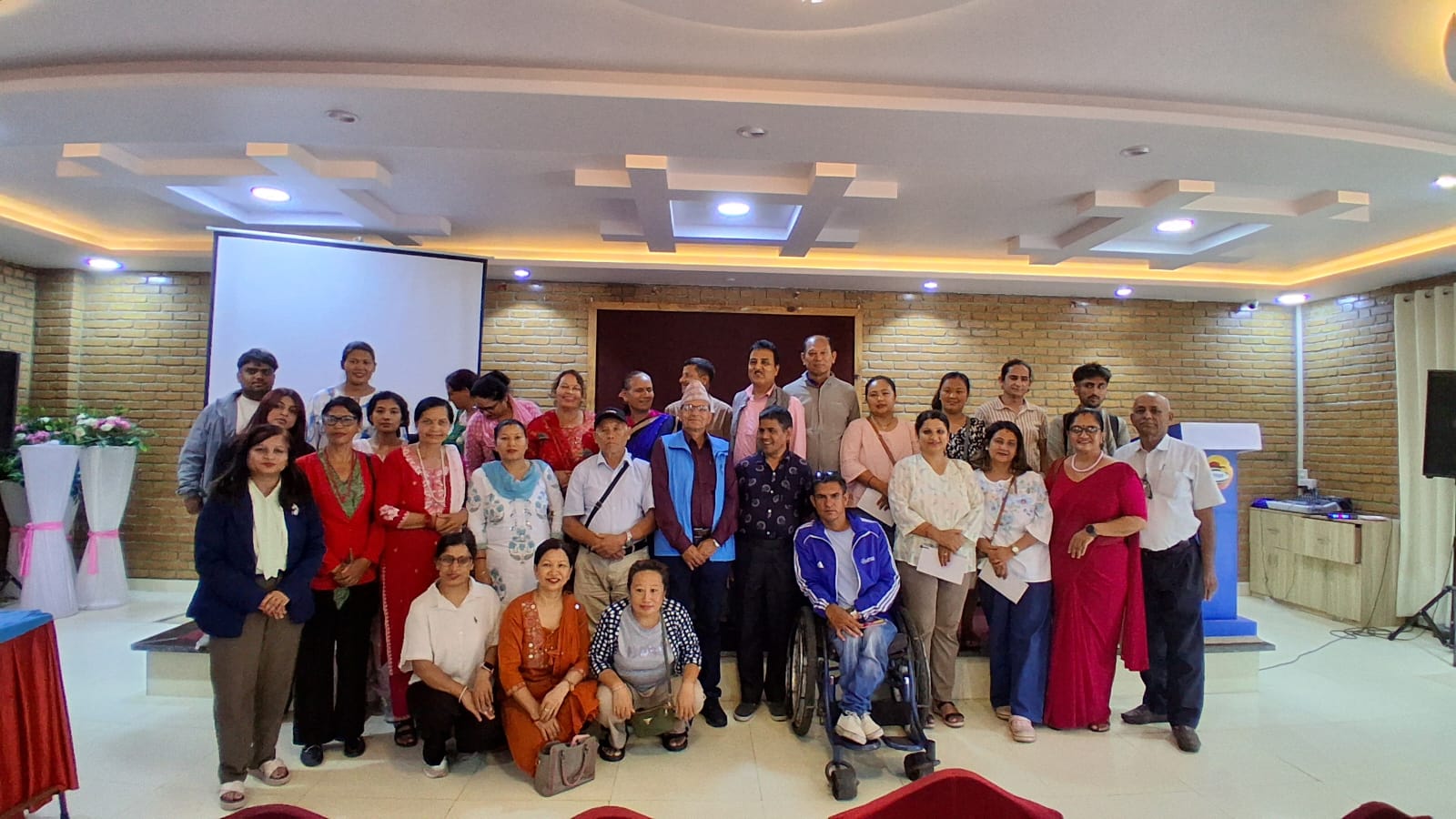

The Informal Sector Service Centre (INSEC) Gandaki Province Office, in collaboration with the Human Rights Defenders’ Network, Gandaki Province, organized an interaction programme on Environment and Human Rights in Pokhara on July 1, 2026.
The chief guest of the programme, Ganeshman Gurung, Member of the Gandaki Province Assembly, stated that the right to live in a clean environment is a fundamental right guaranteed by the Constitution. He emphasized the need to advance environmental conservation in balance with development. Gurung further stated that climate change, the unsustainable exploitation of natural resources, and environmental pollution are having serious impacts on human life, agriculture, tourism, and overall development. He expressed the view that effective collaboration among the government, civil society, and local communities is indispensable for environmental protection.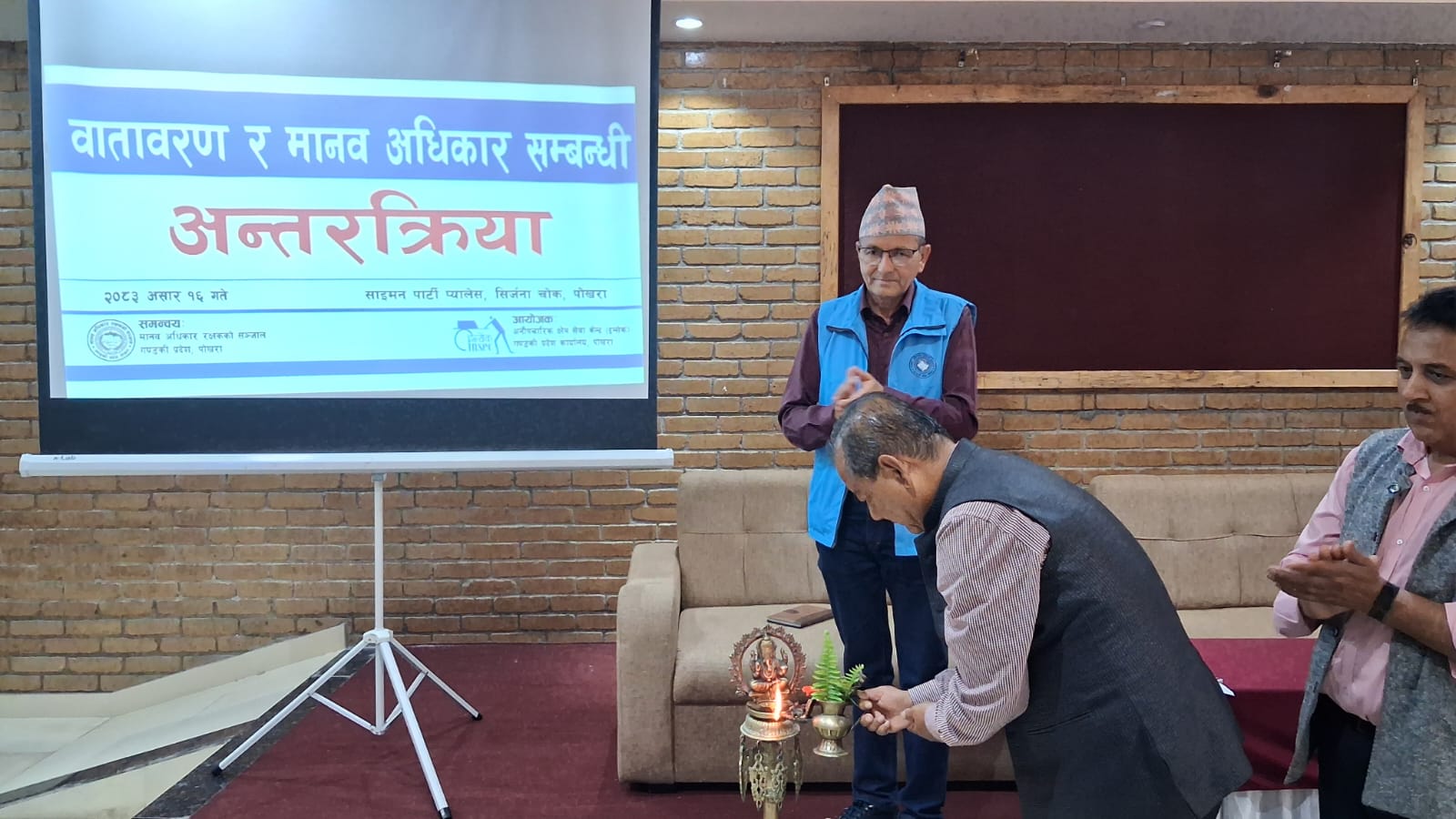 The special guest, Neetu Gartaula, Head of the Gandaki Province Office of the National Human Rights Commission, stated that environmental rights are an integral part of human rights and emphasized that the constitutional right to a clean environment must be effectively implemented. Gartaula stressed that the State has the responsibility to protect the rights of communities affected by climate change, ensure environmental justice, and safeguard environmental human rights defenders.
During the programme, Ganesh Bhandari, Gandaki Province Coordinator of the Informal Sector Service Centre (INSEC), delivered a presentation on environment and human rights. Bhandari stated that climate change, deforestation, the unsustainable use of natural resources, increasing pollution, and the decline in biodiversity in Gandaki Province have had a direct impact on human rights. He highlighted the impacts of climate change on the province’s agricultural system, forests, water resources, tourism, and people’s livelihoods, as well as the risks of glacial lake outburst floods (GLOFs), lessons learned from flooding in the Seti River, increasing air pollution in Pokhara, the conservation of indigenous plant species, the control of invasive weeds, and the need for the effective implementation of environmental impact assessments.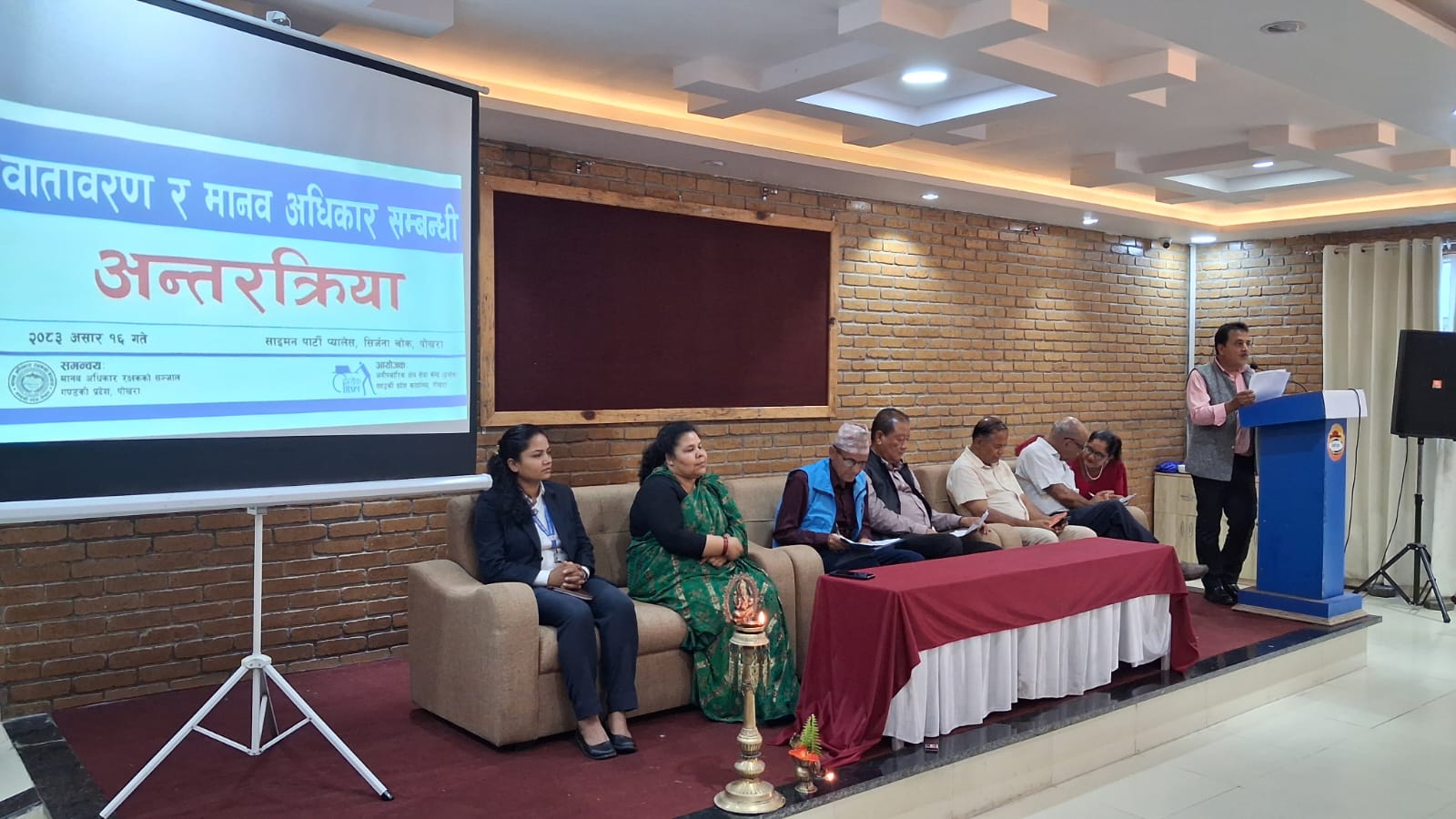 Similarly, Neetu Gartaula, Head of the Gandaki Province Office of the National Human Rights Commission, delivered a presentation on environmental rights and the State’s responsibilities. She stated that a clean environment is a fundamental human right of every citizen. Gartaula emphasized that all concerned bodies must be accountable for the effective implementation of environmental laws, policies, and court orders, the protection of communities affected by climate change, and the assurance of environmental justice.
During the programme, Prabhat Lamichhane, Head of the Environment Section of Pokhara Metropolitan City, shared that the local government has prioritized addressing environmental pollution associated with rapid urbanization, improving waste management, and conserving green spaces.
Likewise, Shobha Gautam, General Secretary of the Pokhara Chamber of Commerce and Industry, highlighted the need to advance economic development alongside environmental conservation, stating that industries and businesses must adopt environmentally friendly practices to achieve sustainable development. Gautam noted that Pokhara’s natural heritage, tourism, and local economy are directly linked to the environment and stressed that the private sector should play an active role in promoting green practices, responsible business, and environmental protection.
During the interaction, the speakers emphasized that environmental justice should be placed at the center of human rights in the formulation of policies and programmes, that environmental conservation should be prioritized to achieve the Sustainable Development Goals, and that partnerships among the government, civil society, and local communities should be further strengthened and made more effective.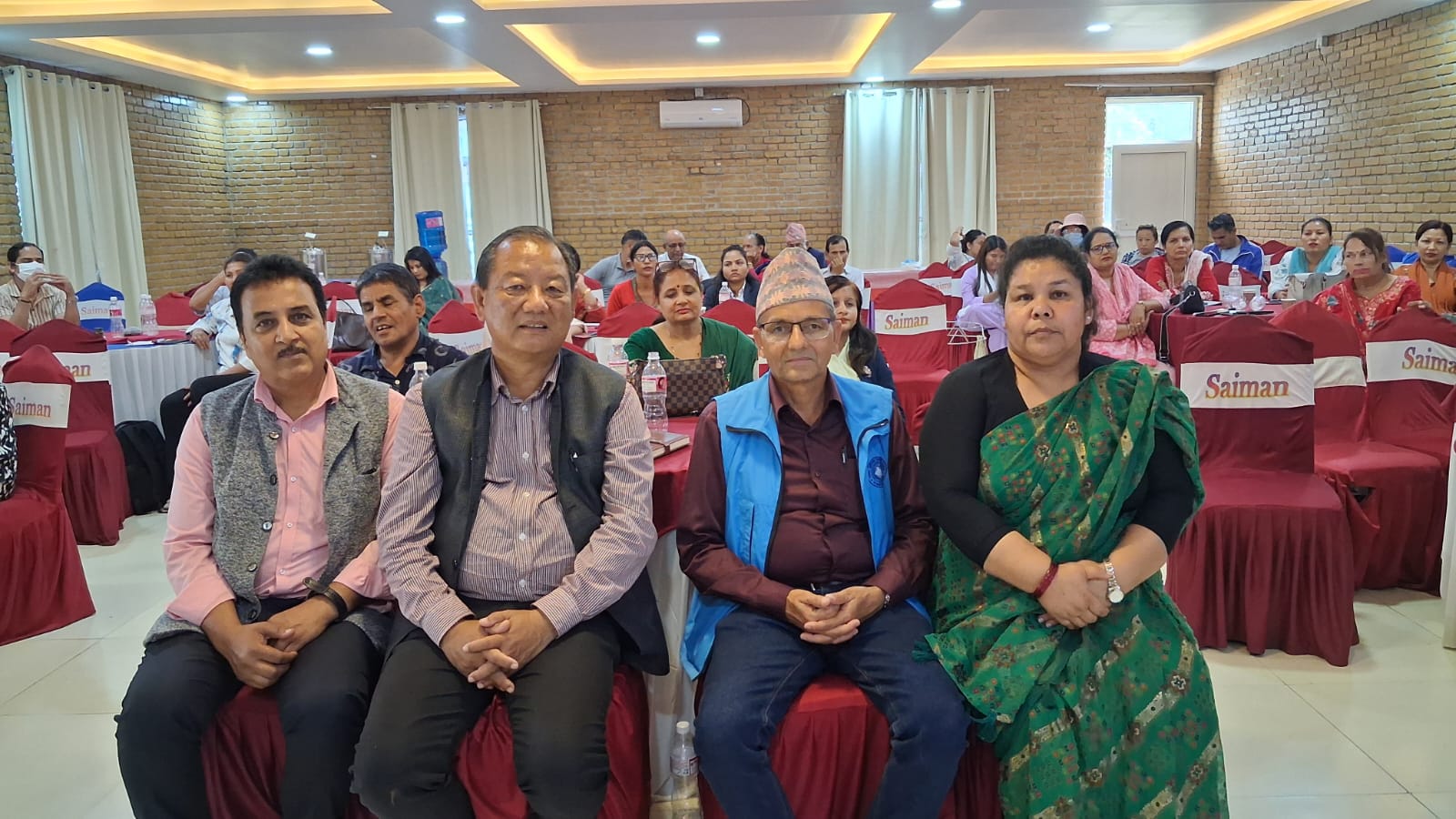 During the discussion, participants also held in-depth deliberations on the growing problem of monkey management in Gandaki Province, the conservation of biodiversity, the increasing occurrence of natural disasters due to climate change—particularly floods and landslides—the sustainable use of natural resources, and the participation of local communities.
Ramesh Paudel, a member of the Gandaki Province Committee of the Federation of Nepali Journalists, expressed the view that the media should give greater priority to environmental issues.
Likewise, Bishnu Prasad Baral, Advisor to the Human Rights Defenders’ Network, stated that the State should ensure the protection of environmental human rights defenders and recognize and respect their role.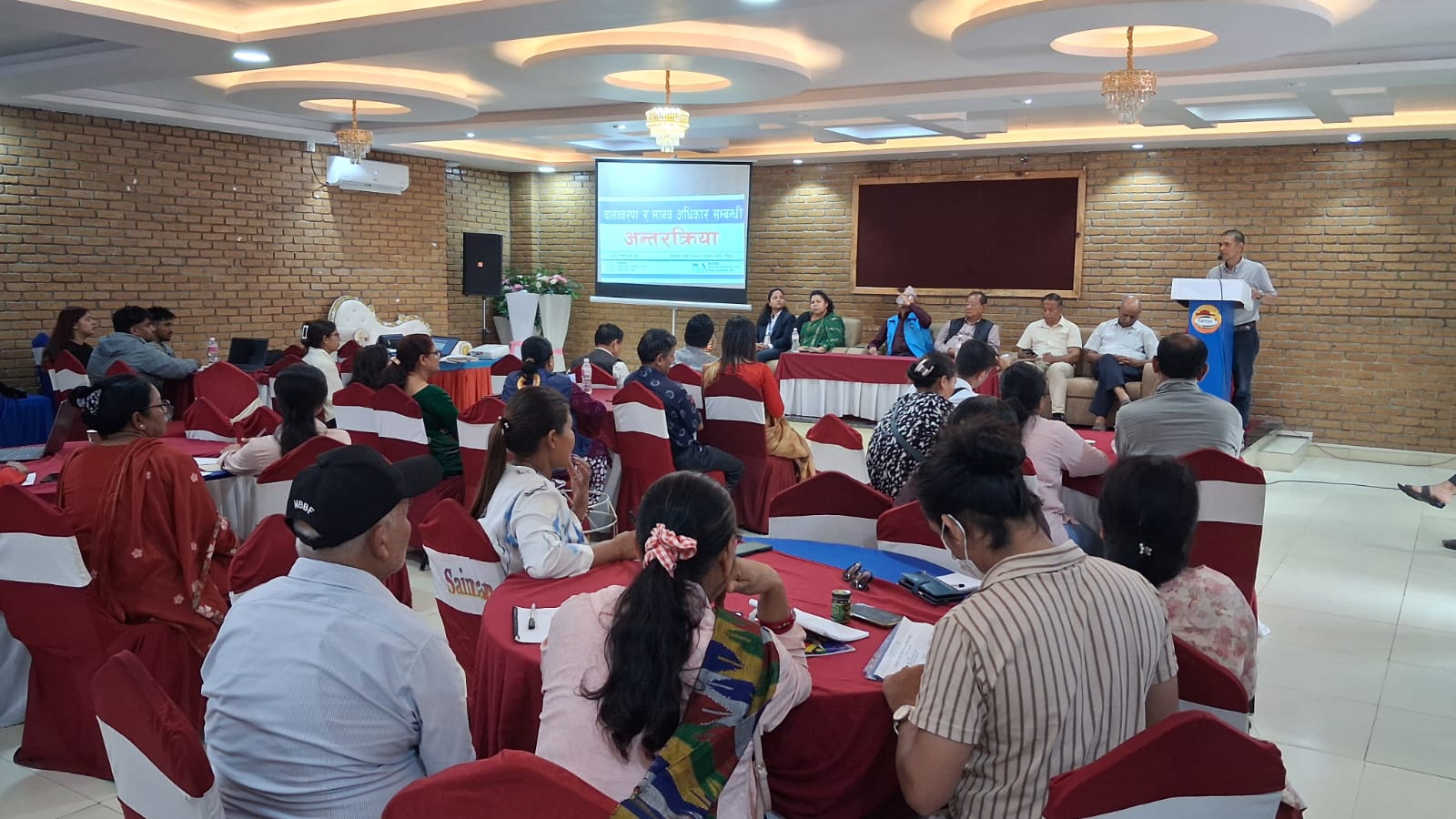 Bina Silwal, Executive Director of Kopila Nepal, stated that the impacts of climate change are disproportionately borne by women, children, and marginalized communities, and emphasized the need to pay special attention to protecting their rights.
Indira Paudel, President of the NGO Federation Nepal, expressed the view that coordination among government agencies, civil society, and local communities should be strengthened in programmes related to flood management, disaster risk reduction, and environmental conservation.
Bharatmani Bhattarai, Secretary of the Torture Victims Society Kaski and a former teacher, stated that although environmental conservation is a matter of global concern, the participation of stakeholders in the programme had fallen short of expectations. He stressed that the active involvement of all sectors is essential in addressing such issues.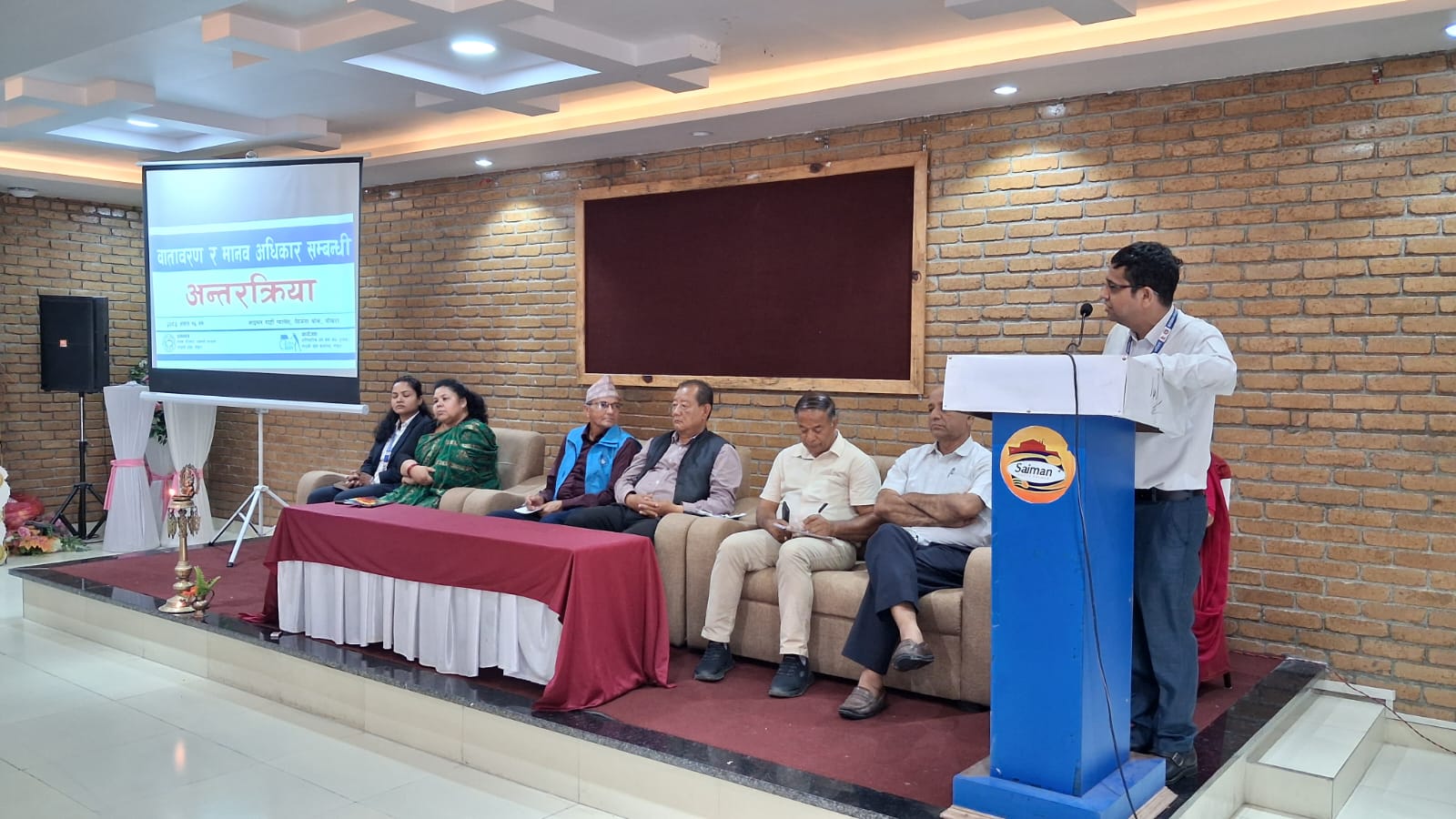 The participants concluded that coordination and collective efforts among all stakeholders are indispensable in addressing climate change, environmental justice, biodiversity conservation, environmental impact assessment, human rights-based development, the Sustainable Development Goals, the conservation of natural resources, and the effective implementation of environmental policies.
Concluding the programme, Ramhari Dhungana, Coordinator of the Human Rights Defenders’ Network, Gandaki Province, stated that environmental protection and human rights are inseparably linked and emphasized the need for continued collaboration among the government, civil society, the media, and local communities in this area. Dhungana expressed confidence that the recommendations and conclusions emerging from the interaction would be communicated to the concerned authorities to promote policy and practical reforms. He also stressed that all stakeholders must work together to ensure environmental justice, address the challenges posed by climate change, and guarantee every citizen’s fundamental right to live in a clean environment. He concluded the programme by thanking all participants.
The programme witnessed notable participation from representatives of various government and non-government organizations, the National Human Rights Commission, the media, civil society, environmental advocates, human rights defenders, and other stakeholders.