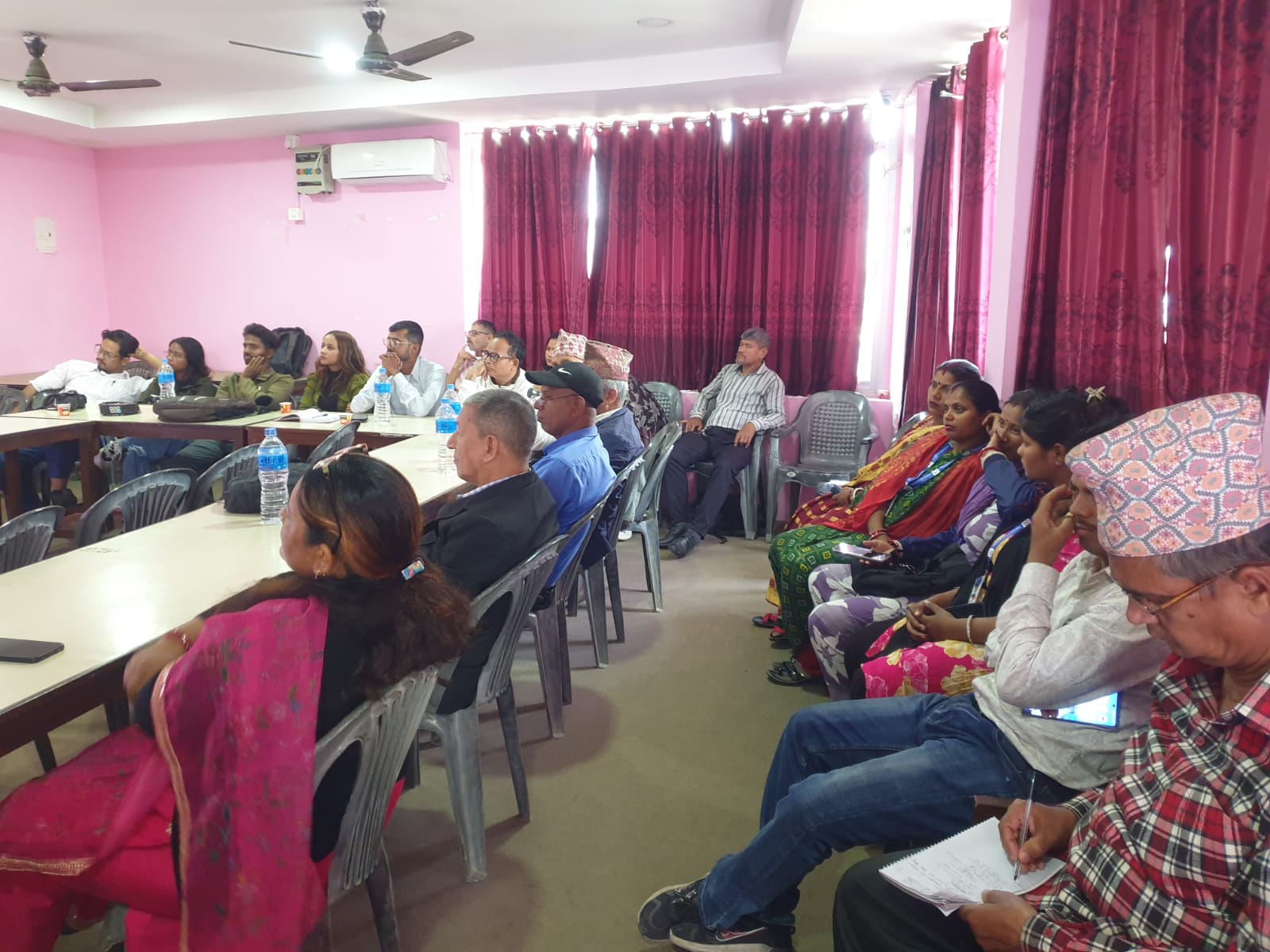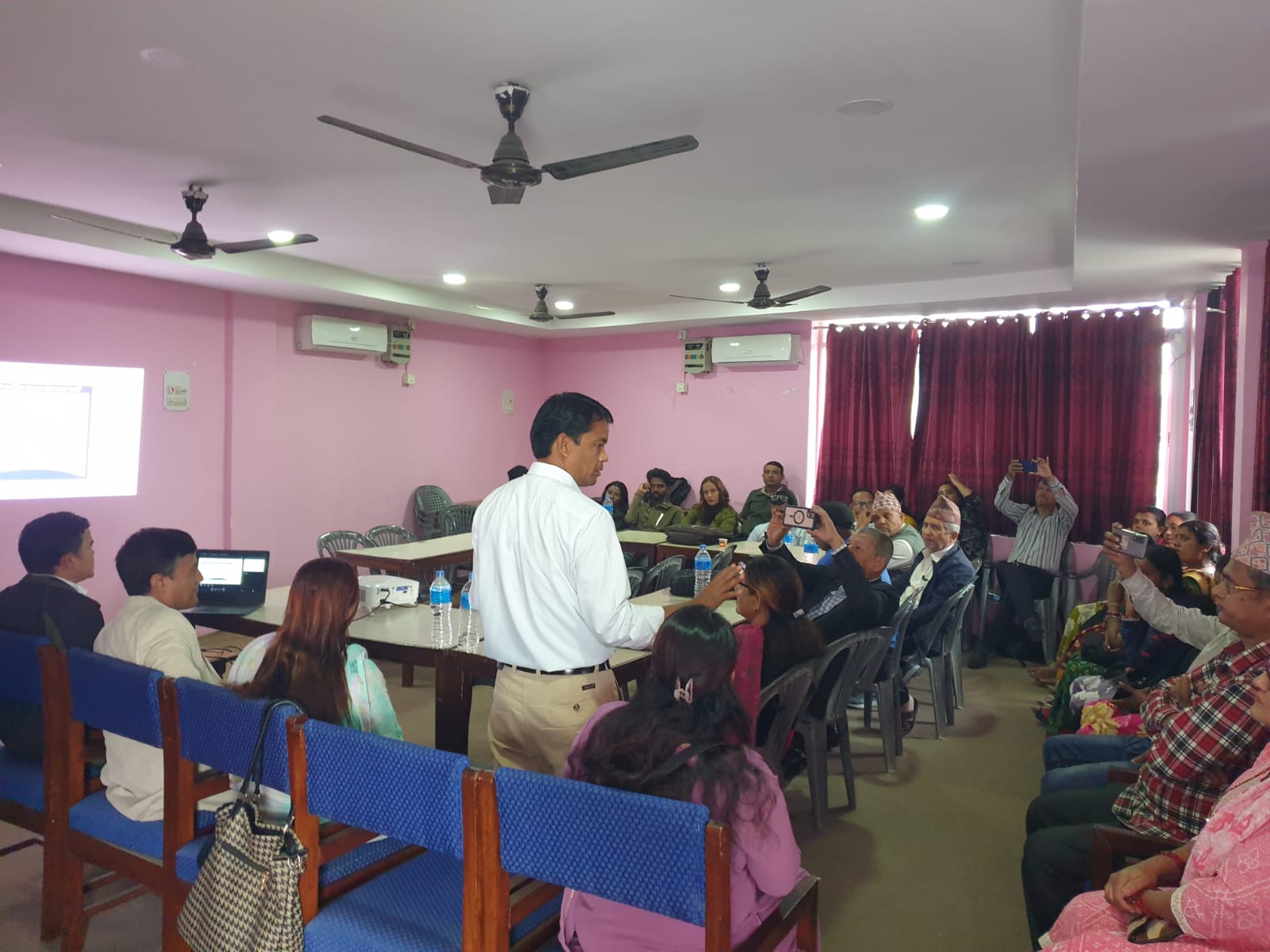

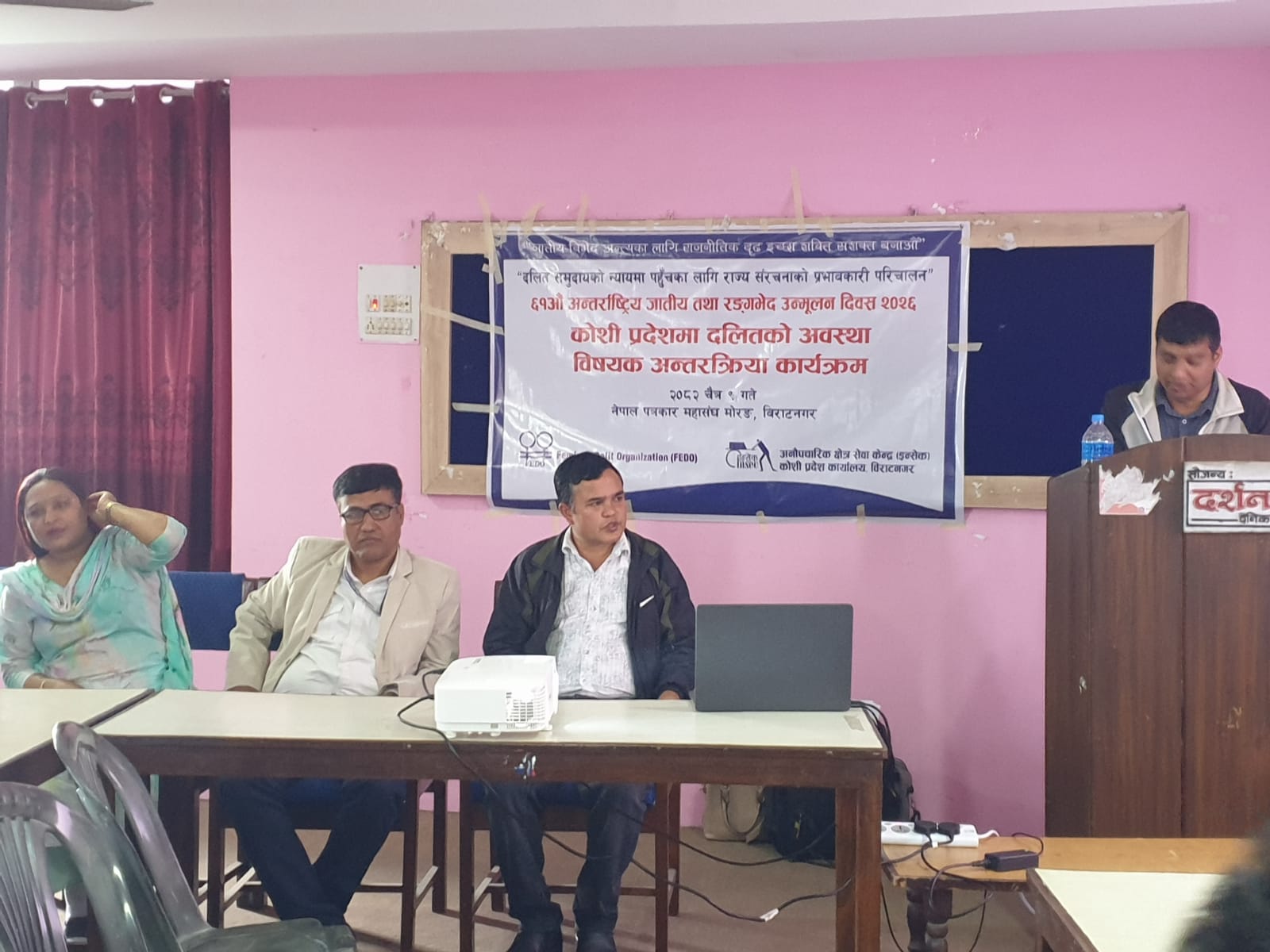
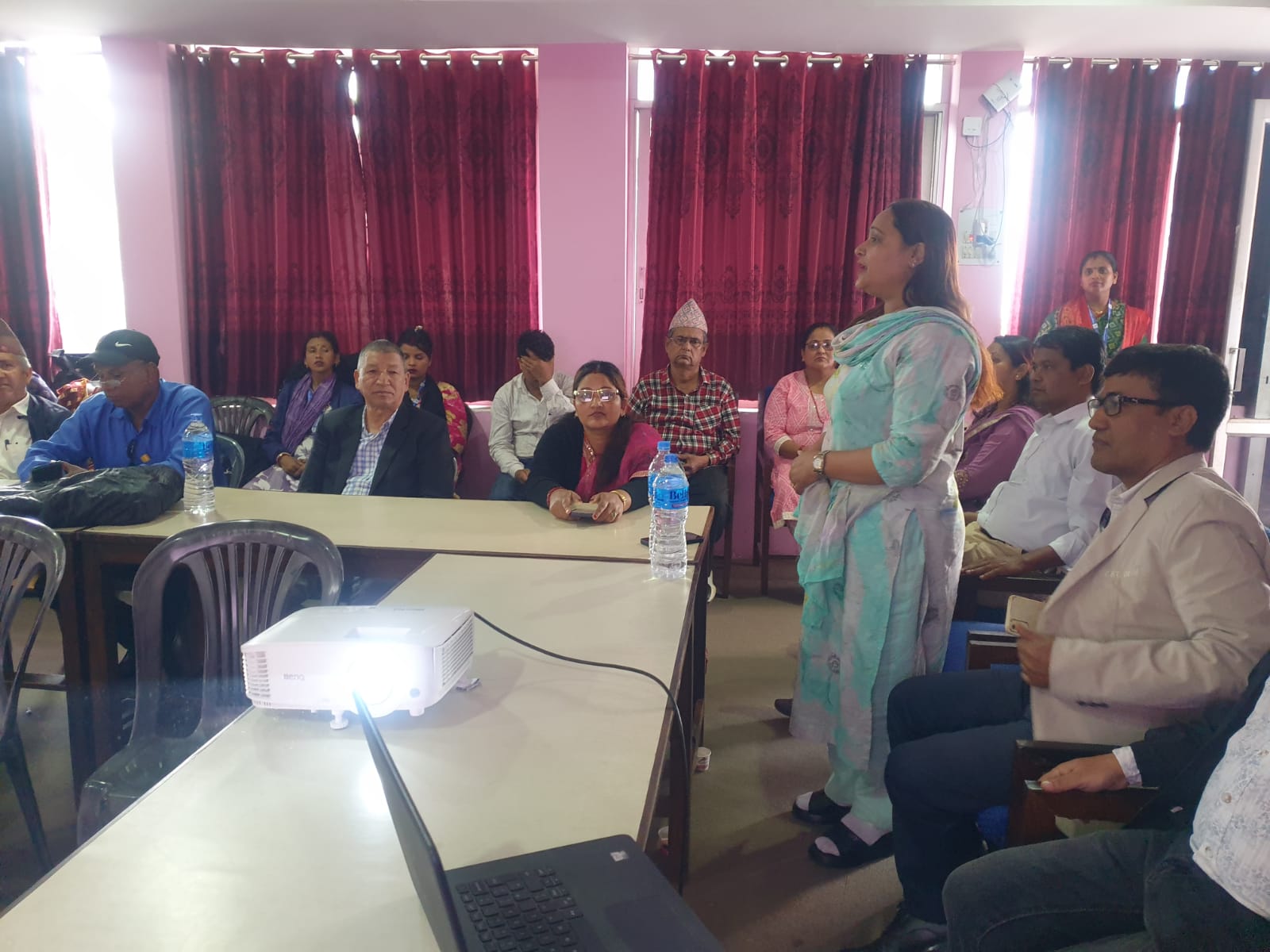
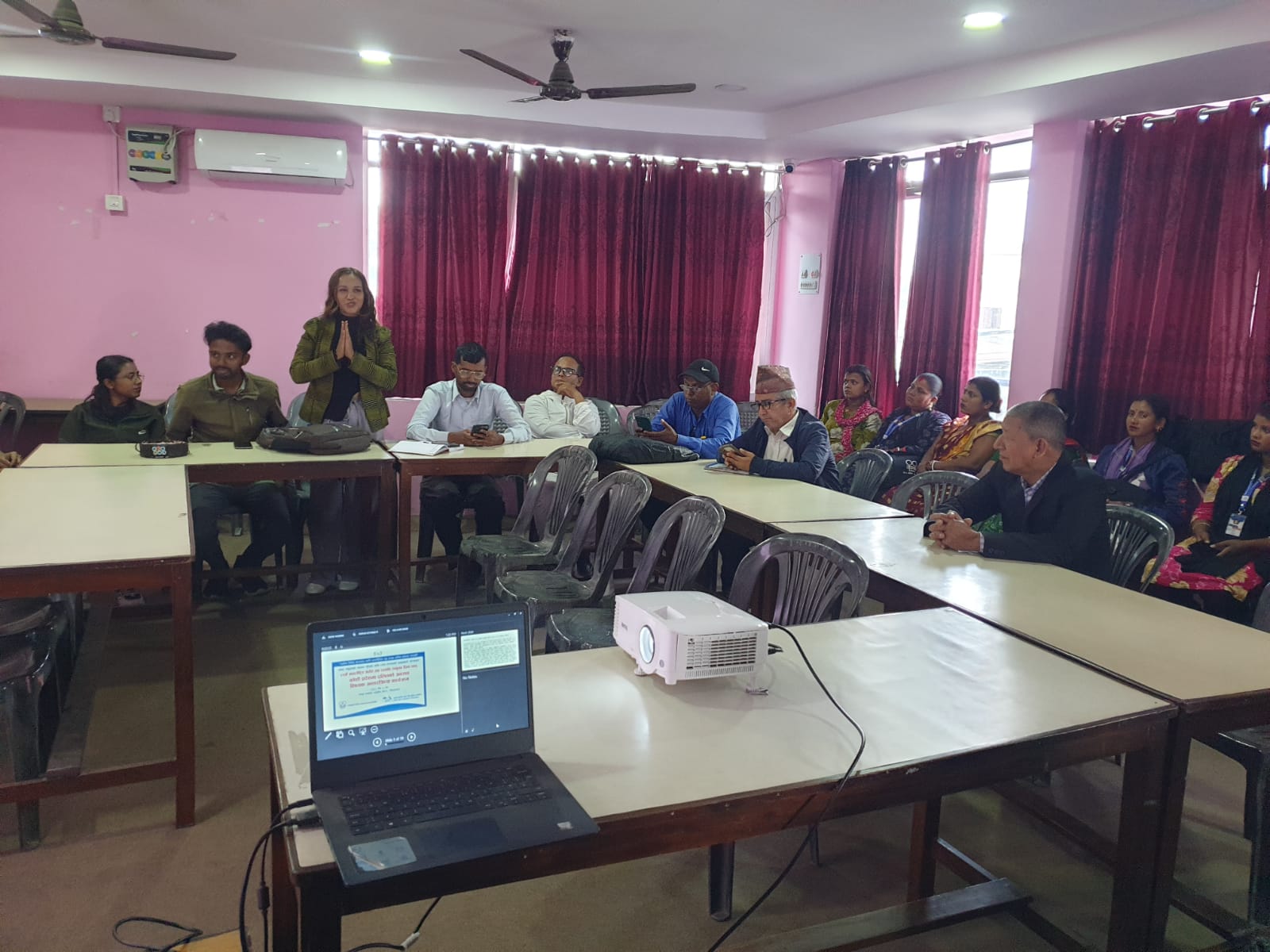
The Interaction Program on “The Situation of Dalits in Koshi Province” was successfully held on March 23 in Biratnagar, Morang, organized by the Informal Sector Service Center (INSEC) Koshi Province and the Dalit Women’s Association (FEDO).
The program was conducted in the context of the 61st International Day for the Elimination of Racial Discrimination, under the international slogan “Strengthen political will to end racial discrimination” and the national slogan “Effective mobilization of state structures for Dalit community’s access to justice,” with a comparative analysis of economic, social, and demographic conditions.
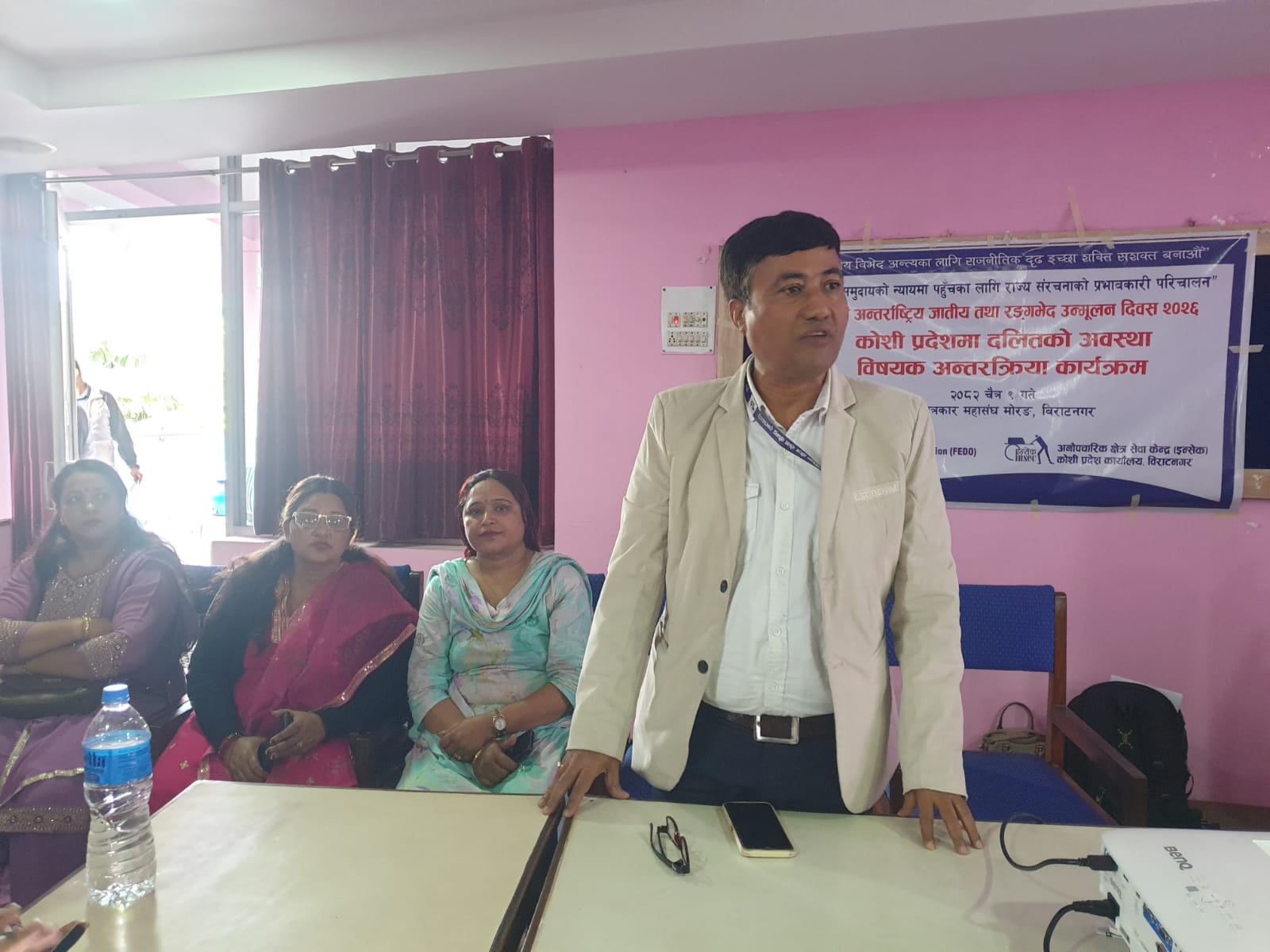
 At the program, INSEC Koshi Province Coordinator Manohar Kumar Pokharel stated that a comparative analysis of the social and economic conditions of Dalit and non-Dalit populations clearly reveals how society is trapped in the caste and varna system.
 On March 21, 1960, in Sharpeville, South Africa, the state killed 69 people during a peaceful protest against racial laws. In response to the global human community’s continuous alertness and solidarity against this massacre, the United Nations in 1966 adopted an international convention on the elimination of all forms of racial discrimination and declared March 21 as the International Day for the Elimination of Racial Discrimination.