
INSEC Online

Call for the Enactment of Laws to Ensure the Rights to Education and Health

Stakeholders have emphasized the need to enact necessary laws to ensure the effective implementation of the rights to education and health, and to guarantee citizens’ easy access to these rights in Karnali Province.

Speaking at a discussion programme on “Enacting Necessary Laws to Ensure the Rights to Education and Health,” jointly organized by INSEC Karnali Province Office and the Social Development Committee of the Karnali Provincial Assembly in Surkhet on June 24, participants stressed that the provincial government should prioritize the formulation of laws related to the implementation of fundamental rights.
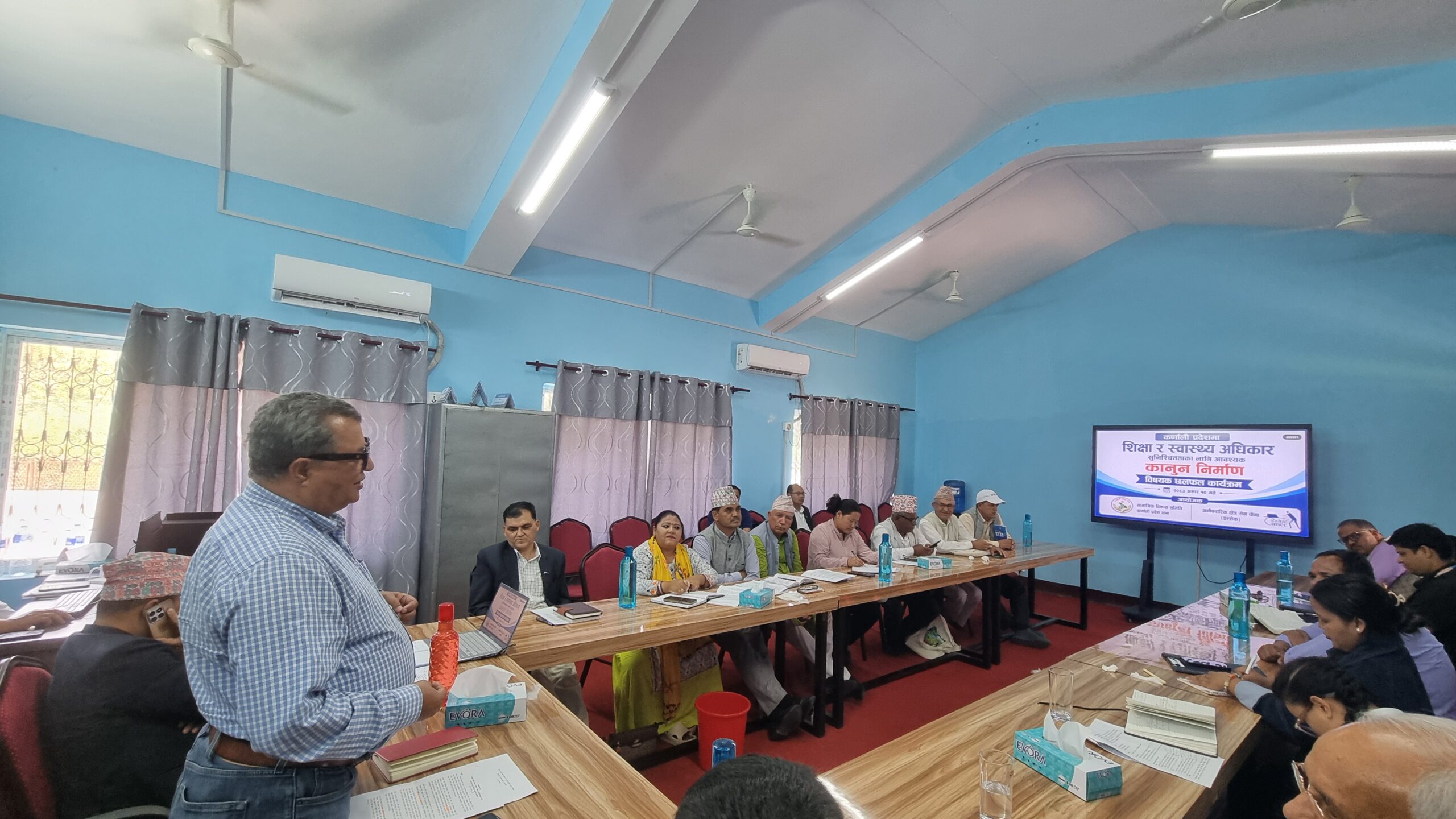
Speaking at the programme, Chairperson of the Social Development Committee Purna Bahadur Khatri stated that although the Constitution has established education and health as fundamental rights of citizens, the legal framework required for their full implementation remains incomplete. He expressed the committee’s commitment to advancing the process of enacting necessary provincial laws that address the needs and concerns of citizens.
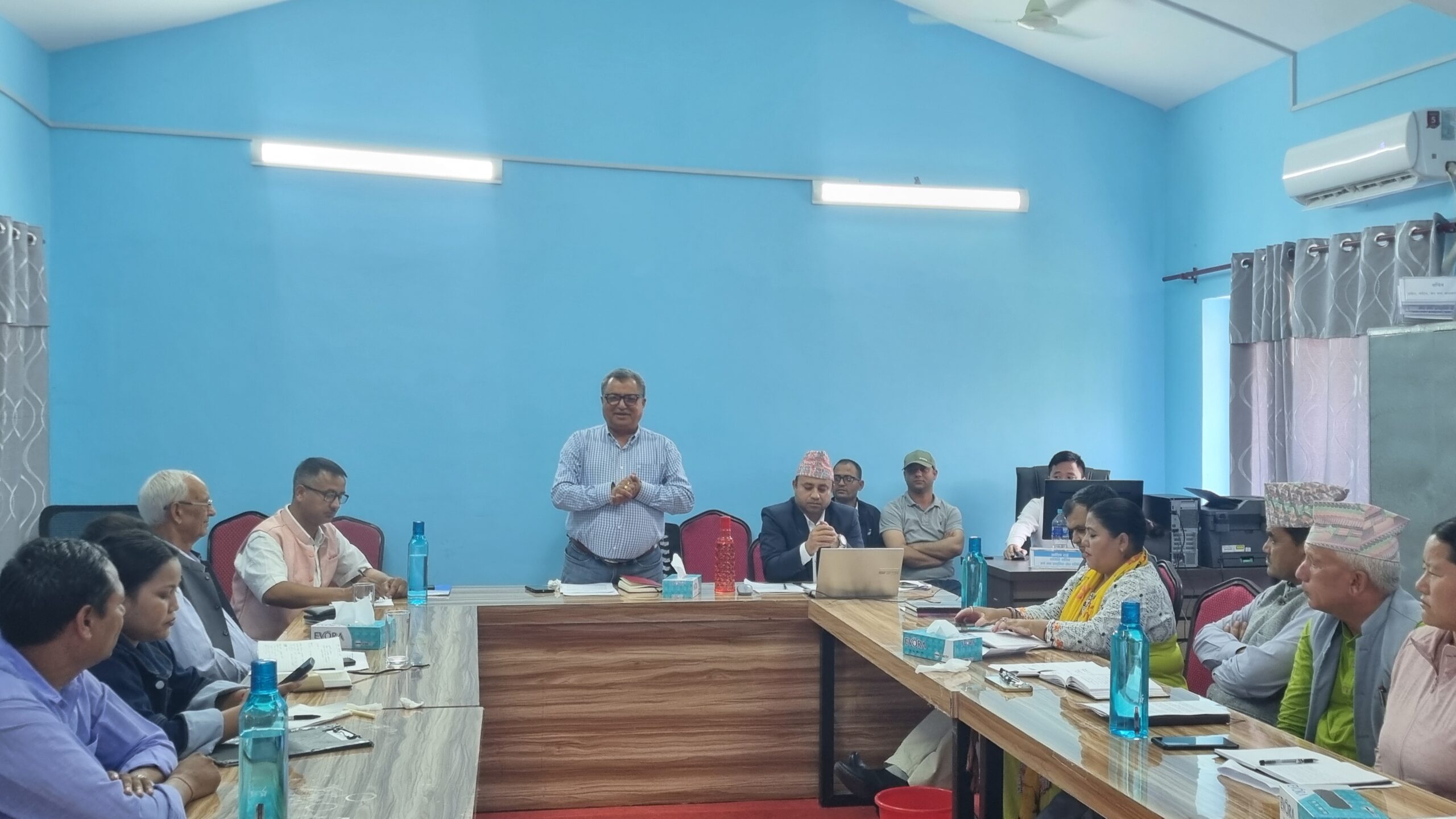
“Laws must be closely connected to the lives of citizens. To achieve this, the committee will seriously consider the recommendations of relevant stakeholders and civil society,” he said. “We will also provide necessary guidance and recommendations to the government.”

Speaking at the programme, Committee Member Ran Singh Pariyar noted that access to education and healthcare services remains a significant challenge in the remote settlements of Karnali. He stressed that, in addition to enacting laws, strong implementation mechanisms are essential to ensure these rights. He further emphasized that the provincial government should give special attention to making its policies, programmes, and budget rights-based.
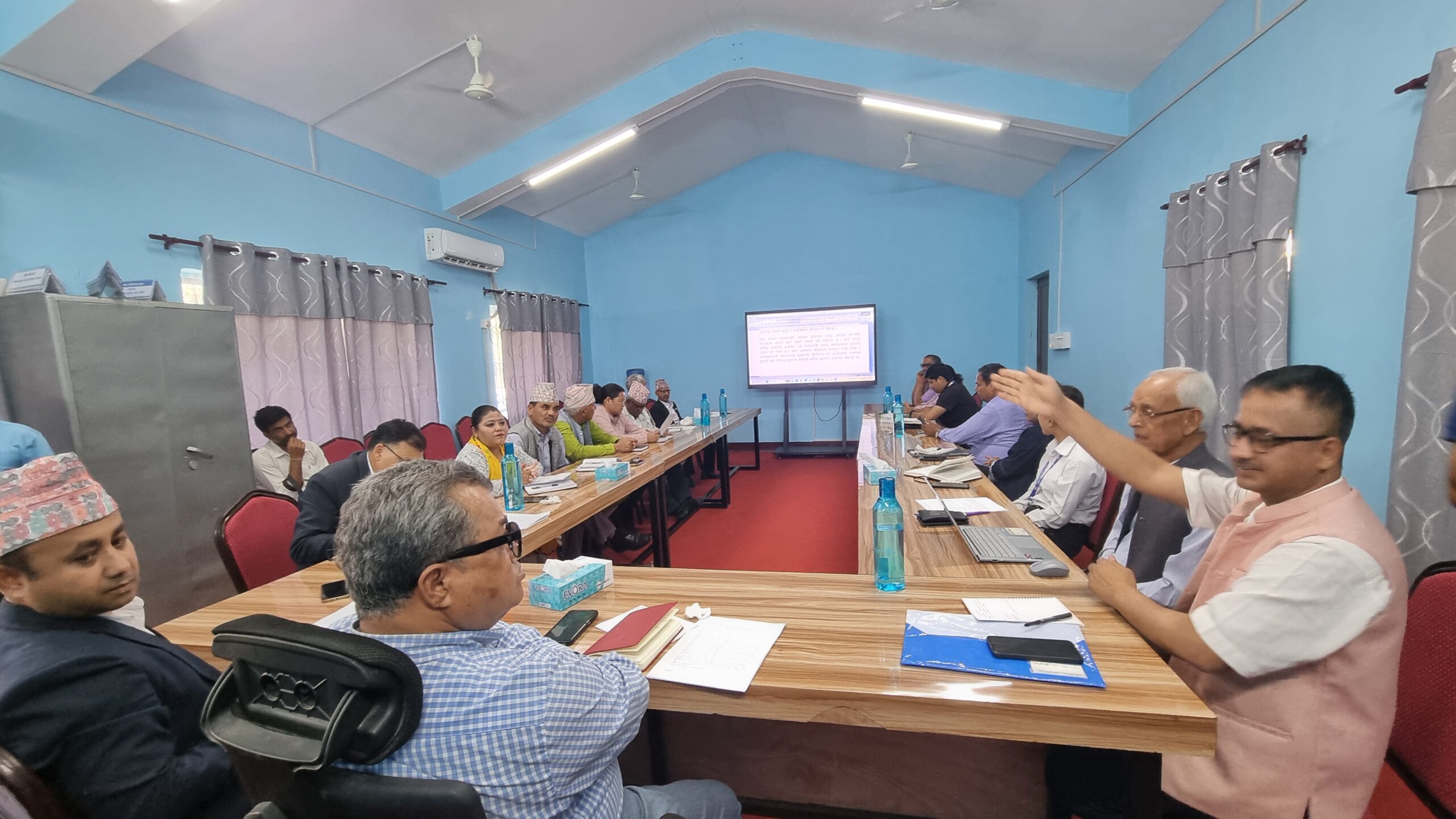
Provincial Assembly Secretary Dr. Arjun Kumar Khadka stated that clear and enforceable provincial laws are necessary to implement the fundamental rights guaranteed by the Constitution. He added that laws would be more effective if the legislative process meaningfully incorporated public participation and expert recommendations.

Secretary of the Social Development Committee Rajendra Paudel presented a working paper on the existing legal framework governing education and health, as well as the reforms required, noting that several legal gaps still exist in the province. He recalled that, in 2024, INSEC had conducted a study on existing policies and regulations, as well as the laws that still needed to be enacted. Based on that study and in accordance with the committee’s decision, the committee and INSEC jointly organized the discussion focusing on laws related to the education and health sectors. He added that the recommendations gathered from stakeholders would be compiled and utilized in the law-making process.

INSEC Karnali Province Office Coordinator Narayan Subedi stated that education and health are fundamental rights of every citizen and therefore require a robust legal framework to ensure their realization. He emphasized that, beyond enacting laws, equal importance must be given to their effective implementation, monitoring, and accountability. He further informed participants that a study report incorporating the key issues and recommendations raised during the discussion would be submitted to the committee.

Presenting the concept paper for the study, Coordinator of the Human Rights Defenders Network Karnali, Pitambar Dhakal, emphasized that laws related to fundamental rights should specifically address the needs and circumstances of marginalized and economically disadvantaged communities, Dalits, women, children, and people living in remote areas. “Citizens must remain at the center of the law-making process. Only then can the rights to education and health be meaningfully realized in practice,” he said.

Representatives of civil society participating in the discussion recommended that the proposed legal framework include provisions to improve the quality of schools and healthcare institutions in Karnali, ensure adequate human resources, expand services to remote areas, strengthen the effective implementation of the health insurance programme, and guarantee access to education and healthcare for persons with disabilities and other marginalized communities. They also urged the provincial government to institutionalize regular public consultations and strengthen citizen participation throughout the legislative process.

Based on the recommendations received during the programme, the Social Development Committee stated that it would take further initiatives to develop the necessary legal provisions related to the rights to education and health. Participants also stressed that, alongside the enactment of laws, effective implementation, adequate budget allocation, and continuous monitoring are essential to ensuring these rights in practice.

Karnali Province Office

Related Topic

Video