INSEC Online

Committed to Enforcing the Constitution and Laws to Protect Women’s Rights: Chairperson Magar

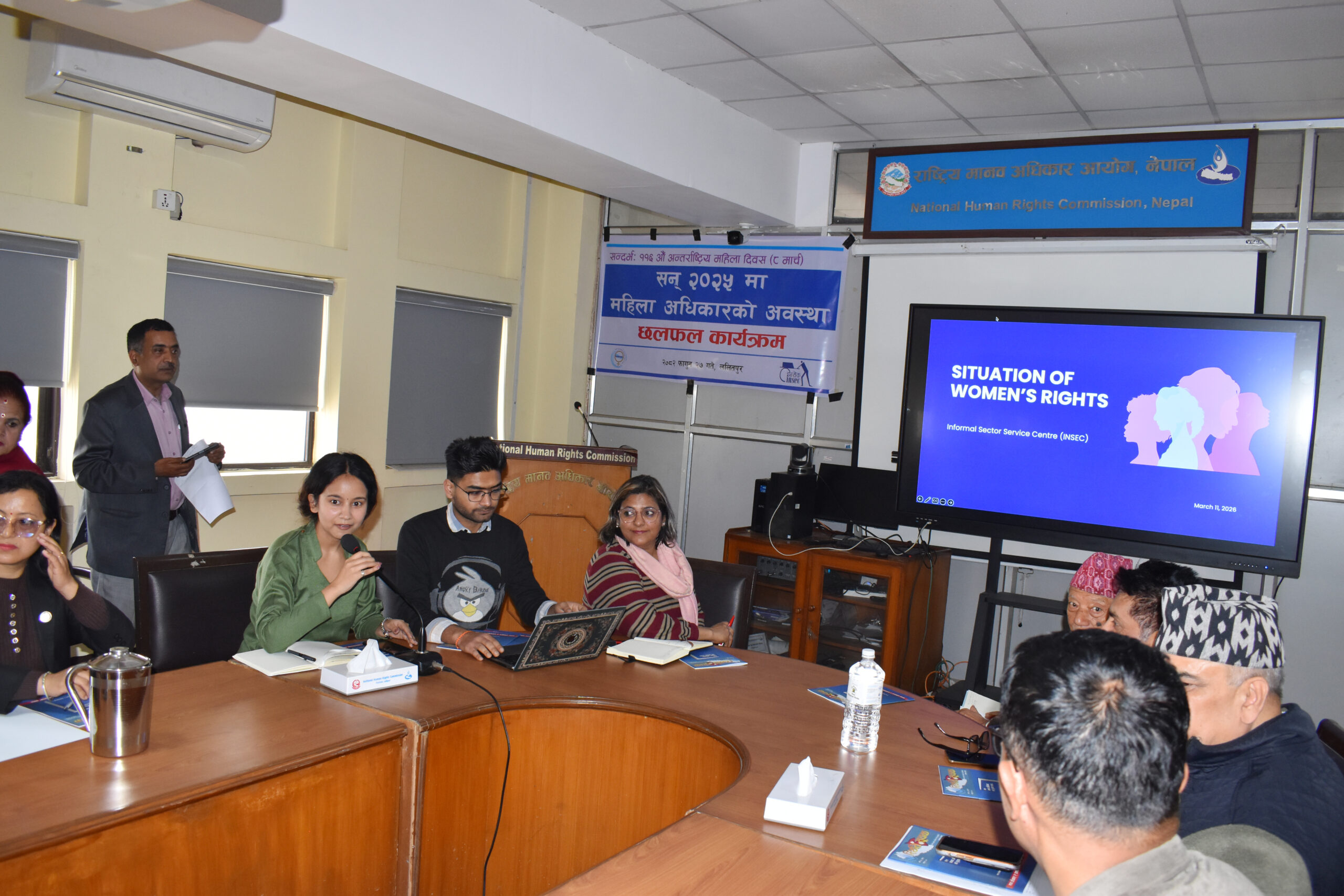
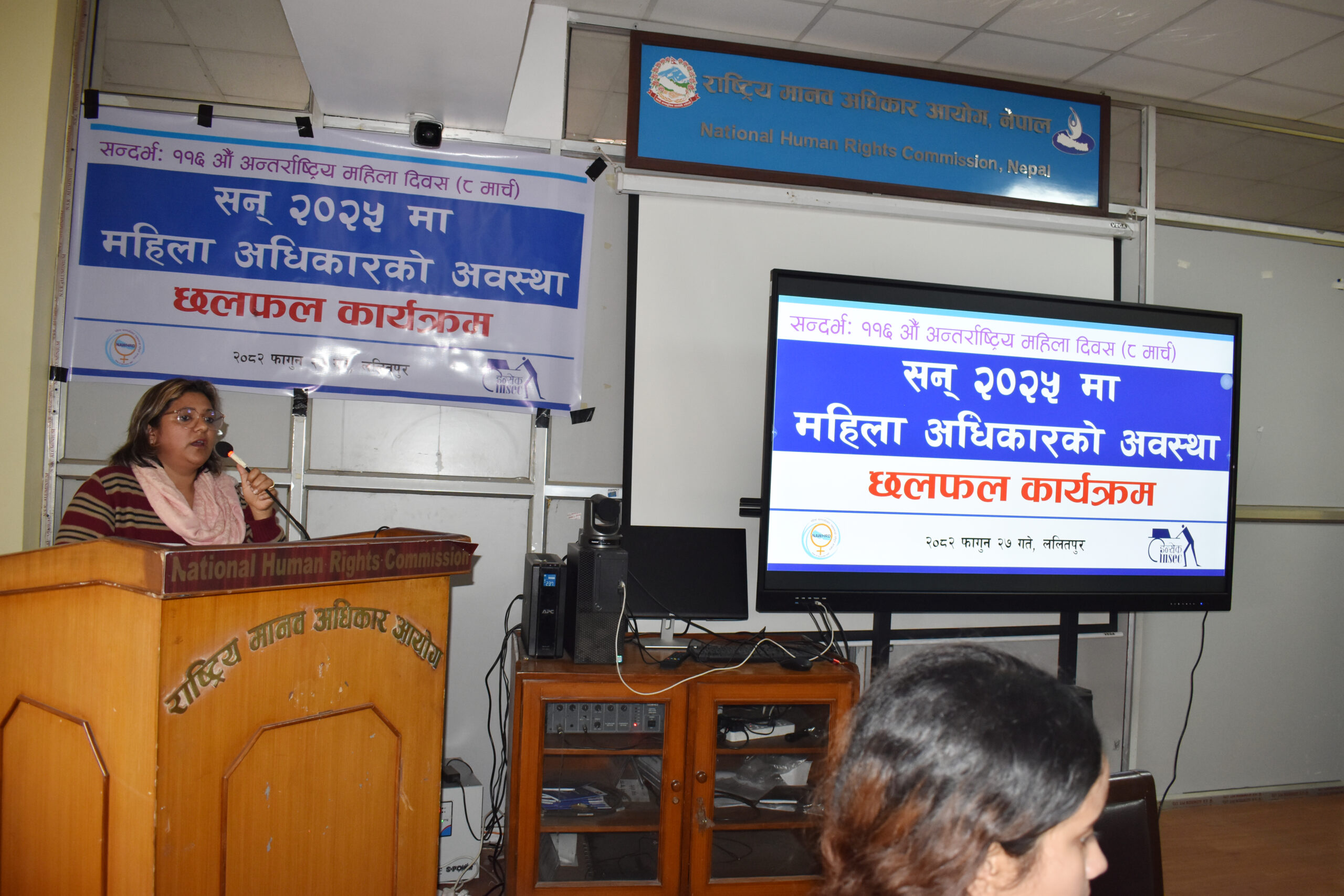
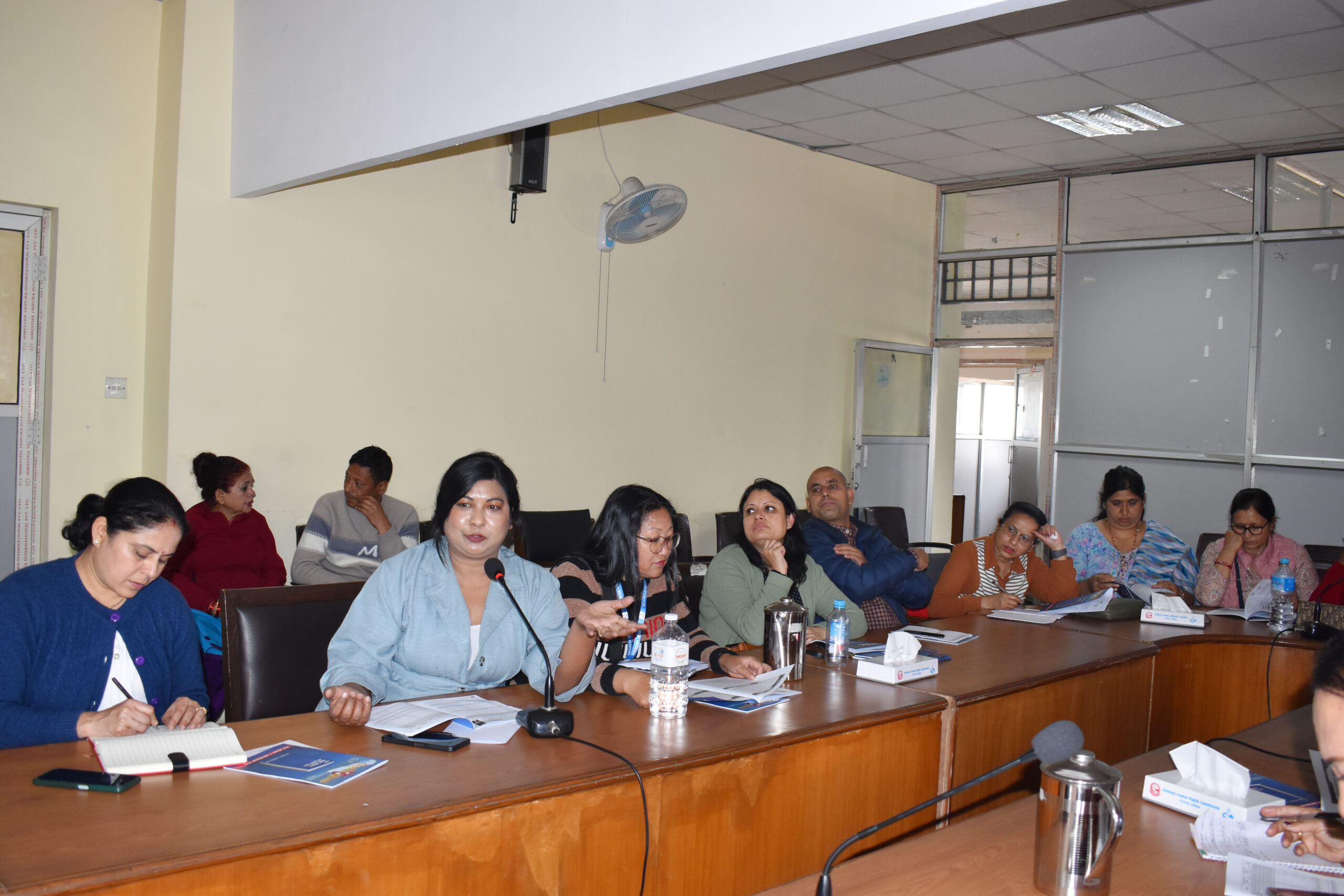
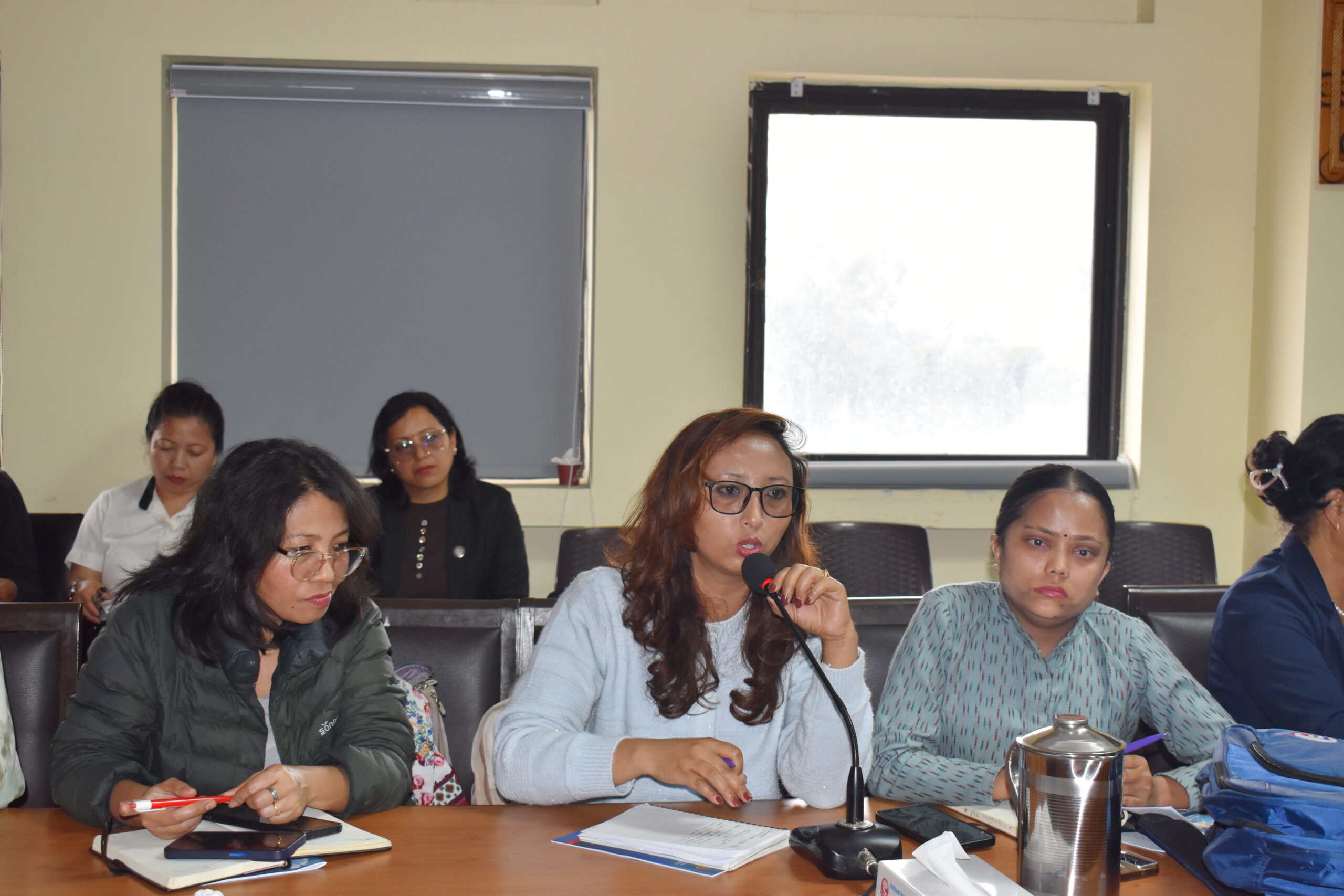
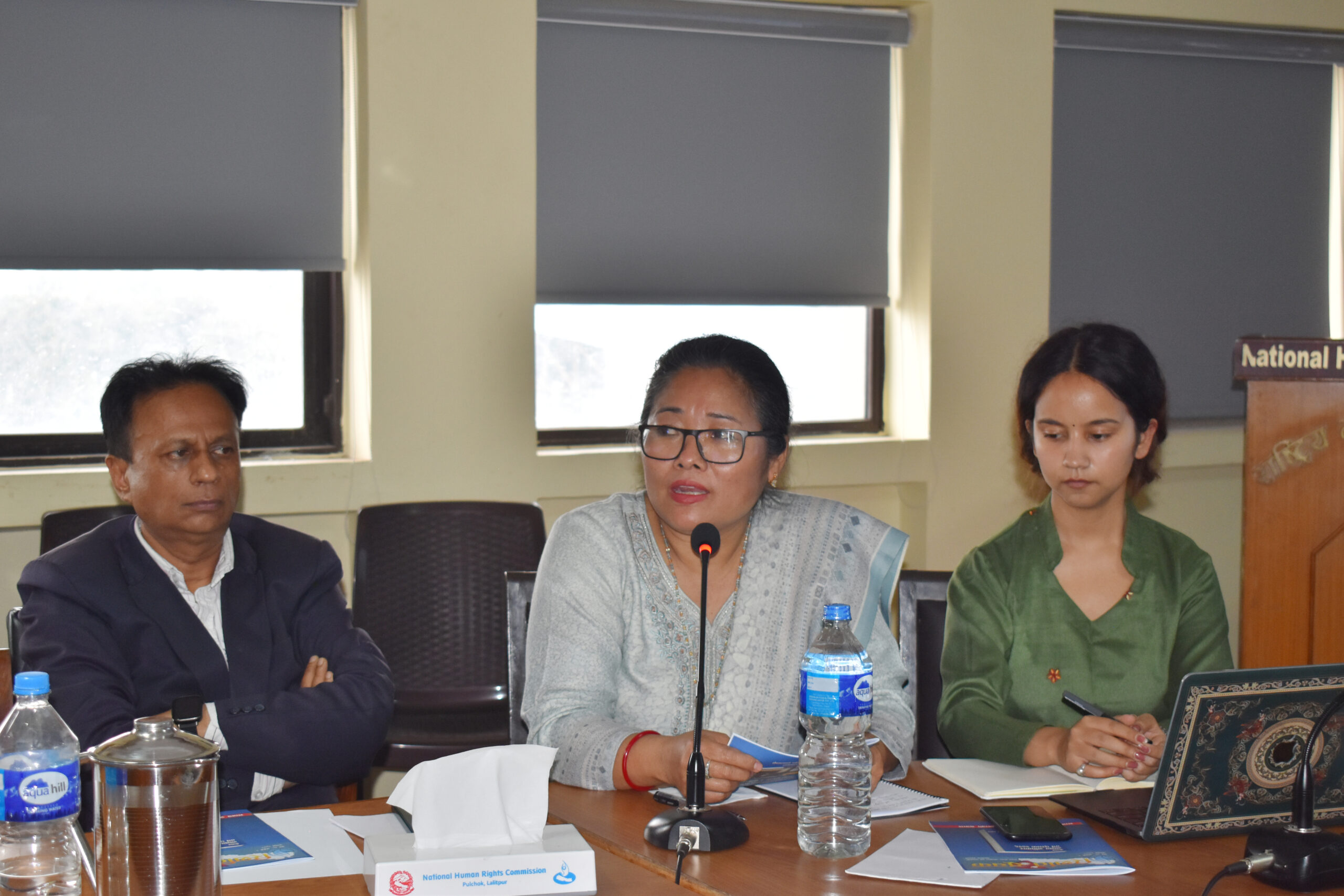
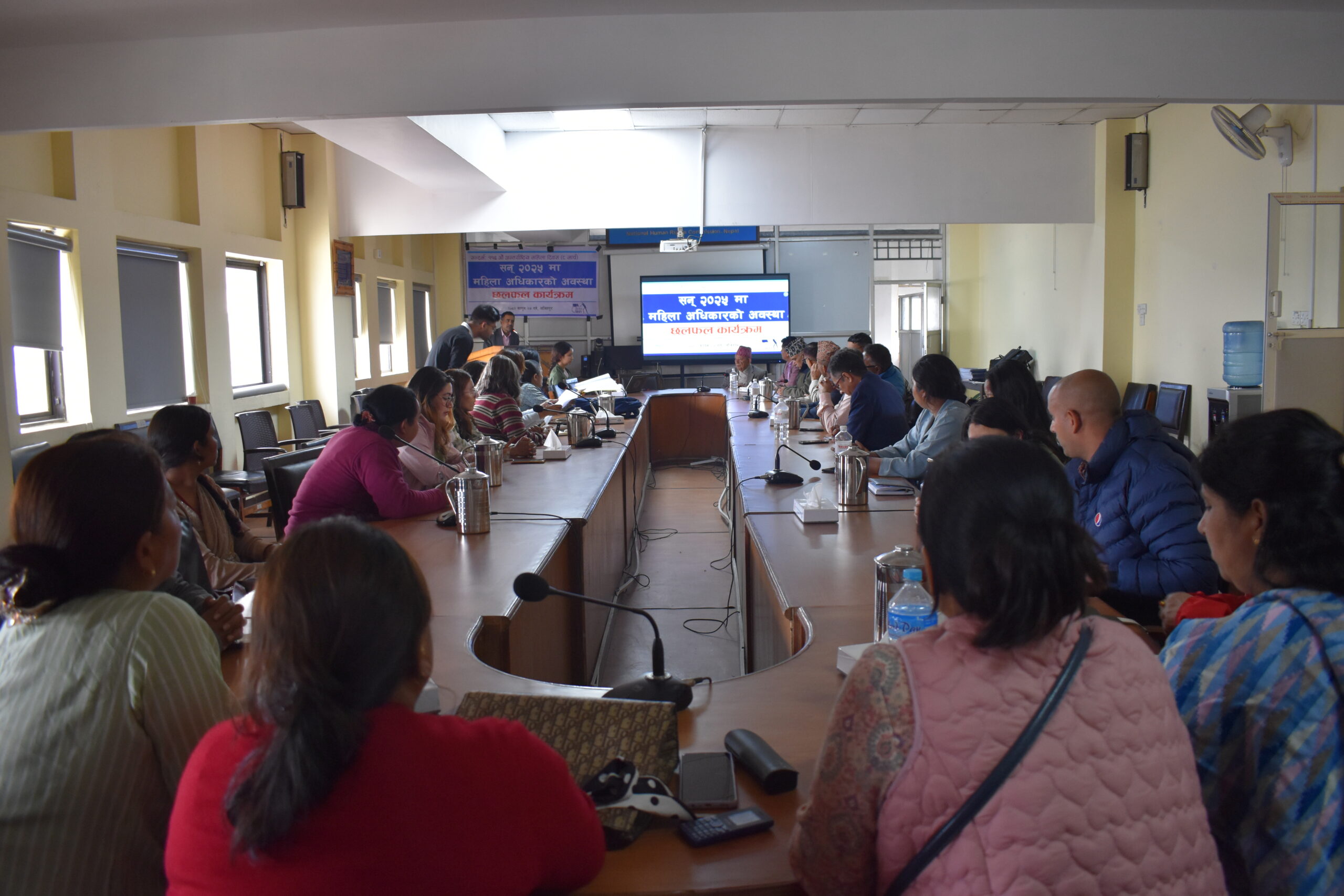
The discussion program on the state of women’s rights in 2025 was held on March 11. It was organized jointly by the Informal Sector Service Center (INSEC) and the National Network of Women Human Rights Defenders.

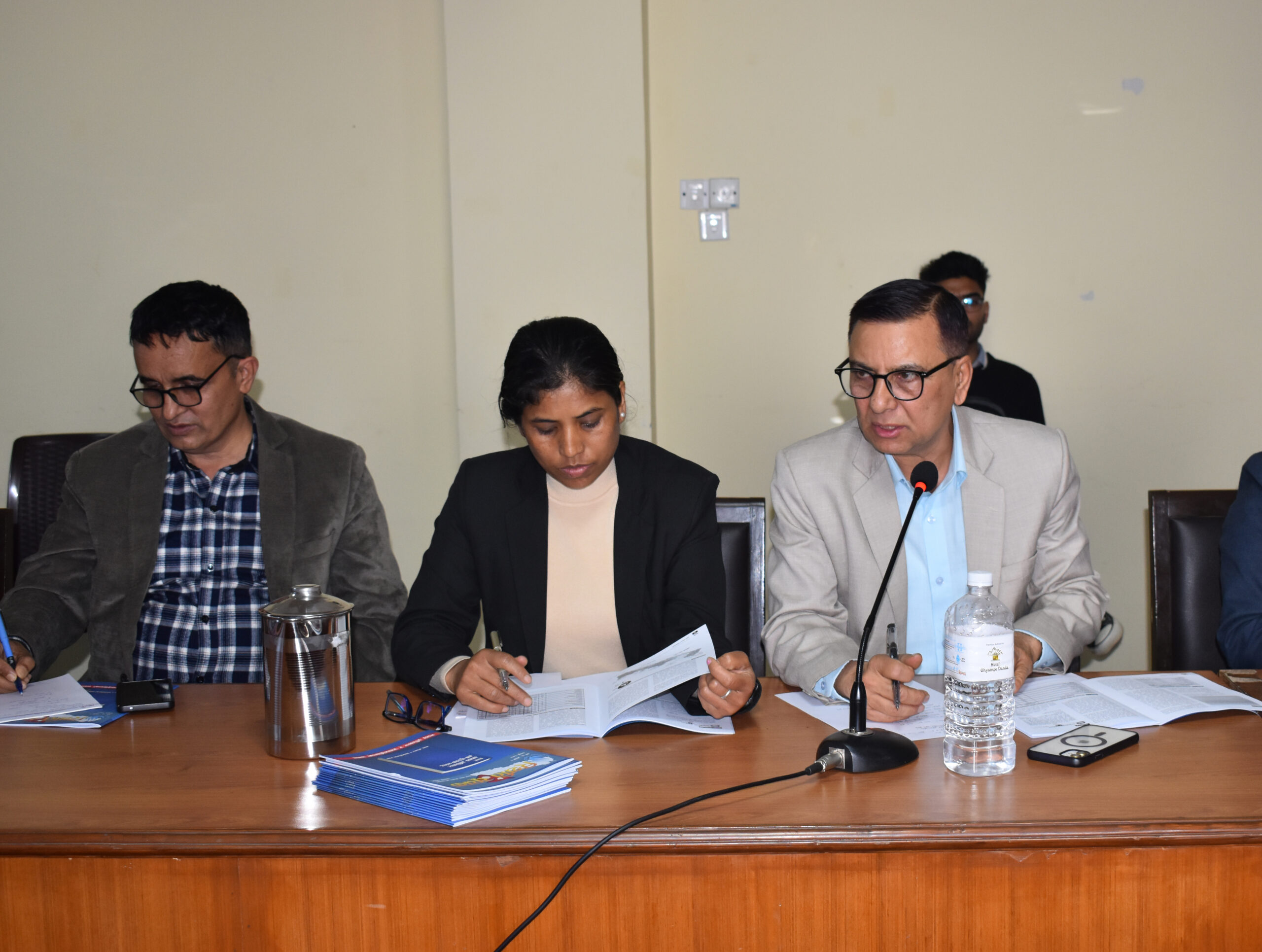
The Chairperson of the National Human Rights Commission, Tap Bahadur Magar, stated that the National Human Rights Commission is always committed to the practical application of the Constitution and laws for the protection of women’s human rights.
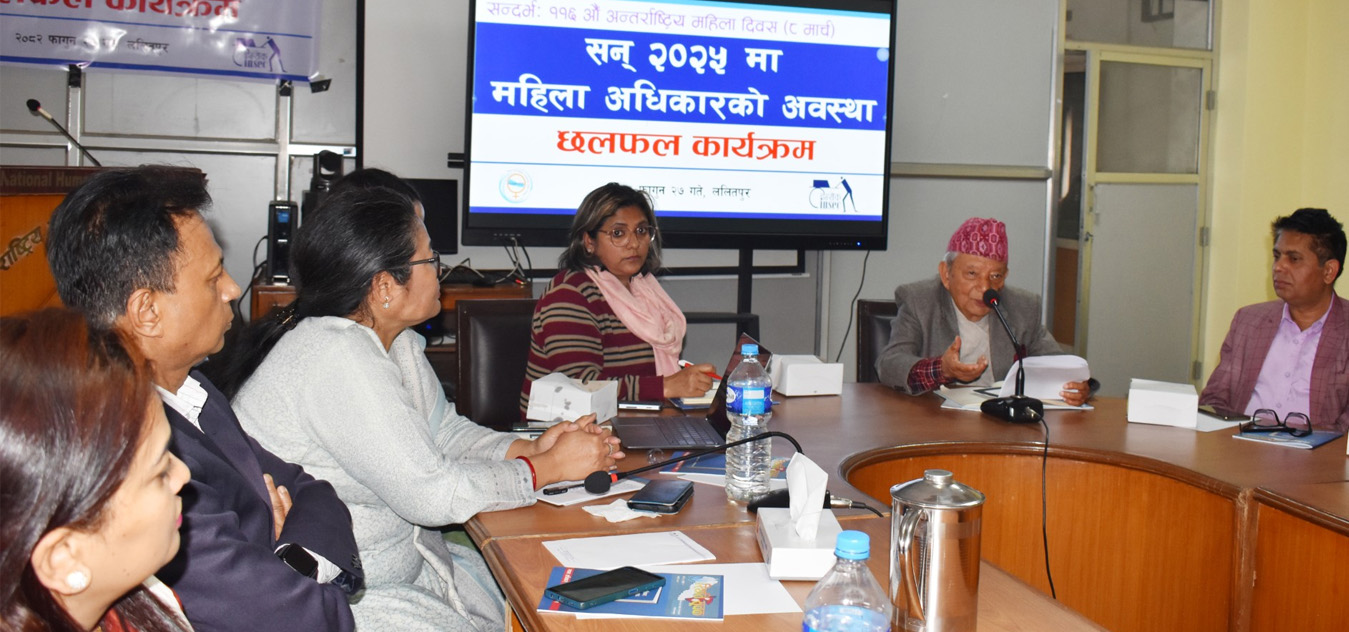
Chairperson Magar, recalling that the 116th International Women’s Day was celebrated on March 8 with the slogan “Rights, Justice, and Opportunities for All Women and Girls,” informed that the Commission has been continuously investigating and monitoring incidents of violations of women’s and girls’ human rights and making recommendations to the Government of Nepal.

He noted that out of 14,682 incidents reported across the country, only 24 cases have entered the legal domain according to the Commission’s records, pointing out that many gender- and sexual-based incidents against women involve family members or relatives, which is why they often do not reach the legal process.

He mentioned that in the Bajura district, there is a stream known as “Chaupadi Stream,” which reflects the negative aspects of social discrimination, and added that misuse of social media in cases of violence against women has increased challenges alongside technological development.

He further stated that while some countries worldwide restrict children from using social media, the Commission has been taking initiatives to hold the State accountable for reducing violence against women and children in Nepal.

INSEC and Forum Asia Chairperson, Bijay Raj Gautam, recalled that through INSEC’s human rights campaigns, including the publication of the Nepal Human Rights Yearbook, there is a tool to make the government accountable, and he added that many incidents of violence against women and gender-based violence in society are resolved through reconciliation, which also reduces the number of officially recorded statistics.
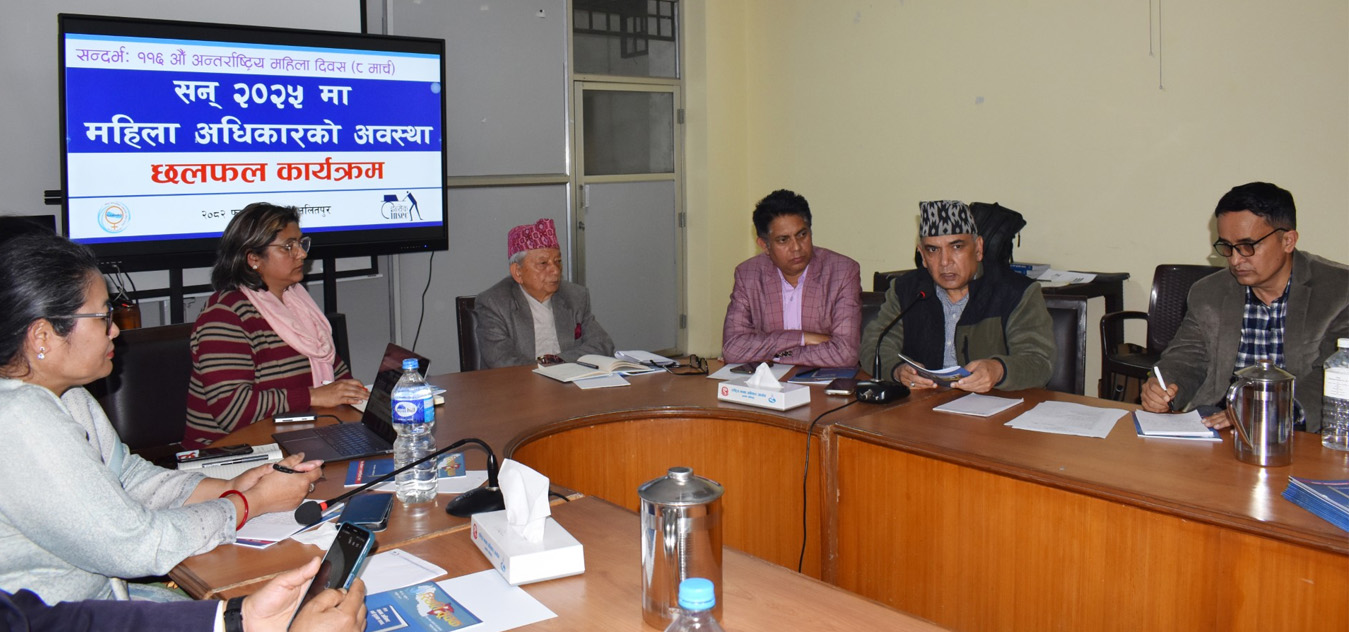
Bijay Raj Gautam, who also serves as the Chairperson of Forum Asia, highlighted that INSEC has been collaborating with the National Human Rights Commission to promote and develop human rights, emphasizing that the Commission’s recommendations need to be implemented to make the government accountable.
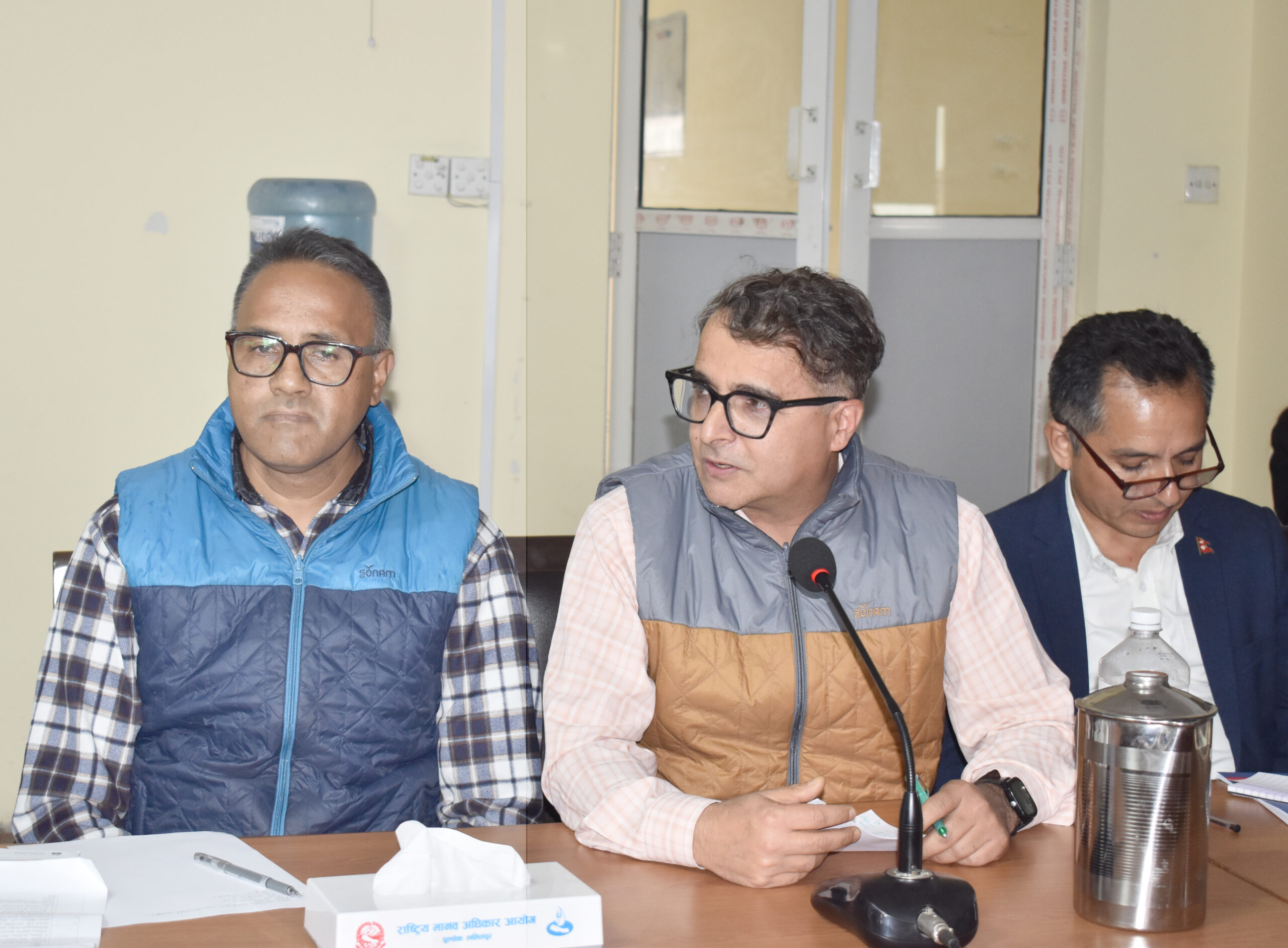
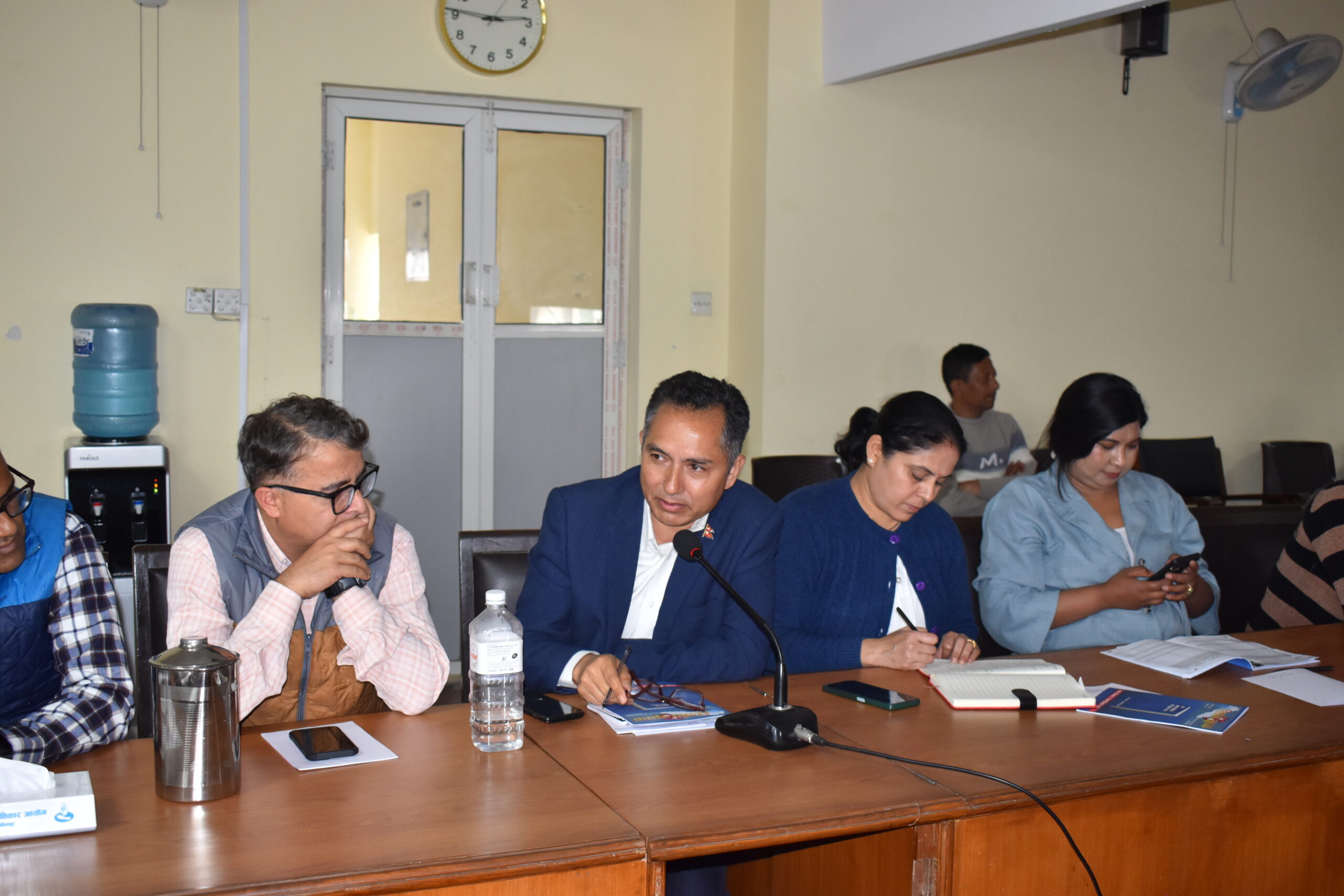
Murari Prasad Kharel, Secretary of the National Human Rights Commission, stated that data and information form the primary basis for policy-making, noting that the Commission analyzes the human rights and abuse incidents collected and documented by INSEC and makes recommendations to the government accordingly. He emphasized that everyone should perform their roles and responsibilities to raise awareness and consciousness within communities.

Madan Paudel, Director of INSEC, recalled that the Nepal Human Rights Yearbook includes information from representatives in all 77 districts, provincial offices, and the central office regarding incidents of violence and abuse reported to the police or filed in courts. He requested that communities continue to inform INSEC about incidents where women have suffered due to not bringing dowry, the practice of Chaupadi, leading to loss of life, or abuse through social media (digital platforms).

Facilitating the program, INSEC Bagmati Province Coordinator Shiva Prasad Khakurel, recalled that women face various challenges, particularly domestic violence, human trafficking, child marriage, digital violence, sexual violence, rape, and social discrimination. He noted that economic inequality, low political participation, impunity, and lack of access to justice have created challenges in the enjoyment of human rights for women and girls.

Benumaya Gurung from ATWIN highlighted the need for awareness to develop equal participation and a discrimination-free mindset. She emphasized that ensuring women’s rights should not be understood as an attempt to reduce men’s rights, but rather as fostering resources, perspectives, and positive practices for good governance and societal development.

Sushila Chaudhary, Deputy Secretary of the Patan High Court Bar Association, pointed out the weaknesses in the implementation of Nepal’s Constitution and laws. She noted that the pains experienced by children going to school from home, and incidents where women and children were victimized by teachers, family, or relatives, indicate the need for collective efforts to reduce gender- and caste-based discrimination within communities.

Dipendra Bahadur Singh of the National Human Rights Commission observed that the accessibility of human rights defenders in remote areas affects the documentation of human rights violations and abuse. He emphasized the need to expand and develop networks of defenders down to the community level to create an environment where victims or those close to them can safely report incidents.

At the program, Shanti Tiwari, a member of the National Network of Women Human Rights Defenders, discussed the compelling need to hold the State accountable for rights guaranteed by the Constitution that have not been realized. She emphasized that, due to the lack of proper recognition and protection of women’s labor, there must be collective efforts for capacity building, recognition, and empowerment.

Garima Bista, from INSEC’s Human Rights Documentation Department, presented on the state of women’s rights in 2025 under Nepal’s Constitution, highlighting issues such as safe motherhood and reproductive health. She provided information on incidents of violence and discrimination against women based on the data included in the Nepal Human Rights Yearbook 2026.

She presented data showing that among the seven provinces of the country, the highest number of women victims in 2025 was in Madhesh Province, with 1,580 women affected. She noted that incidents such as cybercrime and sexual violence have increased, highlighting challenges in law enforcement.

She further shared that INSEC recorded 1,356 victims in Lumbini Province, 640 in Koshi Province, 620 in Bagmati Province, 609 in Sudurpaschim Province, 416 in Gandaki Province, and 409 in Karnali Province.

Barsha Luitel, a member of the National Network of Women Human Rights Defenders, recalled that incidents in society that stigmatize women reflect the state of women in the country. She emphasized that the program was important for drawing the State’s attention through a broad discussion on the state of women’s rights in 2025.

She highlighted the need to raise voices boldly rather than in a small, timid manner through social media and cautioned against narratives claiming “everyone else is wrong, only we are right.” She stressed the importance of developing civic awareness and moral education, teaching children to speak with respect in families, society, and the State, alongside responsibility.

The National Human Rights Commission has drawn the Government of Nepal’s attention to removing existing structural obstacles to equal justice and eliminating harmful social practices and negative societal norms.

Prakash Khatiwada of the “Balika Duli Hoinan” (Girls Are Not Brides) National Network Nepal emphasized that, despite the implementation of Nepal’s Constitution and the 16th Five-Year Plan, child marriage incidents continue. He highlighted the need for programs that provide information on effective awareness and advocacy by the State and NGOs, and also on promoting change in patriarchal attitudes through the involvement of responsible and conscious men to reduce gender-based violence.

Sunita Lama, representing sexual and minority communities, emphasized that the Nepal Human Rights Yearbook 2025 should clearly indicate whether incidents of gender-based violence include accurate data on sexual and minority communities.

Advocate Nanichhori Maharjan raised questions about the ability of women survivors of violence to express their pain and experiences within public and social accountability spaces.

Sarina BK from the Shakti Group discussed that, in Nepal, women from the Dalit community face even greater discrimination. She highlighted that, alongside caste-based untouchability, incidents of abuse based on ethnicity and language often go unrecorded.

Actress Radha Giri emphasized the need to reveal the hidden aspects of the suffering experienced by women in the entertainment and hospitality sectors, in addition to the visible hardships they face.

Advocate Pavitra Ale Magar noted that women from indigenous communities are disproportionately affected by incidents of violence, highlighting the need to raise awareness to reduce domestic violence.

Madhu Gurung, Executive Chairperson of Bishwas Nepal, stressed that the increase in gender-based violence underscores the need for the State to foster greater awareness within communities.

Deepak Prasad Ghimire

Related Topic

Video