
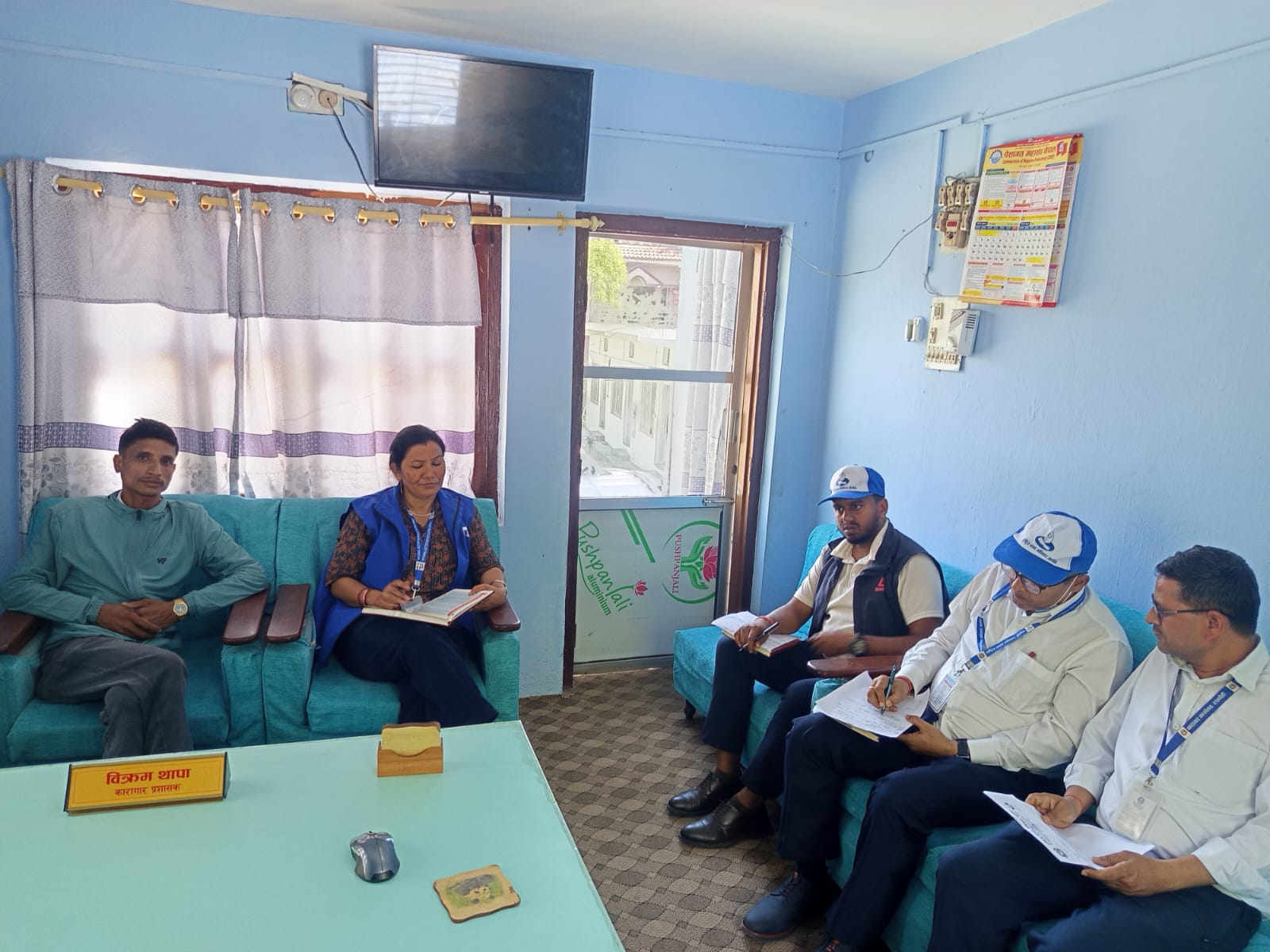
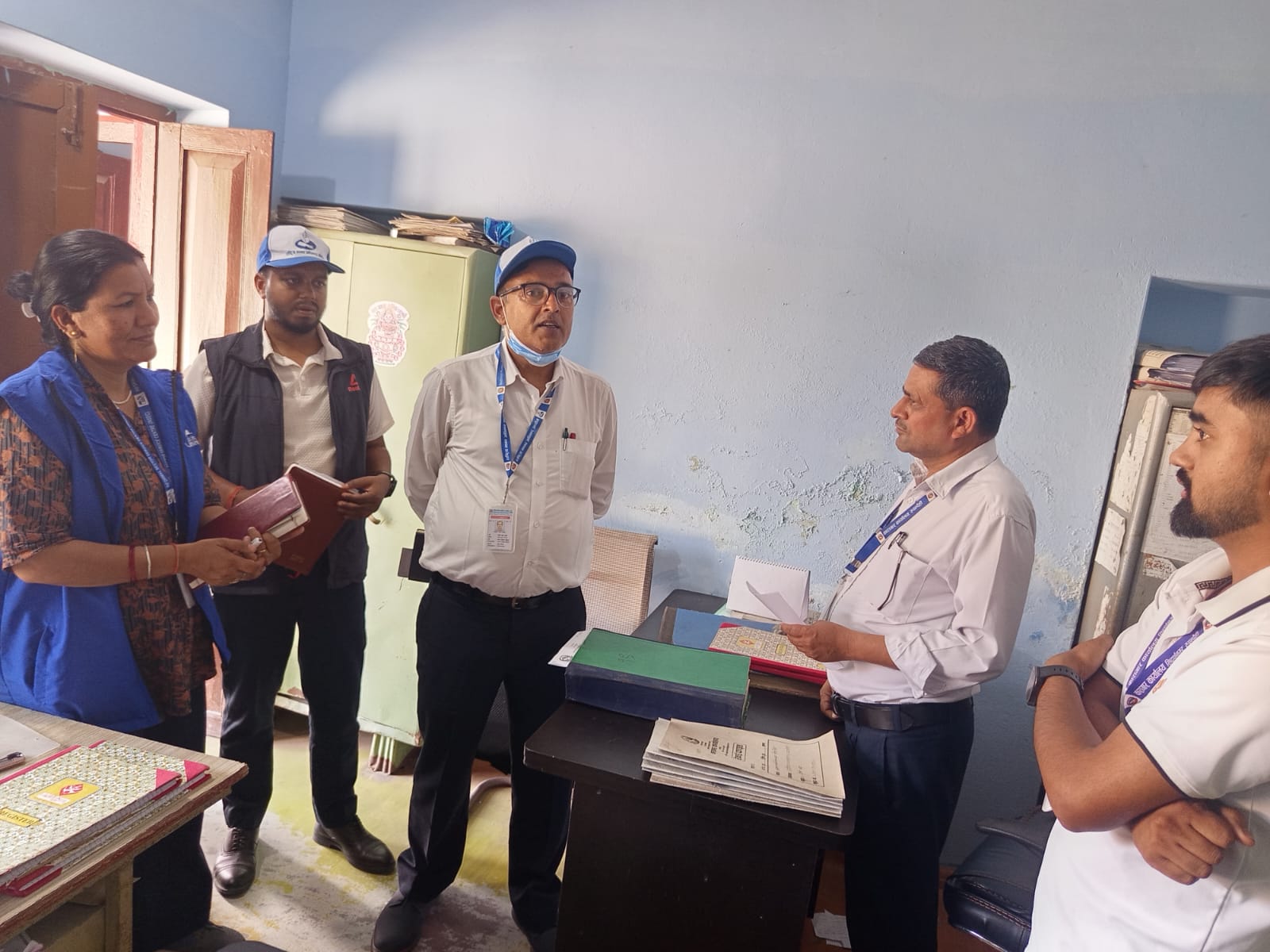
A joint team from the National Human Rights Commission and INSEC Rupandehi conducted a monitoring visit to Bhairahawa Jail on April 5.
The team, including Rima BC from INSEC Rupandehi and human rights officers Ajit Thakur, Kumar Thakur, and Raj Narayan Kohar from the National Human Rights Commission, Lumbini Province, carried out an on-site assessment of the conditions of inmates as well as the living conditions of the security personnel at the district prison.
The age of inmates ranges from 19 to 71 years. Among them, the largest groups are 166 imprisoned for drug-related cases, 118 for rape, 83 for culpable homicide, 68 for theft, 55 for traffic-related deaths, 10 for killing, five for human trafficking and smuggling, and five for kidnapping and hostage-taking.
The overcrowding has led to increasing health issues within the prison. Nearly 20% of inmates suffer from skin-related diseases, six have mental illnesses, one has tuberculosis, 126 have partial tuberculosis, and two are diagnosed with hepatitis C.
Inmates reported having to take turns for sleeping, using toilets, and bathing. Many also said they had to pay for their own medical treatment due to inadequate health services.
Bijay Kumar Haluwai, the prison information officer, stated that despite limited resources, efforts are being made to improve prison management. He noted that keeping more inmates than the official capacity has become a necessity.
The monitoring team reported that efforts are being made to provide basic facilities within the prison. Inmates are provided with 700 grams of rice and Rs. 80 per day per person. Their rights to meet relatives, access case-related information, and retain legal counsel are ensured. Additionally, two sets of clothing are provided each year, and bedding and festival allowances are given once every two years.
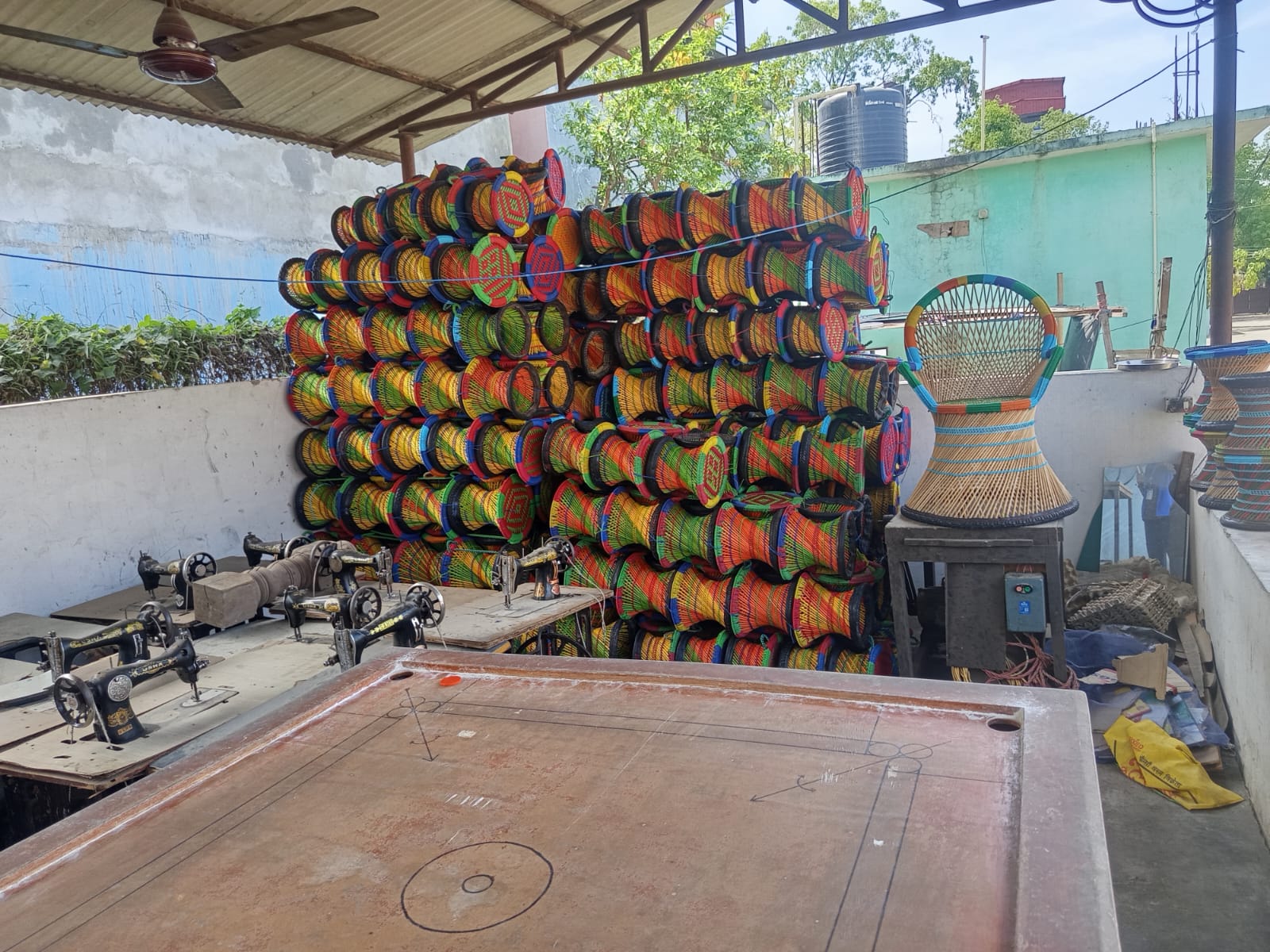
Under the skills development program, 77 inmates are receiving training in mat weaving, and 20 are learning sewing and tailoring.
Meanwhile, the monitoring also found that the barracks for security personnel are in poor and hazardous condition, with structures made of tin sheets being weak and in need of repair.
Human rights defenders drew the attention of the relevant authorities to the prison’s overcrowding, inadequate health services, and the need for infrastructure improvement.